Daily Life in Cobble Hill Brooklyn Brownstone Homes
February 19, 2026
February 19, 2026
You picture a classic Brooklyn stoop, leafy streets and a short walk to a great coffee. If that image speaks to you, Cobble Hill brownstones might be your sweet spot. You get historic character, a compact neighborhood feel and daily convenience that makes city living simple. In this guide, you’ll see how the homes are laid out, what daily life looks like, how you get around, and what to know before you buy or sell. Let’s dive in.
Cobble Hill is a small, historic neighborhood in northwestern Brooklyn with a clear sense of place. Common boundary descriptions put it between Atlantic Avenue to the north, Hicks Street and the BQE to the west, Court Street to the east and Degraw Street to the south, though you will see minor variations on local maps. Much of the area sits inside a designated historic district, first established in 1969 and extended later, which shapes what you can change on building exteriors and helps preserve values over time. You can read more about the neighborhood’s footprint and designation on the Cobble Hill overview and the local association’s history page.
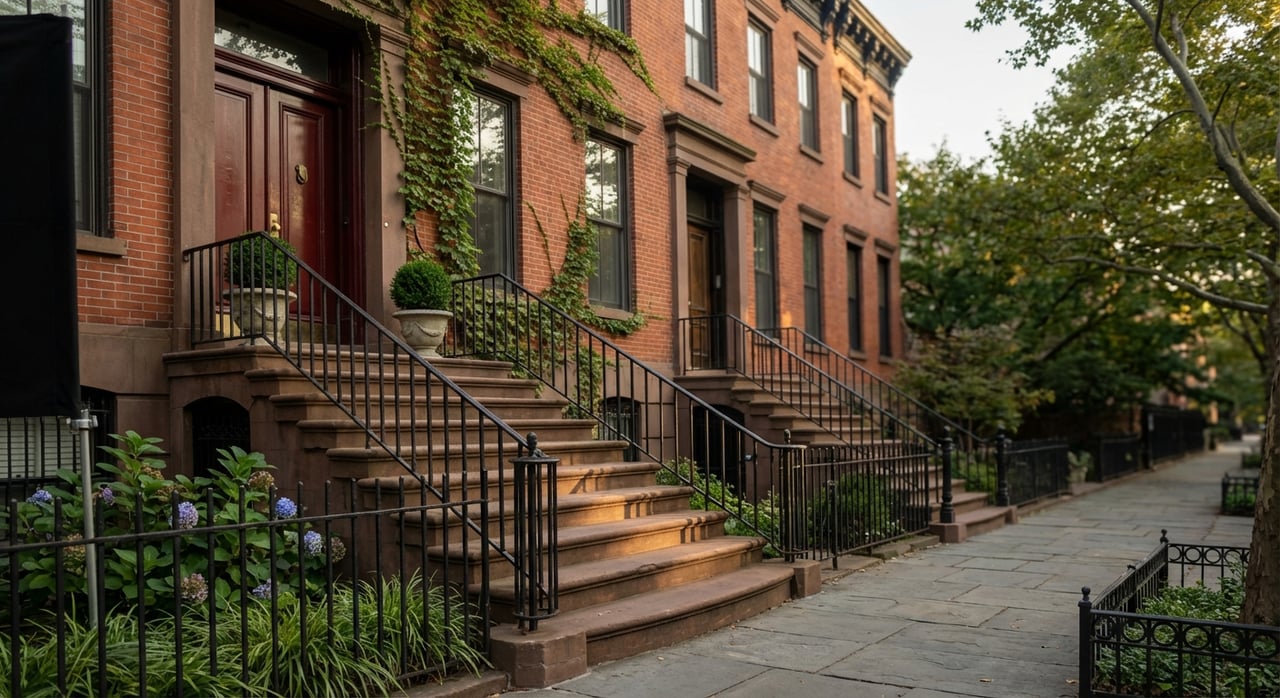
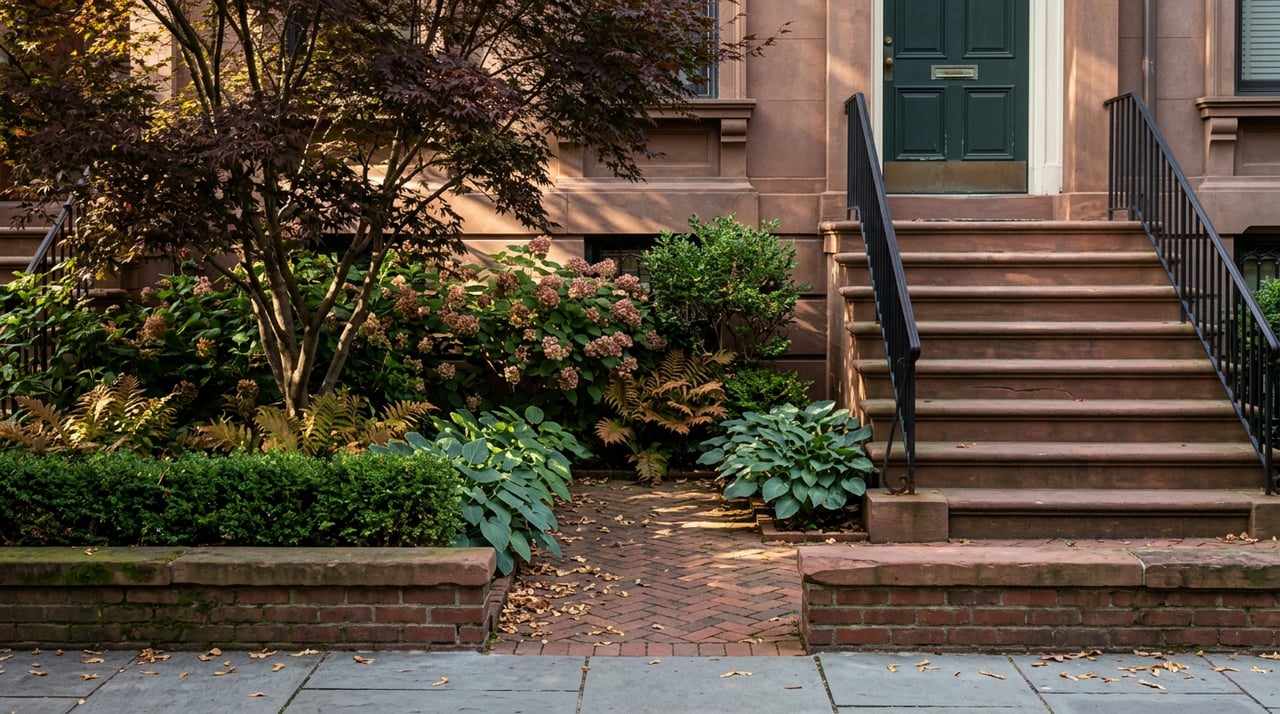
What you sense first on the ground are the quiet, tree-lined blocks and short distances to daily errands. Court Street and Smith Street anchor local retail and dining, and Cobble Hill Park gives the center of the neighborhood a calm, communal core. The rhythm is walk-first and neighborly, with stoops, small front gardens, and short blocks encouraging casual conversations.
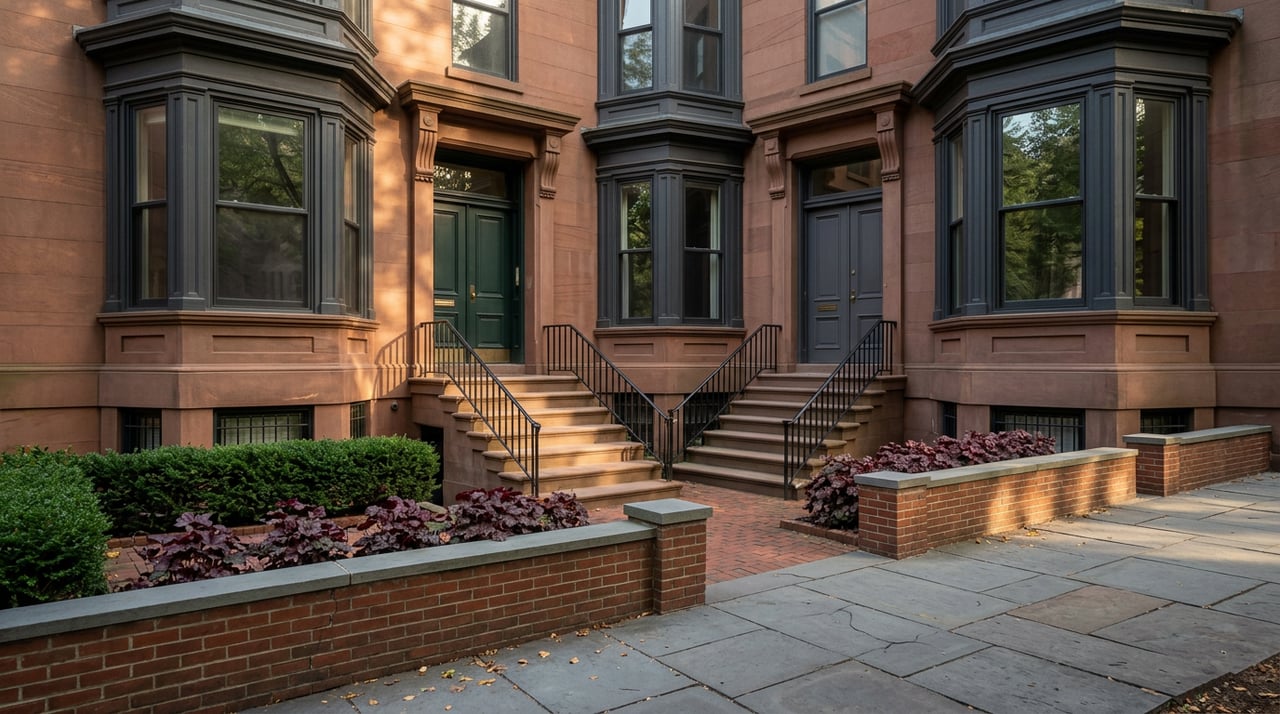
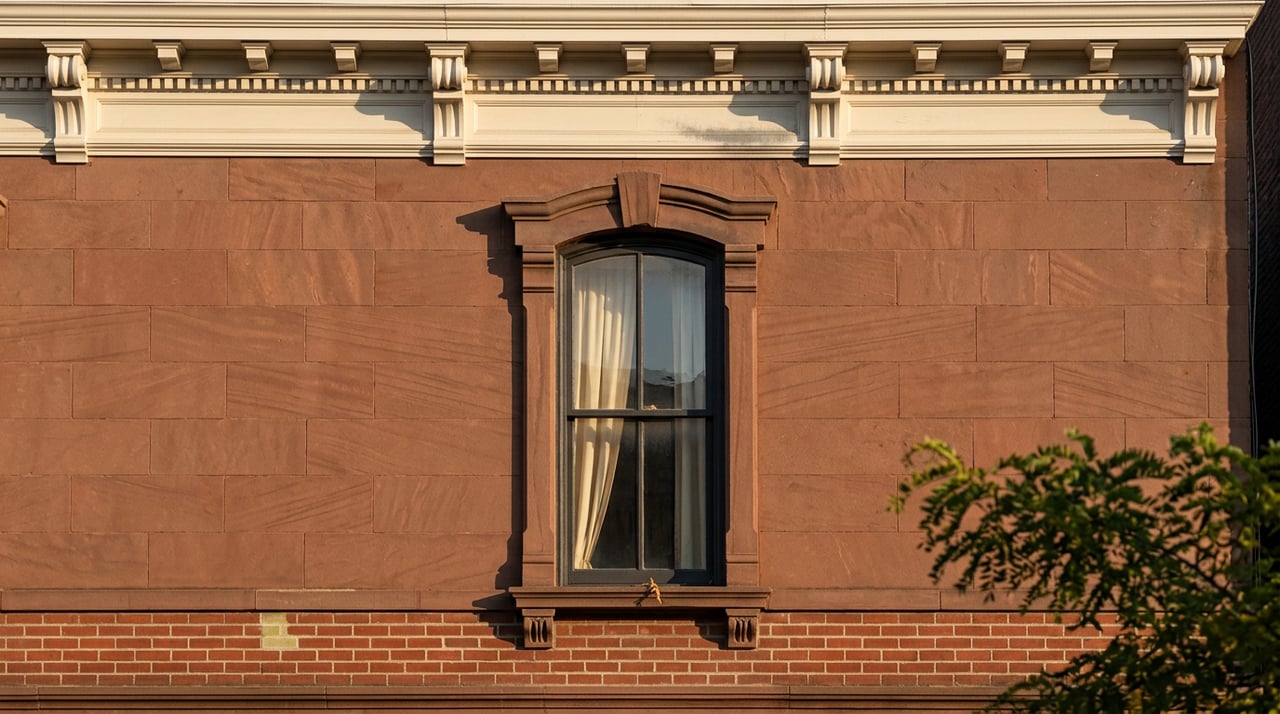
Cobble Hill’s brownstone and brick rowhouses are mostly 19th-century, with Greek Revival and Italianate styles common and later touches from Romanesque, neo-Grec and Queen Anne designs. The result is a streetscape of carved brownstone, ironwork, cornices and high stoops that many buyers seek out. Because much of Cobble Hill is landmarked, the historic character is intact and visually consistent from block to block, which adds to the appeal for long-term owners and investors alike. For an overview of the architectural context and district status, see the neighborhood’s profile.
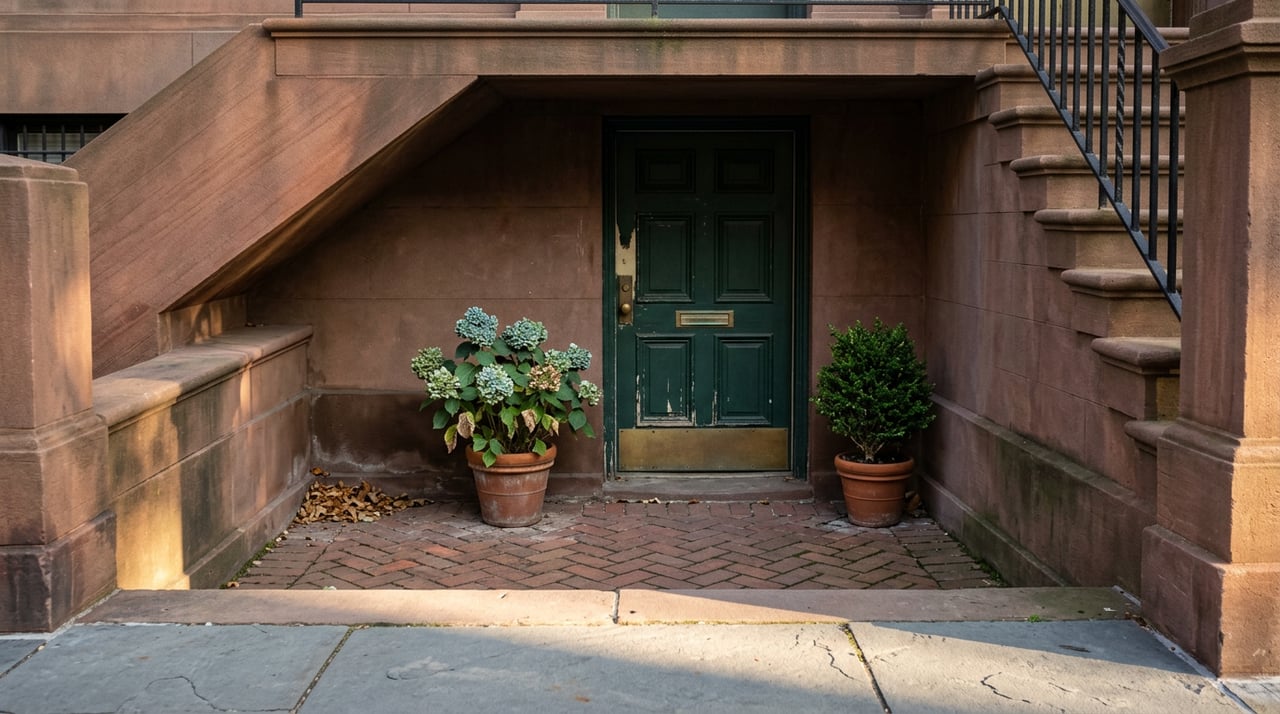
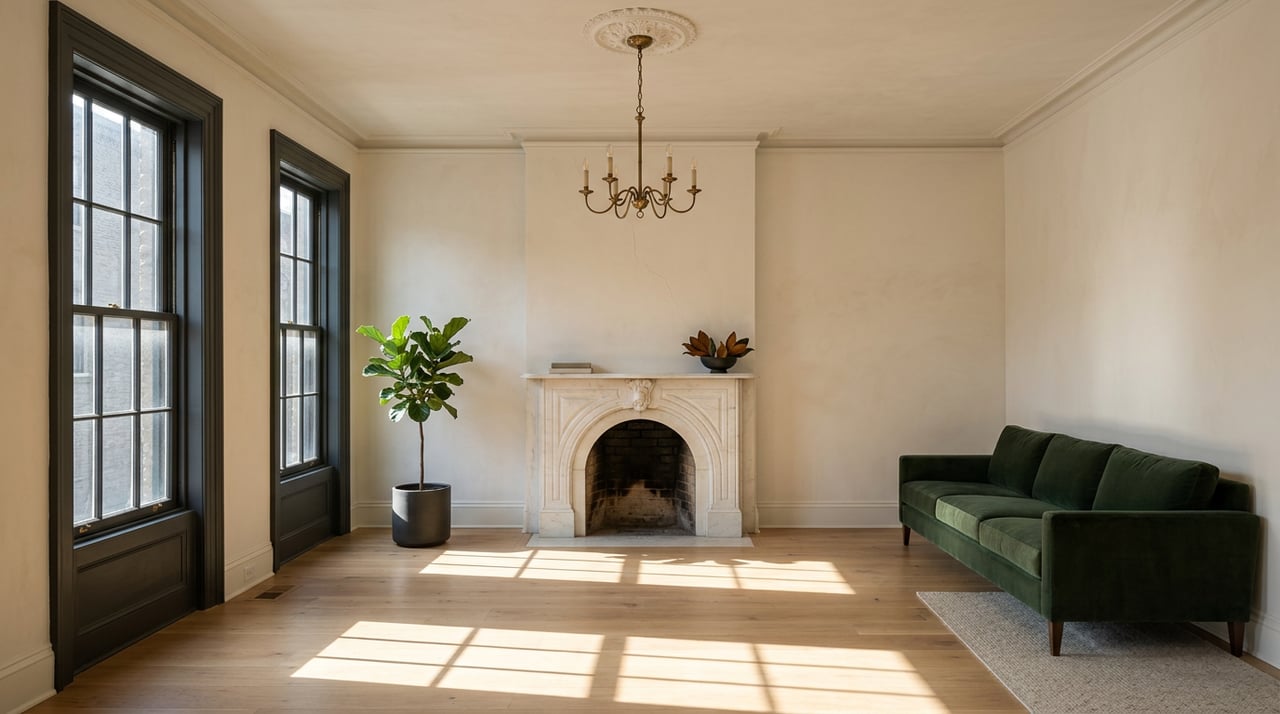
Most brownstones are vertical homes. You enter on a raised parlor level with tall ceilings and formal rooms, then head up to bedrooms and down to a garden or cellar level. Many renovated homes relocate the kitchen to the rear or the lower level to connect to the backyard. Stairs are part of daily life, packages land on stoops, and small private yards serve as play space, herb gardens, or a spot for pets.
Parking is limited, so you plan around street parking or car services. In exchange you get short walks to coffee, groceries and transit. If you work from home, a parlor room or a top-floor bedroom often becomes your quiet office.
Owning a brownstone means budgeting for exterior and structural upkeep over time. Key items include masonry repointing, stoop and entry repairs, roof work, waterproofing at the cellar and regular attention to gutters and leaders. Because much of Cobble Hill sits in a landmark district, visible exterior changes generally require Landmarks Preservation Commission review. That preserves curb appeal and neighborhood character, but it can add time and cost to façade work. The Cobble Hill Association’s history notes are a useful primer on why the preservation framework exists and how it shapes the streetscape you see today.
Court Street and Smith Street carry the day-to-day mix of specialty grocers, bakeries, cafés and restaurants. You can handle most errands on foot, pick up artisanal food on the way home, and meet friends without getting in a car. For a curated snapshot of local dining in and around Cobble Hill and Carroll Gardens, explore this Eater NY neighborhood map.
Cobble Hill Park sits quietly between Verandah Place and Congress Street as a small, well-used green with seating and play areas. It doubles as a neighborhood commons and hosts seasonal gatherings. When you want more space, the waterfront lawns, courts and paths of Brooklyn Bridge Park are about a 10 to 20 minute walk from much of Cobble Hill, depending on your block. The size and programming of the park add an outsized amenity to daily life.
On Court Street, Cobble Hill Cinemas remains a local favorite for films. The neighborhood also has an active civic culture, from park concerts to a Halloween parade and block events. Local coverage often highlights this small-scale social life as a defining trait of the area; see a snapshot on South Brooklyn.
Cobble Hill is served by the F and G lines, with local stations at Carroll Street and Bergen Street and the Smith–Ninth Streets stop nearby on the elevated viaduct. These lines connect quickly to Downtown Brooklyn and link to Manhattan through transfers at hubs like Jay Street–MetroTech and Atlantic/Borough Hall. For context on the corridor, see the Smith–Ninth Streets station overview.
Short rides to Atlantic Terminal or Jay Street expand your choices to multiple lines and the LIRR. Many residents also walk or bike to Downtown Brooklyn, and some connect to the waterfront ferry network via a brief walk to nearby piers. The neighborhood’s compact scale keeps these trips manageable.
Cobble Hill tends to command a premium within Brownstone Brooklyn because supply is limited and demand is steady for intact historic homes on walkable blocks. In Q1 2025, PropertyShark ranked Cobble Hill among Brooklyn’s most expensive neighborhoods, with a median sale price near 1.9 to 1.95 million dollars. You can review the borough-wide context in PropertyShark’s Q1 2025 report.
When you evaluate a brownstone, focus inspections on the structure and the envelope. Key checkpoints include party walls, beam and joist condition, roof and flashing, cellar moisture and drainage, stuops and façade masonry, and windows. Ask for documentation on mechanical upgrades such as electrical service, heating, cooling and plumbing. If you plan exterior work, factor potential Landmarks Preservation Commission reviews into your scope and timeline for any visible changes.
Your options range from single-family townhouses to two- or three-family brownstones, plus a smaller share of low-rise condos and co-ops integrated into the historic fabric. Multifamily townhouses may come with landlord duties and different financing, while co-ops involve board applications and sometimes stricter financing rules. Condos usually offer more resale flexibility and different covenants. Confirm the building form early so your financing, taxes and closing timeline align with the property’s structure.
Buyers often respond to preserved details such as mantels, moldings and original staircases, as well as to private outdoor space and proximity to Cobble Hill Park or Brooklyn Bridge Park. Because the neighborhood has relatively few listings at any given time, well-presented historic homes can draw strong interest. The recent PropertyShark ranking underscores Cobble Hill’s position near the top of Brooklyn’s price tiers, which helps set expectations for pricing strategy.
If you value historic character, quiet blocks, and the ability to walk to nearly everything you need, Cobble Hill brownstones deliver that experience. You accept vertical living and plan for periodic exterior maintenance in exchange for timeless design and a strong sense of place. With careful due diligence and the right advisory support, you can preserve the home’s character while tailoring it to modern life.
Ready to explore options or position your property for a standout result? Start a private conversation with Donald Brennan to map your next steps with a clear, market-tested plan.
Stay up to date on the latest real estate trends.
September 17, 2026
September 10, 2026
September 3, 2026
August 27, 2026
August 20, 2026
August 13, 2026
August 13, 2026
August 6, 2026
July 23, 2026