Leave a Message

Thank you for your message. We will be in touch with you shortly.

Condo vs. Co-op in Prospect Heights Explained

January 1, 2026

Condo vs. Co-op in Prospect Heights Explained

Feeling stuck between a condo and a co-op in Prospect Heights? You are not alone. Many buyers love the neighborhood’s brownstone charm and central location, then hit a wall when the ownership types start to blur. The good news is that once you understand how condos and co-ops differ, your path gets much clearer. In this guide, you will learn the key differences in ownership, approvals, timelines, costs, and rules, plus how building era and location affect value in Prospect Heights. Let’s dive in.

Ownership basics: deed vs. shares

Condo ownership and what it means

A condo gives you a deed to your unit. You also share ownership of common spaces through the association. A condo association enforces bylaws and house rules and sets the annual budget and common charges. Approvals are usually procedural, not personal, and there is rarely an interview.

For you, this often means more flexibility on subletting and an easier resale process, though each building can set its own rules. You pay your property taxes directly and can generally claim mortgage interest and property tax deductions on your return. A tax professional can confirm what applies to you.

Co-op ownership and what it means

A co-op is a corporation that owns the building. You buy shares in that corporation and receive a proprietary lease to occupy your apartment. The co-op board sets the rules, reviews buyers, and can approve or reject your purchase. Most co-ops limit subletting, and some have strict investor policies.

Your monthly maintenance covers your share of the building’s property taxes and operating costs, and may include payments on an underlying building mortgage. Tax treatment can be more complex, since your deductions relate to your portion of the building’s taxes and interest. A tax professional can help you translate the building’s documents into your return.

Buying process and timelines

Typical condo steps and timing

Condos tend to close faster in New York City because the review is mostly legal and financial, not personal. Expect:

  • Offer and contract with attorney review
  • Lender underwriting and condo document review
  • Association resale packet and estoppel confirmations
  • Closing with deed transfer and recording

A realistic timeline is about 30 to 60 days from contract to closing, depending on your lender, the building’s document turnaround, and attorney review.

Typical co-op steps and timing

Co-ops add a board application and interview to the process. Expect:

  • Offer and contract with co-op provisions
  • Board package preparation and submission
  • Board interview and vote
  • After approval, share transfer and proprietary lease execution

A realistic timeline is about 45 to 90 or more days from contract to closing. Delays often come from gathering financial documents, reference letters, the board’s meeting schedule, and any follow-up requests.

Prospect Heights timing factors to watch

In Prospect Heights, older co-op conversions in brownstones and walk-ups often have more conservative boards and longer interview lead times. Newer condos nearer Atlantic Avenue, Barclays Center, and Pacific Park tend to have a more streamlined transfer process. Buildings with higher resale activity sometimes have set schedules that keep applications moving. Others may group interviews, which can push the timeline by a few weeks.

Financing and monthly costs

What lenders tend to require

  • Co-ops: Many co-ops expect 20 to 25 percent down or more, and boards often look for healthy post-closing liquidity. Lenders also review the co-op’s underlying mortgage, reserves, and assessment history. Your financing may be contingent on board approval, so a board denial can stall a loan.
  • Condos: You will find more loan options, including conventional programs, and sometimes lower down payments if the condominium meets program requirements. Your lender will still review the building’s documents and budget.

What you pay each month

  • Condos: Mortgage, homeowner’s insurance for the interior, property taxes paid directly, and common charges for building operations. Some buildings include certain utilities in common charges.
  • Co-ops: One maintenance payment that typically covers your portion of building property taxes, any building mortgage, staff and common utilities, repairs, and reserves. Co-ops may levy assessments for capital work.

Co-op maintenance often looks higher than condo common charges. That is because co-op maintenance bundles taxes and the building mortgage. When you add up mortgage, taxes, and fees across both ownership types, the net monthly outlay can be closer than it appears. Compare line by line.

Other costs to watch

  • Flip taxes and transfer fees. These are common in New York and can be a seller or buyer cost, depending on the building and negotiation.
  • Reserve fund and assessments. Buildings with thin reserves may pass special assessments to owners.
  • Insurance. Condo owners usually carry an HO-6 policy for their interior. Co-op shareholders should confirm coverage details with the building’s master policy and their agent.

Taxes at a glance

  • Condos: You receive your own property tax bill and can typically claim mortgage interest and property tax deductions, subject to limits.
  • Co-ops: Your maintenance includes the building’s property taxes and debt service. You may get an annual statement that breaks out your share for tax purposes. A tax professional can advise on your exact situation.

Board expectations and building rules

Co-op boards: what they look for

  • Financial stability. Expect to provide tax returns, bank and brokerage statements, verification of income and employment, and a personal financial statement that shows you can carry the mortgage and maintenance with room to spare.
  • Down payment and liquidity. Many co-ops expect 20 to 25 percent down or more, plus a set amount of post-closing reserves.
  • References and conduct. Letters from personal and professional contacts and a respectful interview help demonstrate you will follow house rules and contribute to building stability.
  • Renovation approvals. Most co-ops require board approval for major work and limit hours and contractor access. Short-term rentals are often prohibited, and sublets may be limited or require board consent.

Condo associations: what to expect

Condos do not usually interview buyers. You still register as an owner or occupant, provide proof of insurance, and follow bylaws and house rules. Condos can regulate sublets, renovations, and amenity use, but they seldom approve or reject buyers on subjective grounds.

How building era shapes value in Prospect Heights

Pre-war co-ops and walk-ups

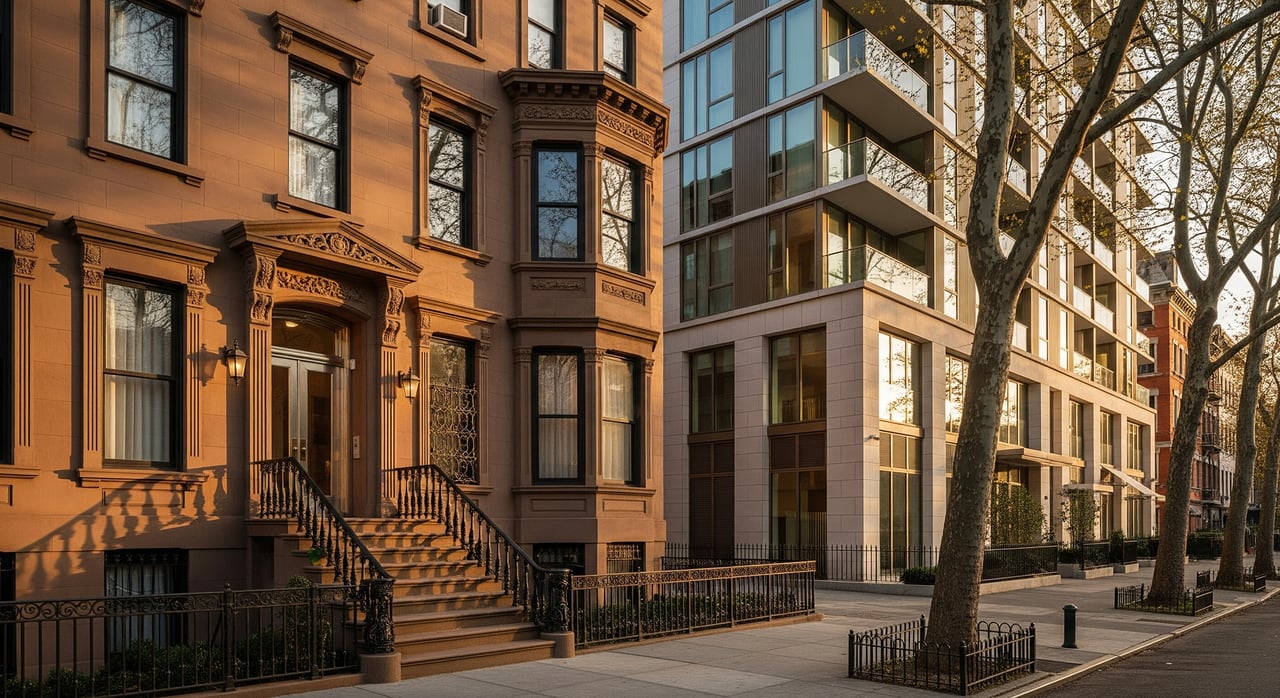
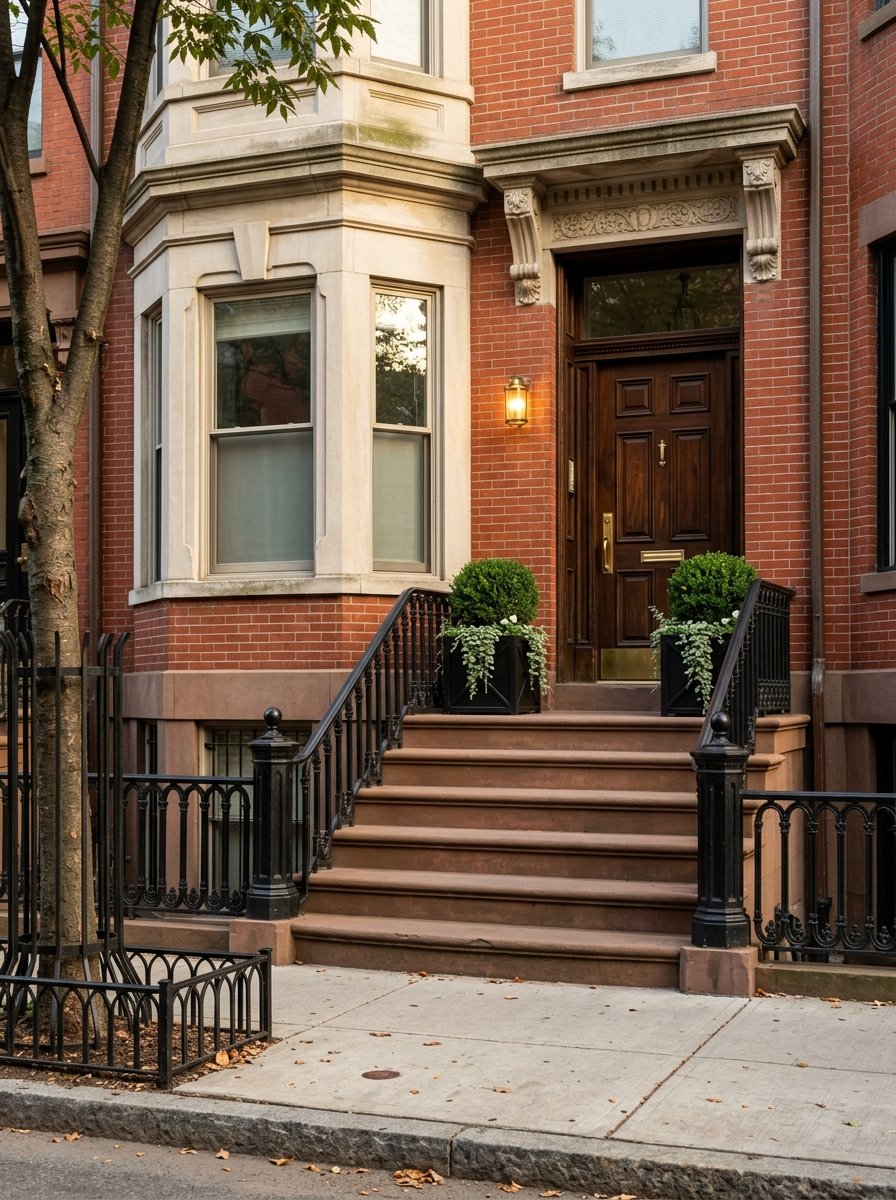
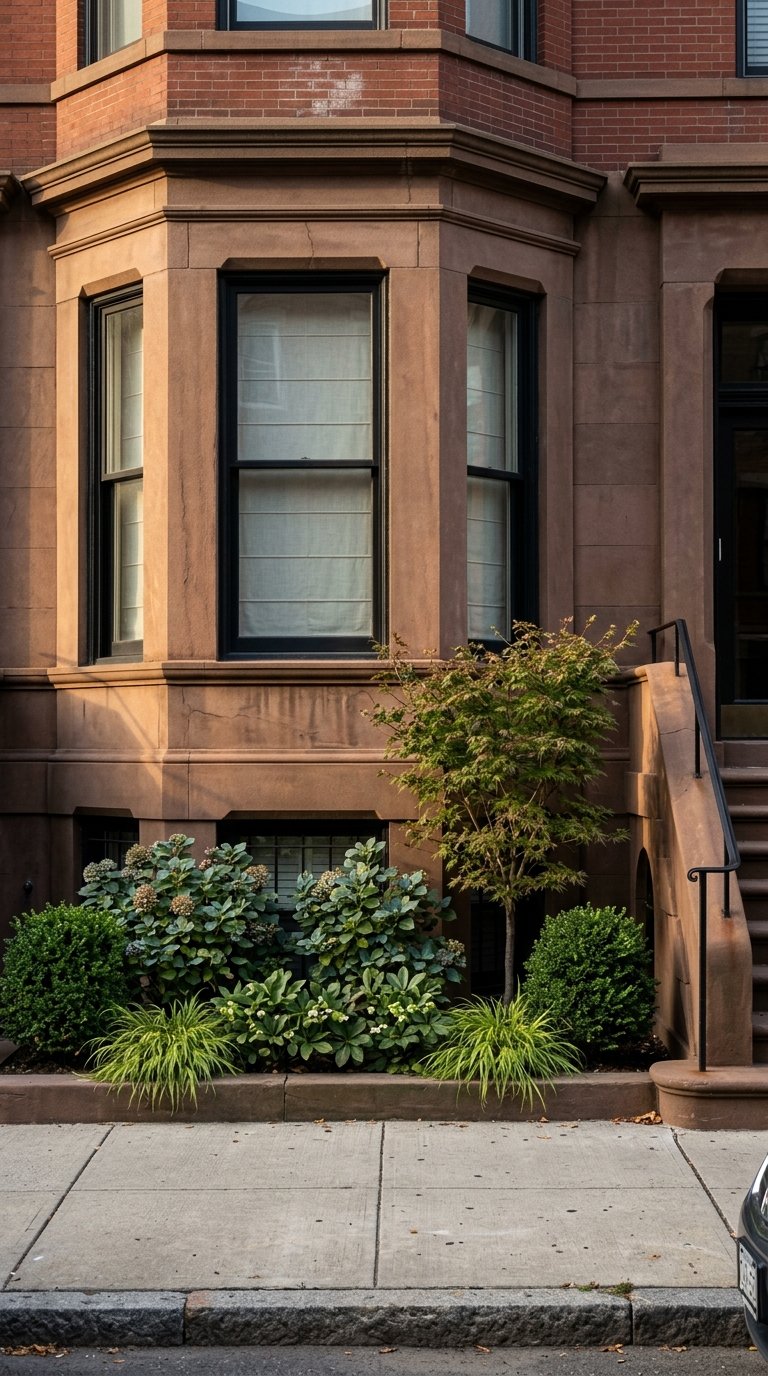
Prospect Heights is rich in late 19th and early 20th century brownstones and walk-ups. Many became co-ops during later conversions. Buyers value original details, tall ceilings, and the neighborhood fabric. Elevators are rare in these buildings, which influences who they best fit. Boards in older conversions often take a conservative approach and favor long-term stability.

Mid- to late-century elevator buildings

These properties offer practical layouts and a mix of co-op and condo ownership. Amenities vary, and price per square foot can be lower than boutique new developments. These buildings can be a smart way to balance space and budget while staying close to Vanderbilt Avenue and cultural hubs.

New condos near Pacific Park and corridors

Newer developments around Atlantic Avenue, Pacific Park, and other main corridors tend to be condos. Expect modern systems, elevators, and amenities such as doormen, gyms, storage, and roof decks. New condos often command higher prices per square foot thanks to amenities and easier financing and transferability. They also attract some investor interest, which can influence rental supply and building culture.

Mixed structures and condops

Some buildings blend attributes of condos and co-ops. These hybrids can work well but add complexity to financing and approvals. Your attorney and lender should review the structure early so you do not hit unexpected hurdles late in the process.

Which fits your goals

Use your timeline, budget, and use plan to guide your choice:

  • You want speed and flexibility. A condo is often better if you value a faster close and potential to rent in the future, subject to building rules.
  • You want long-term stability and community. A co-op can be a fit if you plan to occupy for many years and prefer buildings that screen buyers and manage renovations closely.
  • You are optimizing monthly cash flow. Compare the true monthly outlay. Co-op maintenance looks higher, but it bundles taxes and often the building loan. Condos separate these costs. Line-by-line review matters more than the headline number.
  • You plan a renovation. Understand approval timelines. Co-ops often have stricter renovation and contractor rules, while condos may be more flexible. Either way, get the building’s alteration policy before you commit.
  • You are an investor or may relocate. Many co-ops restrict subletting. Condos are generally more permissive, but you still need to review rental policies.

Prospect Heights buyer checklist

Request these items early so you can compare true costs and risks across buildings.

For any building

  • Recent history of common charges or maintenance and any planned assessments
  • Building financials, annual budget, and reserve fund balance
  • Recent board meeting minutes
  • Pet, sublet, and renovation policies and contractor requirements
  • Any building litigation or outstanding code violations

For condos

  • Bylaws and declaration
  • Resale documents or estoppel letter from the association
  • Amenity contracts if services are outsourced
  • Whether the condo meets the requirements for your intended loan program

For co-ops

  • Proprietary lease, bylaws, house rules, and sublet policy
  • Board package checklist and current turnaround times
  • Board guidelines for minimum down payment and post-closing liquidity
  • Building financial statements and details on any underlying mortgage

Prospect Heights context that matters

Transit access and culture shape demand here. Multiple subway lines converge nearby, including the 2, 3, 4, 5, B, Q, and R. The Brooklyn Museum, Brooklyn Botanic Garden, and Barclays Center draw steady interest from buyers who want both neighborhood character and convenience. Interior blocks with tree-lined brownstones tend to skew co-op. Newer condo options cluster closer to Atlantic Avenue and major corridors. That mix affects availability, timelines, and the rules you will live with.

Work with a local, technical advisor

Choosing between a condo and a co-op is not only about price. It is about control, timeline, renovation plans, and long-term resale. The right advisor helps you read building budgets, interpret bylaws and proprietary leases, and prepare a board package that clears on the first pass. If you want guidance tailored to Prospect Heights’ mix of pre-war co-ops and newer condos, connect with Donald Brennan to schedule a private consultation.

FAQs

Which is easier to finance and close in Prospect Heights?

  • Condos are generally easier to finance and close because approvals are procedural, while co-ops add a board package and interview that can extend timelines.

Are monthly costs lower in condos or co-ops?

  • It depends. Co-op maintenance looks higher because it includes taxes and sometimes a building mortgage, but the true monthly outlay can be similar when you compare each line.

Can a co-op board reject a buyer even with mortgage approval?

  • Yes. Co-op boards have discretion to approve or reject applicants or set conditions, even if a lender has issued a commitment.

How can I gauge a building’s rules and culture in Prospect Heights?

  • Ask about recent board interview practices, sublet history, renovation policies, and resale timelines. Older co-ops often run more conservatively than newer condos.

Where can I find current local price and inventory data?

  • Review neighborhood market reports from well-known listing portals and major brokerage reports, and check NYC Department of Finance records for tax and assessed value context.

Work With Us