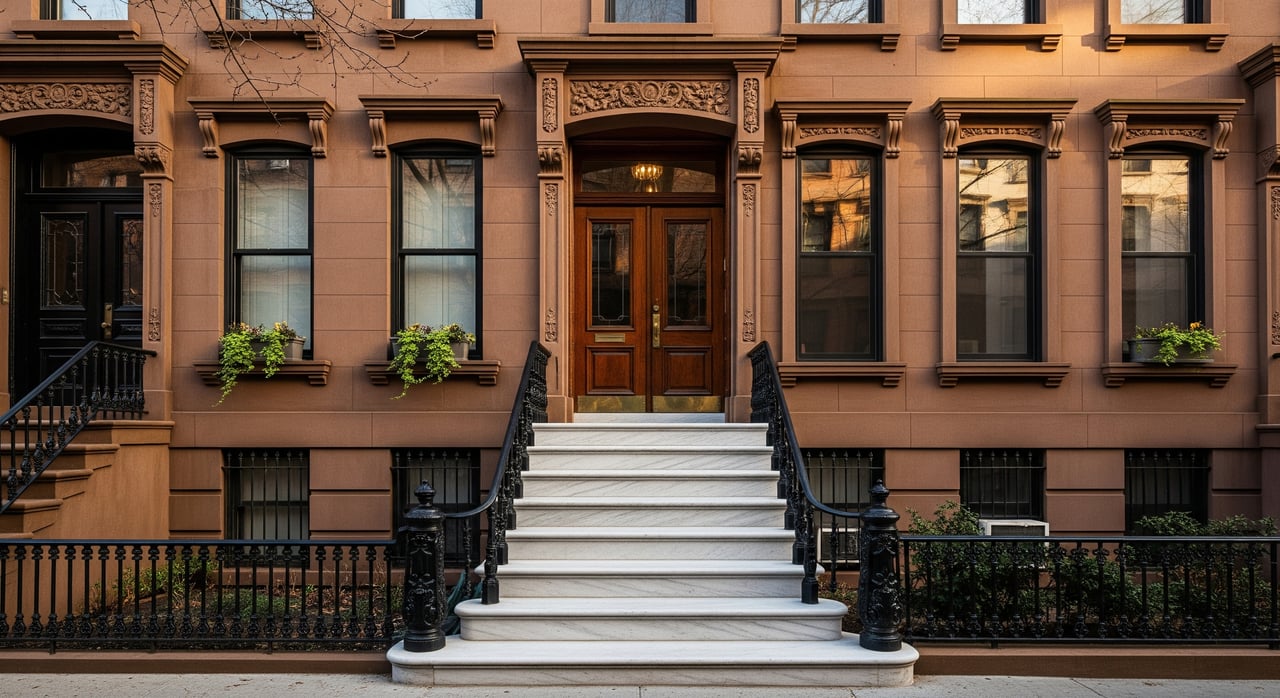
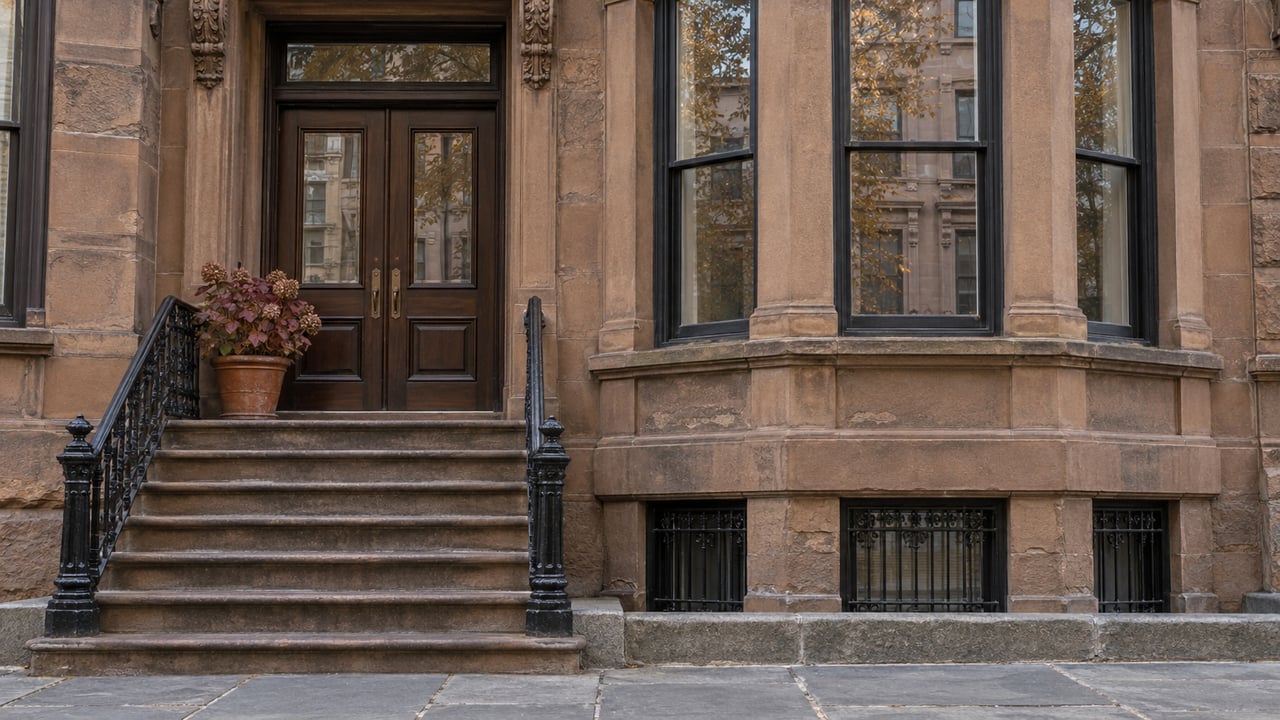
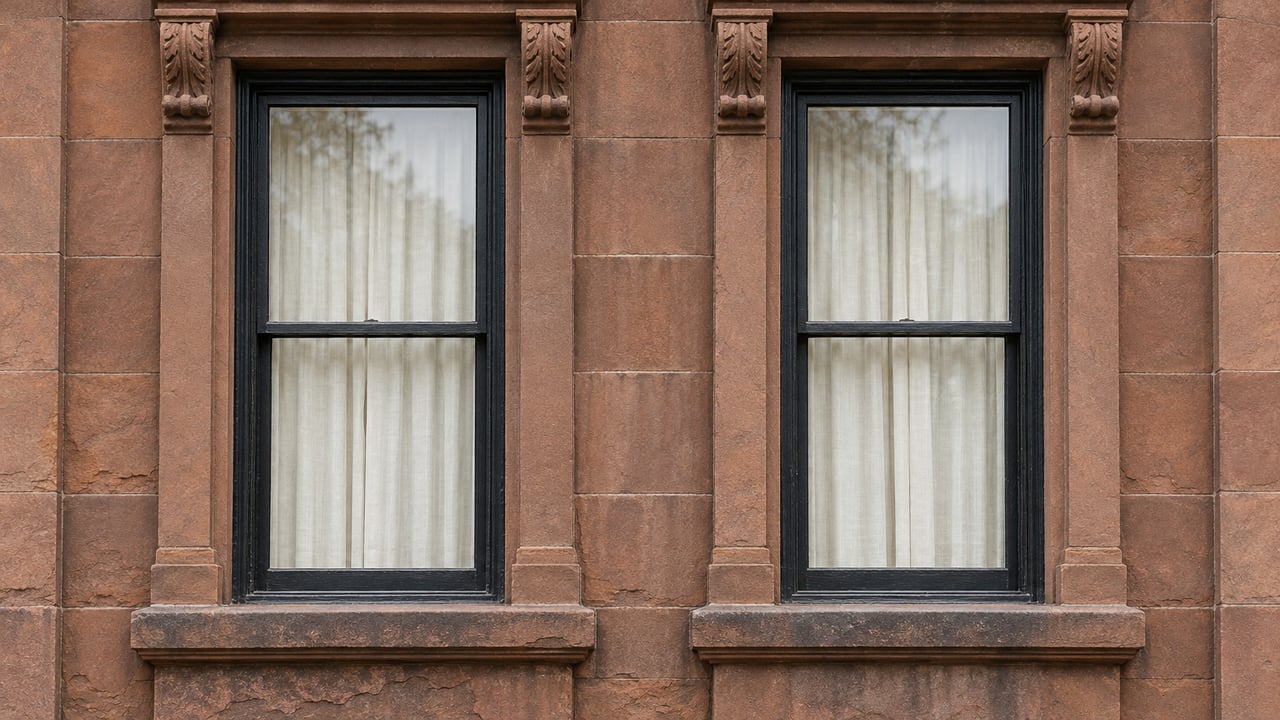
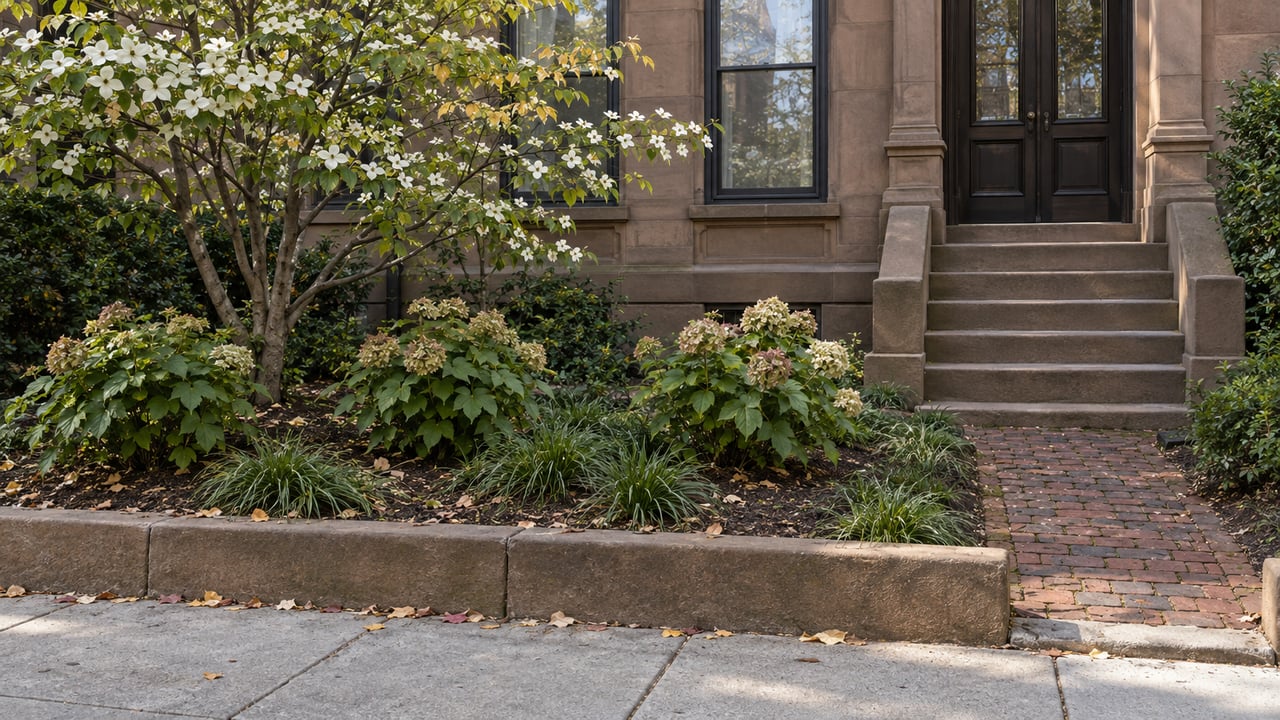
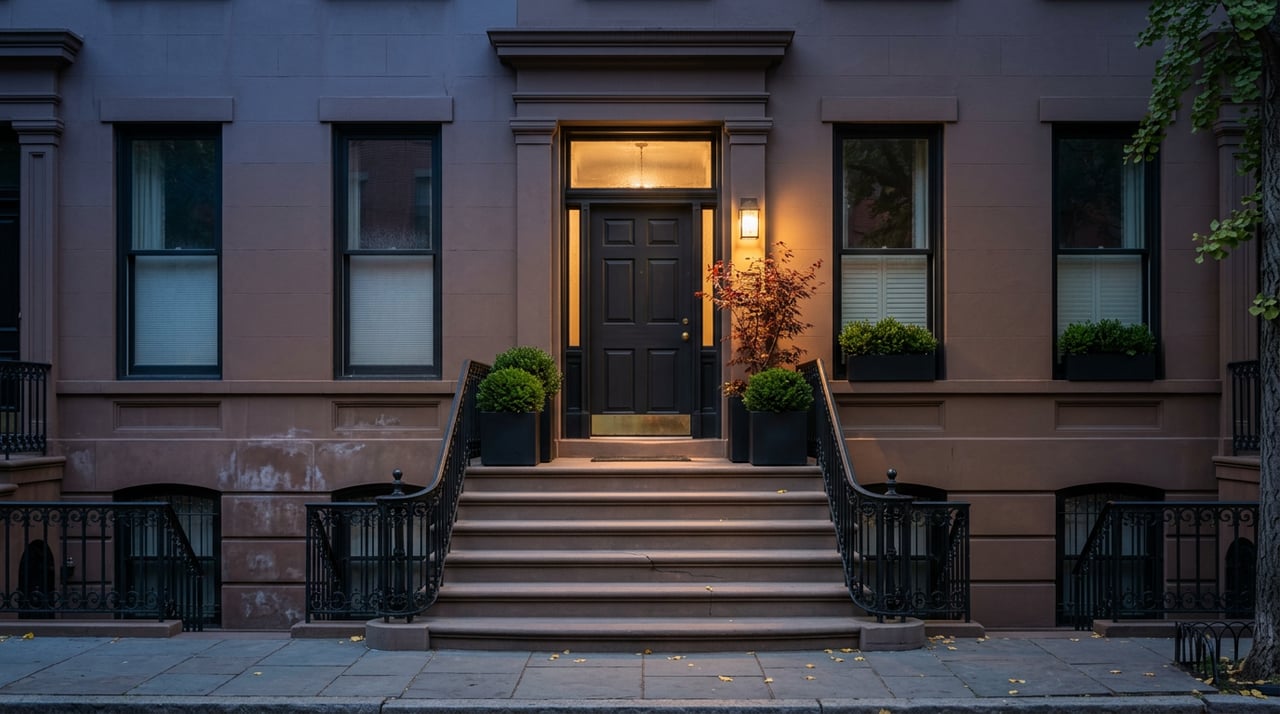
Thinking about selling your Park Slope brownstone but unsure when to go live? Timing can shape your price, your days on market, and how smoothly you close. You want a plan that respects seasonality, the realities of historic properties, and your preferred move date. In this guide, you will learn how the Park Slope market typically moves through the year, how brownstone-specific factors change the timing calculus, and how to build a clear prep timeline that leads to a confident launch. Let’s dive in.
Park Slope seasonality at a glance
Spring brings the strongest buyer activity across New York City, and Park Slope is no exception. From March through May, you typically see more listings and more showings, which often translates to stronger pricing and quicker deals.
Early fall is a second peak. September and October bring buyers back from summer and can produce favorable outcomes, especially for well-prepared properties.
Summer and winter are quieter. Late July and August slow as travel picks up, and the holiday period in late November and December sees fewer showings. That said, winter buyers are often very motivated, and inventory can be thin.
How brownstones change the timing
Brownstones trade less frequently than condos and co-ops, and the buyer pool is smaller. This can reduce the impact of pure seasonality, but it does not remove it.
Park Slope’s historic districts introduce practical timing factors. If you plan exterior work, you may need Landmarks or Department of Buildings approvals, which can add weeks or months. Build that into your schedule so you do not miss the best windows.
Buyer profiles vary. Many owner-occupants plan around the school calendar and prefer spring listings that lead to summer closings. Investors and relocation buyers can be less seasonal and may respond well to targeted outreach at any time.
Choose timing by your goal
Maximize price
List in early spring or early fall when buyer traffic is strongest. Competitive pressure tends to be higher, and marketing can reach more active prospects in a shorter span.
Minimize days on market
Spring typically delivers faster activity. If speed matters most, aim for March through May and arrive with staging, visuals, and disclosures ready.
Coordinate with school-year moves
If you want to sell to buyers targeting a summer move-in, list late winter or early spring. That makes room for a 60 to 90 day closing and allows occupancy in late spring or early summer.
Leverage lower competition
Late fall and winter can work if inventory is thin. You may see fewer showings but more motivated buyers. Strong pricing strategy and targeted outreach are essential.
Build your timeline backward
Closing timelines for townhouses
Expect 60 to 90 days from contract to close for financed townhouse deals. Cash can be faster, but attorney review, title, and lender processes still take time. If you want to close in June, for example, aim to go to contract in April and list in March.
Preparation windows
- Minor prep: 2 to 6 weeks for decluttering, deep cleaning, light paint, staging, and professional photos.
- Moderate prep: 6 to 12 weeks for paint, floor refinishing, minor systems work, staging, and selective inspections.
- Major prep: 3 to 6 months or more for structural work, full renovations, or exterior projects that require approvals.
Permits and historic considerations
Exterior changes that affect the façade, stoop, windows, or cornice in the Park Slope Historic District may require review and permits. Interior cosmetic work often moves faster, but structural or systems work may need Department of Buildings approvals. If timing is tight, prioritize improvements that do not require long approvals and sequence exterior work carefully.
A practical calendar for sellers
January to February
- Evaluate comps and set a pricing strategy.
- Complete interior touch-ups and staging plans.
- Book photography and floor plans so you can hit an early spring launch.
March to May
- This is the spring peak. Aim to go live with polished marketing and a clear showing plan.
- Use high-quality visuals and a strong listing narrative to capture early momentum.
June
- Still active, especially for buyers targeting summer moves.
- If you go to contract in June, plan for late summer closings.
July to August
- Travel season slows activity. Consider broker previews or targeted outreach if you need to test price or gather feedback.
- If you plan a fall launch, complete any remaining work now.
September to October
- Second peak. If spring was not feasible, this is a strong alternative.
- Make sure inspections, disclosures, and marketing are ready before Labor Day.
November to December
- Showings slow into the holidays, but motivated buyers remain. Inventory can be lean, which may help well-positioned listings.
- Use this period to prepare for a January media refresh and a late-winter launch if you prefer to wait.
Create pre-market momentum
Use a brief pre-market window to build interest without overexposing your property:
- Broker previews and targeted outreach to qualified buyers and local agents.
- Limited pre-inspections to reduce surprises in negotiation.
- Professional staging and photography that highlight light, scale, and intact detail.
- A clear plan for public launch that coordinates open houses, private tours, and press or social content.
For some properties, a controlled off-market period can surface serious buyers while preserving a clean days-on-market record. This approach is common for unique or high-value brownstones and can be especially effective in lower-inventory months.
What to watch before choosing your date
Monitor a short set of indicators in the weeks before launch:
- Active townhouse inventory in Park Slope and how it is trending.
- New listings per week and the ratio of pending to active listings.
- Average days on market and recent list-to-sale price patterns for comparable townhouses.
- Mortgage rates and lender activity, which affect purchasing power.
- Local calendars for school admissions and community events that influence buyer attention.
Scenario-based timing recommendations
- Fastest sale: List in March through May. Begin prep 6 to 12 weeks earlier.
- Aim for a September start for buyers: List in early spring to allow a 60 to 90 day closing into summer.
- Major exterior work needed: Start permits now. Target early fall or the following spring depending on approval pace.
- Privacy first: Consider a targeted off-market or broker-only period in late fall or winter, then go public in spring if needed.
Avoidable timing mistakes
- Starting exterior work without confirming permit needs. This can push you past the best listing window.
- Going live before you have complete documentation and clear disclosures.
- Waiting indefinitely for the “perfect” rate environment. Good preparation and pricing can overcome rate noise.
- Launching without top-tier visuals. First impressions during peak seasons matter.
- Ignoring off-market or preview strategies for special properties that warrant discretion.
Next steps
The best window to list your Park Slope brownstone depends on your goals, the scope of prep work, and current market signals. Build your plan backward from your desired closing month, align your pre-market checklist with permit realities, and choose a launch window that matches your strategy.
If you want an expert, place-based plan for your property, schedule a private consultation with Donald Brennan. You will get an advisory-led timeline, a curated marketing plan, and guidance shaped by architectural and development experience.
FAQs
What is the best month to list a Park Slope brownstone?
- Spring months, especially March through May, typically see the strongest buyer activity, with a second peak in September and October.
Do brownstones still sell in winter in Park Slope?
- Yes. Fewer buyers are active, but they are often motivated, and lower inventory can help well-prepared listings stand out.
How long does a townhouse closing usually take?
- Expect 60 to 90 days for financed transactions, with cash potentially faster depending on attorney and title timelines.
When should I start permits for exterior work in the historic district?
- Begin as early as possible. Approvals for façade, stoop, window, or cornice work can add weeks or months, so plan ahead.
How do I time a sale for a summer move-in?
- List in late winter or early spring so you can go to contract in spring and close in late spring or early summer.
Should I test the market off-market before going public?
- A controlled off-market or broker-preview period can surface serious buyers and preserve a clean days-on-market record for a later public launch.