A Downtown Brooklyn Condo Guide for Smart Buyers
April 23, 2026
April 23, 2026
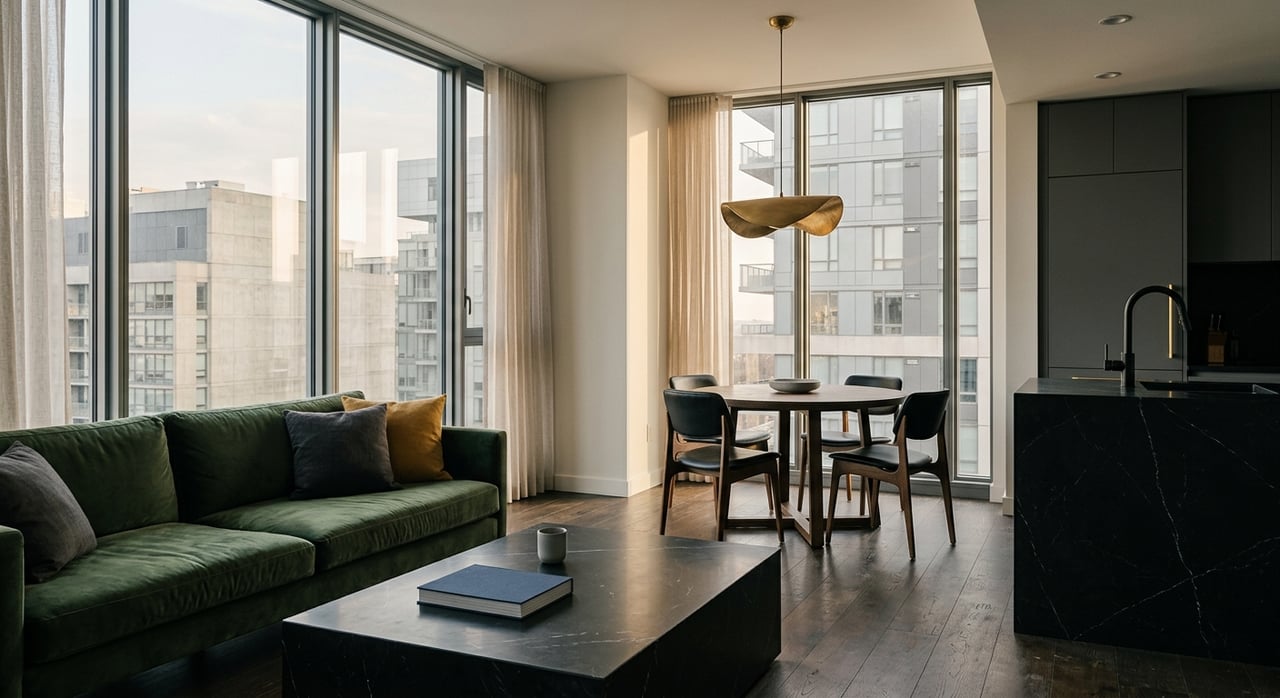
If you are shopping for a condo in Downtown Brooklyn, the skyline is not just a backdrop. It is part of the decision. This is one of New York City’s fastest-evolving urban districts, where new towers, transit access, public spaces, and street-level activity can shape how a home feels now and how it may perform over time. If you want to buy with more clarity, it helps to understand how the area was built, what kinds of condo options you will actually see, and what matters most when you tour. Let’s dive in.
Downtown Brooklyn’s modern condo market did not happen by accident. The 2004 Downtown Brooklyn Plan increased allowable density, encouraged mixed-use development, and created a framework for taller towers in the core with lower height limits in transition areas such as Schermerhorn and Myrtle.
That planning shift helped reshape the neighborhood over the last two decades. According to the Downtown Brooklyn Partnership, the district has added more than 32 million square feet of new development, over 22,000 housing units, and roughly 8,000 more units are still in the pipeline.
The result is a dense, mixed-use district that continues to evolve. You are not buying into a finished low-rise neighborhood. You are buying into a place where new buildings, public realm improvements, and infrastructure investments can directly affect daily living and long-term value.
The most visible part of Downtown Brooklyn’s skyline is the amenity-rich luxury tower. These buildings tend to focus on height, views, lifestyle amenities, and a strong design identity.
At 11 Hoyt, for example, buyers see a 57-story condominium tower with 481 units, a large indoor and outdoor amenity package, an elevated private park, and expansive windows designed to capture skyline and harbor views.
Brooklyn Point follows a similar pattern, with about 458 residences and roughly 40,000 square feet of amenities. Its rooftop infinity pool and high-floor outlooks are central to the product.
Brooklyn Tower takes that formula even further, pairing a supertall profile with a landmarked podium and a large amenity stack. In buildings like these, the value proposition often centers on elevation, views, and access to a full-service residential experience.
Not every condo in Downtown Brooklyn is in a supertall. Because the zoning framework includes height-limited transition areas, some newer buildings feel more mid-rise, more street-connected, and less vertically dramatic.
These homes can appeal to buyers who want newer construction without the full tower experience. In many cases, the tradeoff is clear: fewer dramatic views and fewer resort-style amenities, but often a stronger sense of connection to the block and surrounding streetscape.
A polished lobby and a skyline view can make a strong first impression, but your decision should go deeper. In Downtown Brooklyn, a smart tour focuses on four practical issues: views, amenities, commute, and noise.
Views are one of the biggest pricing variables in the neighborhood. Buildings such as 11 Hoyt and Brooklyn Point have been marketed heavily around views of Manhattan, New York Harbor, and the broader Brooklyn skyline.
When you compare units, look beyond whether the view is attractive today. Ask whether it is likely to stay that way. With roughly 8,000 additional units still in development, future construction can affect light, air, and outlook over time, according to the Downtown Brooklyn Partnership’s development update.
A helpful way to assess this is to compare orientation and surrounding massing. A west-facing unit with a dramatic skyline view may command a premium, but that premium means more if nearby zoning and existing buildings make the view more durable.
Amenities are a major part of the Downtown Brooklyn condo story. Many newer buildings emphasize pools, fitness centers, lounges, coworking areas, landscaped terraces, and resident entertainment spaces.
That sounds appealing, but the right question is simple: will you actually use them? A building with a large amenity package may offer a lifestyle advantage, but it can also influence common charges and how the building operates day to day.
If you work from home, a coworking lounge may matter. If you travel often, a pool and roof deck may carry more emotional value than practical value. During a tour, try to picture your weekly routine, not your idealized one.
Transit access is one of Downtown Brooklyn’s clearest advantages. The neighborhood is served by multiple major subway connections, including Atlantic Av-Barclays Ctr, Jay St-MetroTech, Borough Hall, and DeKalb Av, with service across many lines and direct LIRR access in the Atlantic terminal area.
That level of connectivity can make a real difference in daily life. It also creates what many buyers value as commute redundancy, meaning you have more than one realistic route depending on where you work or how service patterns change.
When you tour, do the actual walk to the entrance you would most likely use. A listing may mention nearby transit, but the difference between a quick direct route and a busy multi-block walk can matter more than you think.
Downtown Brooklyn combines office space, retail, transit, culture, and entertainment. That mix gives the neighborhood energy, but it also means noise and foot traffic can change sharply from one location to another.
Areas near Atlantic Avenue, Flatbush Avenue, Fulton Mall, Barclays Center, and major public spaces may feel very different from a quieter side street. The district’s role as a major business and transit hub supports that pattern, and the Downtown Brooklyn Partnership also points to the growth of parks, plazas, retail, and cultural destinations across the neighborhood.
If noise sensitivity is part of your decision, visit at different times. A unit that feels calm on a weekday afternoon may feel very different during a peak commute window or evening event period.
One reason Downtown Brooklyn draws buyers is that it now functions as more than a business district. The area includes destinations such as City Point, Albee Square, Willoughby Square, Abolitionist Place, Betty Carter Park, and the Brooklyn Cultural District, all noted by the Downtown Brooklyn Partnership.
The public realm is still improving as well. In 2025, the city and DBP unveiled an Fulton Mall streetscape renovation aimed at making the district greener and more pedestrian-friendly.
For you as a buyer, that means the neighborhood experience may continue to improve, but it also means change is ongoing. Construction, retail turnover, and shifting public spaces are part of the local reality.
Downtown Brooklyn remains a premium condo market, even if pricing varies by source and methodology. PropertyShark reported a median condo price of $1.7 million as of January 2026, reinforcing the broader picture of sustained demand.
Rental data also matter. According to Realtor.com neighborhood market data, median rent was $4,646 per month in February 2026, which suggests a deep renter pool in the area.
For many buyers, the most useful long-term value questions are less about a headline price and more about fundamentals. In Downtown Brooklyn, those fundamentals include:
A beautiful condo can still be the wrong fit if the building’s costs, location, or future surroundings do not align with how you plan to live.
As you narrow your options, keep this checklist with you:
This kind of framework helps you compare homes more objectively. It also keeps you focused on value, not just presentation.
Downtown Brooklyn offers something rare in New York: a true high-rise condo market in the middle of a deeply connected Brooklyn location. If you are drawn to skyline views, full-service living, and strong transit access, the neighborhood can offer compelling options. The key is to buy with open eyes about how planning, future development, and building economics shape the experience.
That is where thoughtful guidance matters. If you want a more strategic perspective on buying in Brooklyn’s evolving residential market, Donald Brennan offers an advisory-led approach grounded in design fluency, development insight, and careful evaluation.
Stay up to date on the latest real estate trends.
October 22, 2026

October 15, 2026
October 8, 2026

October 1, 2026
September 24, 2026
September 17, 2026
September 10, 2026
September 3, 2026
August 27, 2026