How to Sell a Carroll Gardens Brownstone in Today’s Market
March 5, 2026
March 5, 2026
Thinking about selling your Carroll Gardens brownstone, but unsure how to balance preservation and buyer expectations? You are not alone. In a landmarked neighborhood with tight inventory and serious buyer demand, the right prep can mean a smoother sale and stronger offers. In this guide, you will learn how to prioritize safety and systems, plan light modernization that respects character, navigate LPC rules, and time your listing for today’s market. Let’s dive in.
If your home sits within the Carroll Gardens historic district, exterior work visible from the street is regulated by the NYC Landmarks Preservation Commission. The LPC typically reviews stoops and areaways, façades and masonry, windows and trim, cornices, and rooftop additions. Use the Commission’s guidance to confirm whether your scope needs a Certificate of Appropriateness or can be handled at staff level before you start planning visible work. See the LPC’s Certificate of Appropriateness overview for process details: NYC LPC application guidance.
The LPC process is not instant. A complete application, staff review, and hearing when required often take weeks to months. If you are considering visible exterior repairs or changes before listing, build this lead time into your schedule so you do not delay market entry.
Do not begin visible façade or window changes until you know if approval is required. Unauthorized work can trigger stop‑work orders, fines, and buyer uncertainty. For conservation tasks like repointing or brownstone patching, align your contractor’s scope with preservation best practices so you can show buyers thoughtful stewardship.
Order a comprehensive, seller‑paid pre‑listing inspection to spot issues that can stall deals. A report gives you time to fix safety items, gather bids, and document completed work for buyers. InterNACHI outlines clear advantages of seller inspections, including fewer last‑minute renegotiations and better pricing confidence. Review the benefits here: seller inspection guidance.
Ask your inspector to look closely at cellar or basement moisture, lintels and stoops, masonry mortar condition, and any signs of knob‑and‑tube wiring or undersized electrical service. Many lenders and insurers flag active leaks, unsafe electrical conditions, and nonfunctional systems. Getting ahead of these items supports underwriting and a smoother closing.
In NYC, many Department of Buildings filings for pre‑1987 properties require asbestos documentation. If no reportable asbestos is found in the work area, a DEP‑licensed investigator files an ACP‑5 so DOB can advance permits. If abatement is needed, the process requires ACP‑7 notification and completion filings. Start here for forms and guidance: NYC DEP asbestos forms.
Any renovation that disturbs painted surfaces in pre‑1978 properties must follow the EPA Renovation, Repair and Painting rule. Hire certified firms, use lead‑safe practices, and keep the Renovate Right documentation for your disclosures. Learn the essentials here: EPA RRP work practices.
Appraisals tied to FHA, VA, and many conventional loans focus on habitability and safety. Common concerns include roof condition, working primary heat and hot water, safe electrical panels, and no exposed wiring. Get familiar with typical minimum property standards to prioritize fixes: FHA minimum property standards overview.
Address electrical hazards, aging panels, or knob‑and‑tube wiring, and confirm your heating and hot‑water systems are clean and functional. Repair active roof leaks and correct drainage or moisture issues. These fixes reduce financing friction and keep your deal on track.
Consider multi‑zone ductless mini‑split heat pumps to add efficient cooling and supplemental heating without invasive ductwork. In NYC, many split‑system installations require DOB mechanical filings, and LPC review may apply if the outdoor unit is visible from the street. See permitting context here: DOB mechanical key terms.
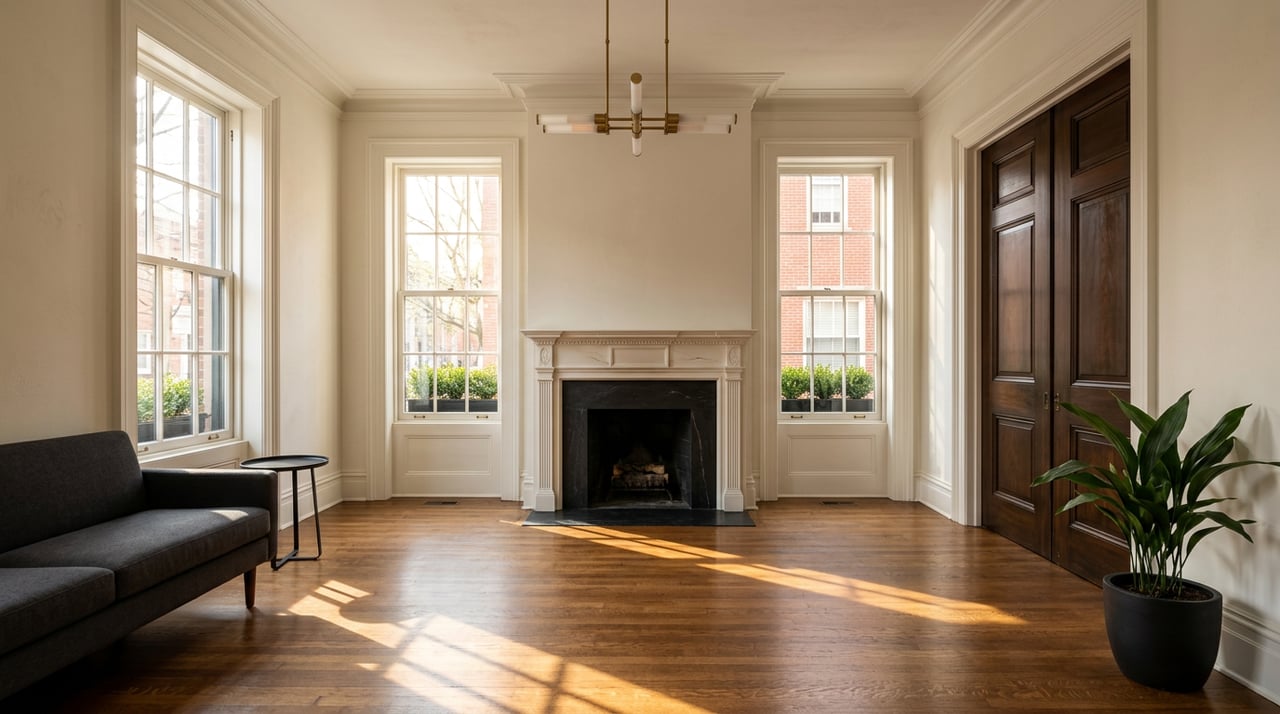
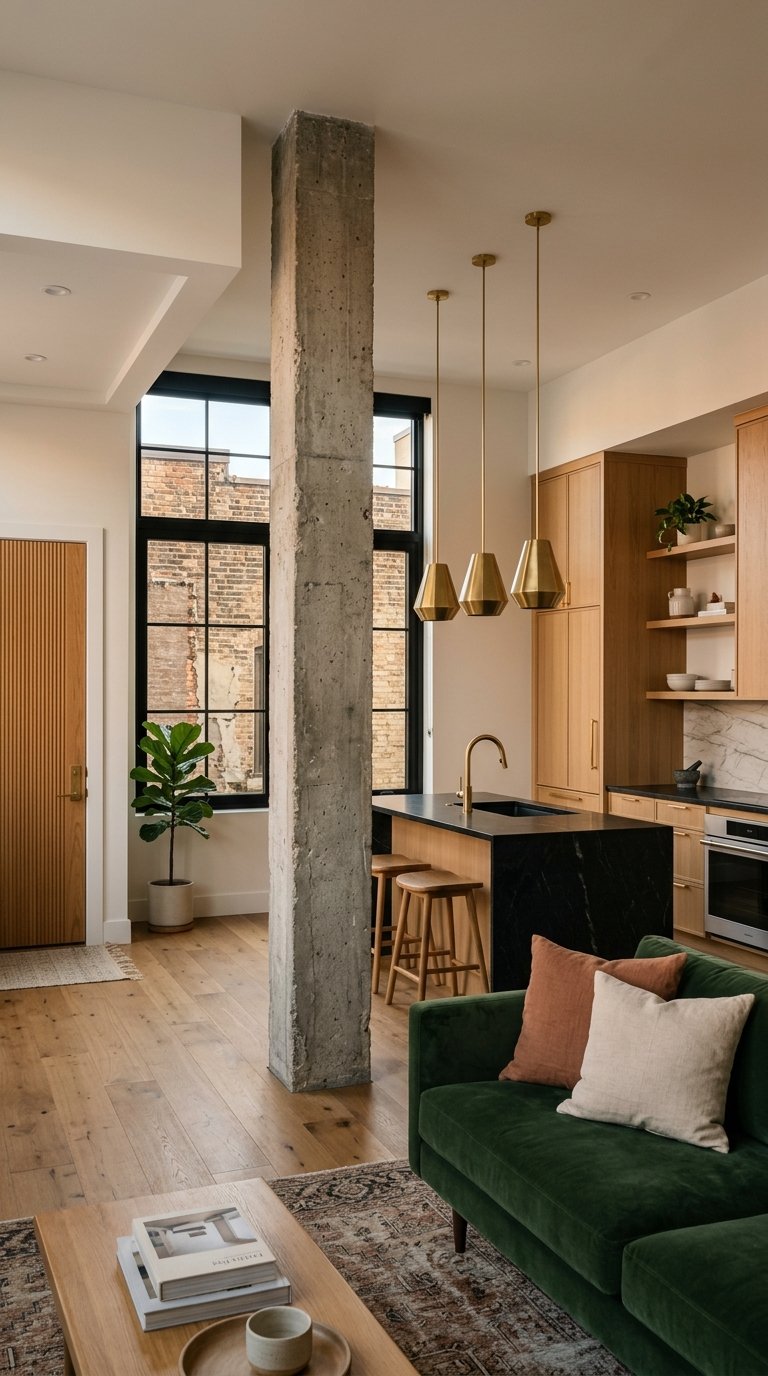
Focus on cabinet refacing, updated appliances, bathroom surface refreshes, neutral repainting, and professional wood floor refinishing. When you can, repair original elements such as sash windows, mantels, and interior trim. The National Park Service details preservation‑minded masonry and materials guidance that can inform scope and reassure buyers: NPS masonry guidance.
Staging helps buyers visualize how spaces live and can shorten time on market. If you prioritize, stage the living room, kitchen, and primary bedroom. The National Association of Realtors shares data on what resonates with buyers: NAR staging insights.
Carroll Gardens is known for its front gardens and classic stoops, which are part of the neighborhood’s appeal. Clear beds, tidy the areaway, and touch up ironwork paint. Avoid permanent exterior changes without confirming LPC requirements.
Hire a photographer who understands brownstone proportions and light. Ask for detail shots of original features along with parlor‑level compositions and a strong street‑level exterior. If you plan on‑site signage, confirm local and LPC parameters with your agent before attaching anything to the façade.
Spring and early fall often deliver the strongest buyer activity. Carroll Gardens is a high‑price, low‑inventory market, which supports careful positioning and professional presentation. For price setting and timing, review current neighborhood metrics and comps on StreetEasy’s Carroll Gardens snapshot.
Focus on fixes that remove friction. Stop active leaks, address electrical hazards, correct obvious pest or deterioration evidence, and publish a clear pre‑listing inspection report. This helps reduce contingency disputes and keeps momentum.
Selling a historic Brooklyn townhouse is part architecture, part market strategy, and part choreography. You deserve an advisor who understands how LPC, DOB, and lender requirements intersect with pricing, positioning, and presentation. With architectural training, development experience, and a boutique, high‑touch approach, we help you plan preservation‑sensitive updates, assemble the right documentation, and launch with curated marketing that reaches qualified local and international buyers.
If you are considering a sale in the next 3 to 12 months, let’s map your timeline and scope now so you can enter the market with confidence. Schedule a private consultation with Donald Brennan.
Stay up to date on the latest real estate trends.
August 20, 2026

August 13, 2026
August 13, 2026

August 6, 2026
July 23, 2026

July 16, 2026

July 9, 2026

July 2, 2026
June 25, 2026