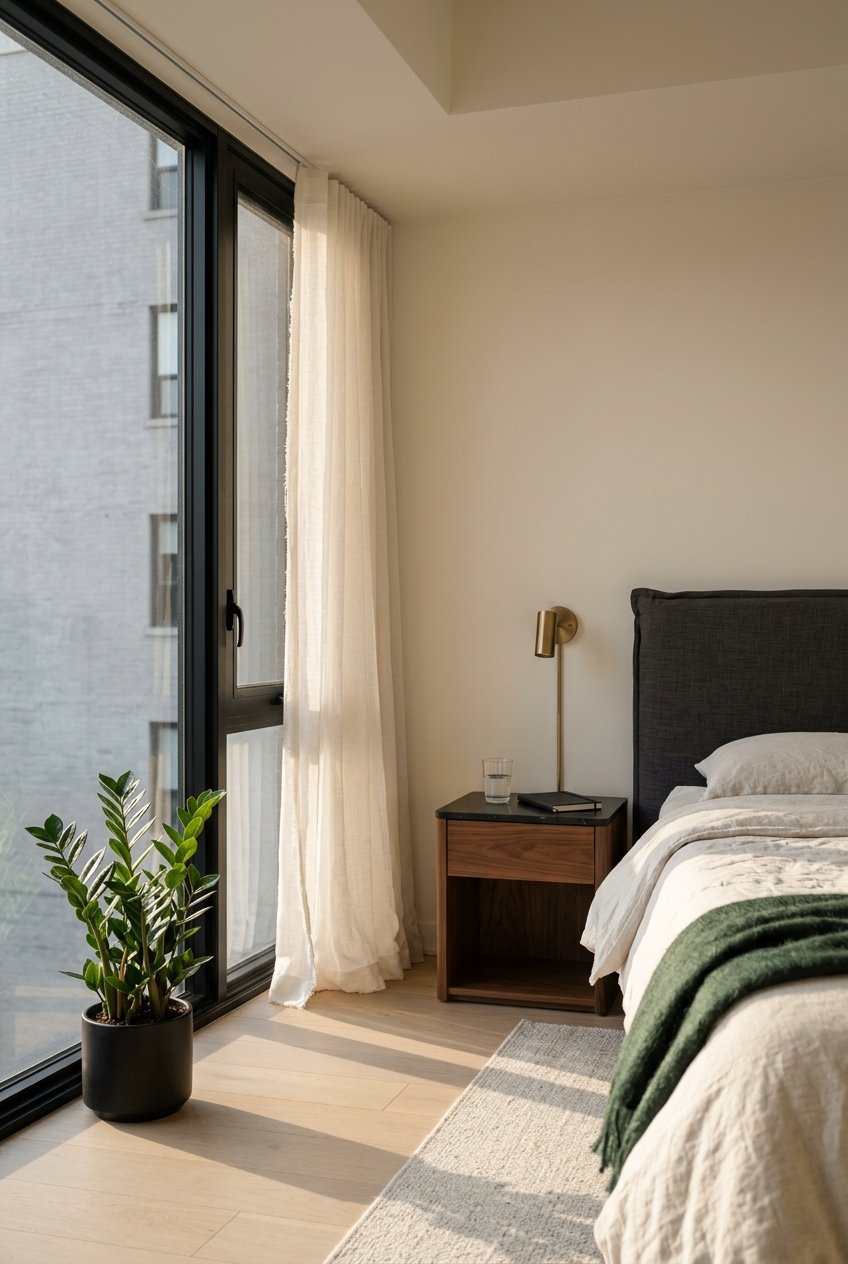
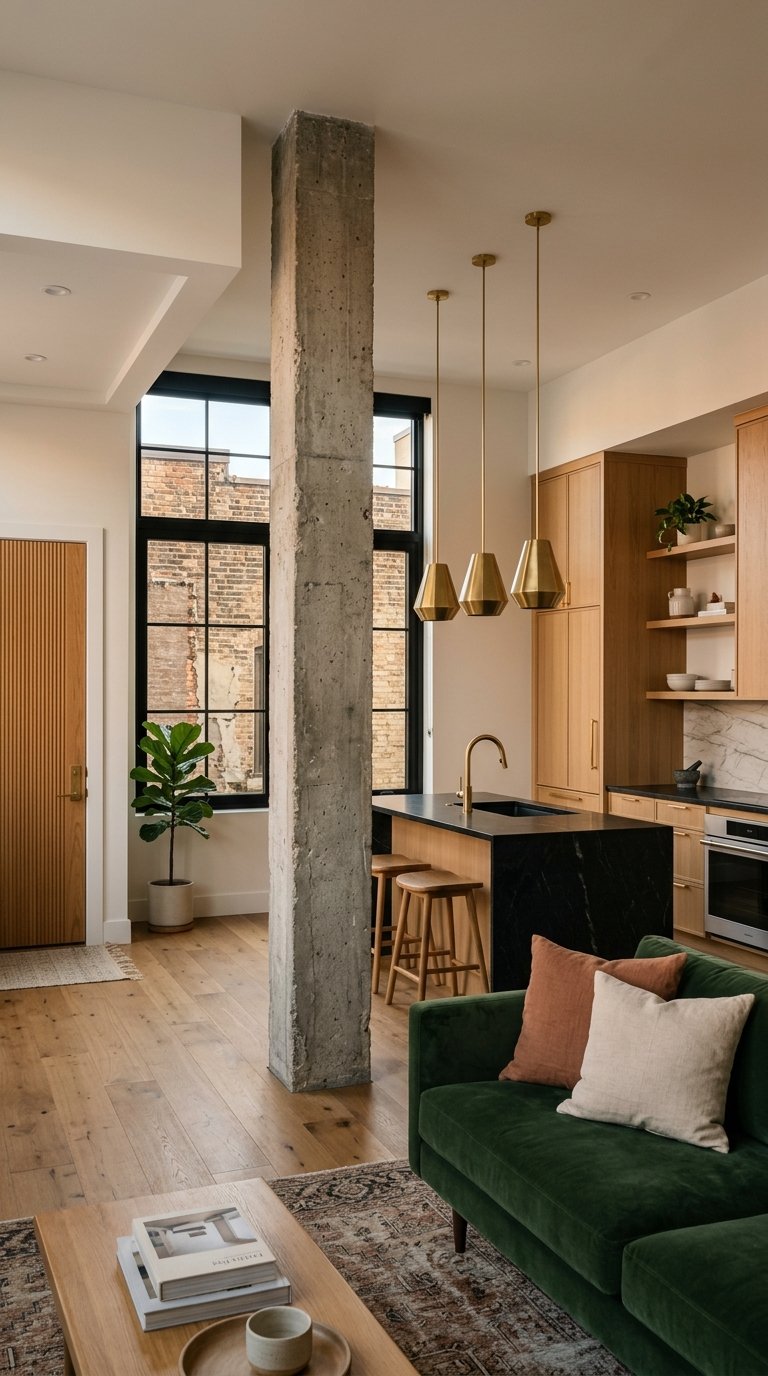
Thinking about turning a Boerum Hill rowhouse into a boutique condominium? You are not alone. The neighborhood’s brownstone charm, buyer demand, and compact footprints make small 2–5 unit conversions attractive. In this guide, you will learn the zoning and landmark basics, the regulatory steps, smart unit-mix ideas, what finishes local buyers expect, and a practical checklist to de‑risk your timeline and budget. Let’s dive in.
Why Boerum Hill fits small condos
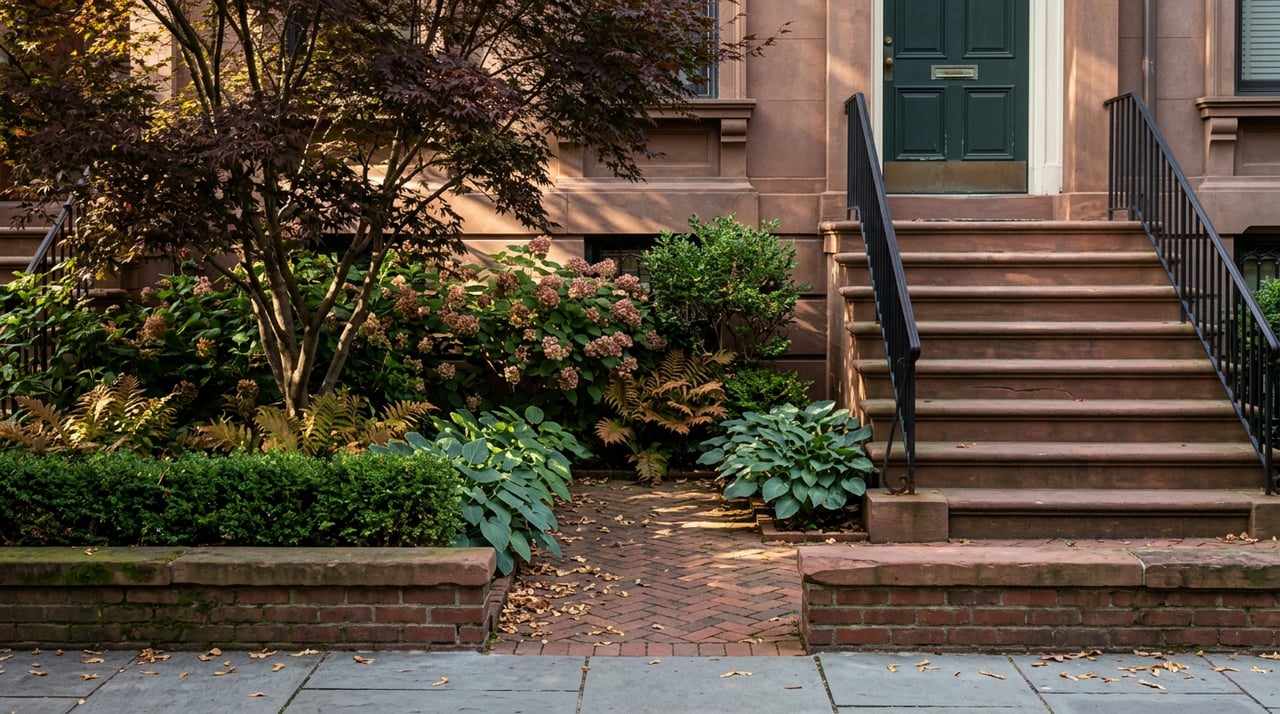
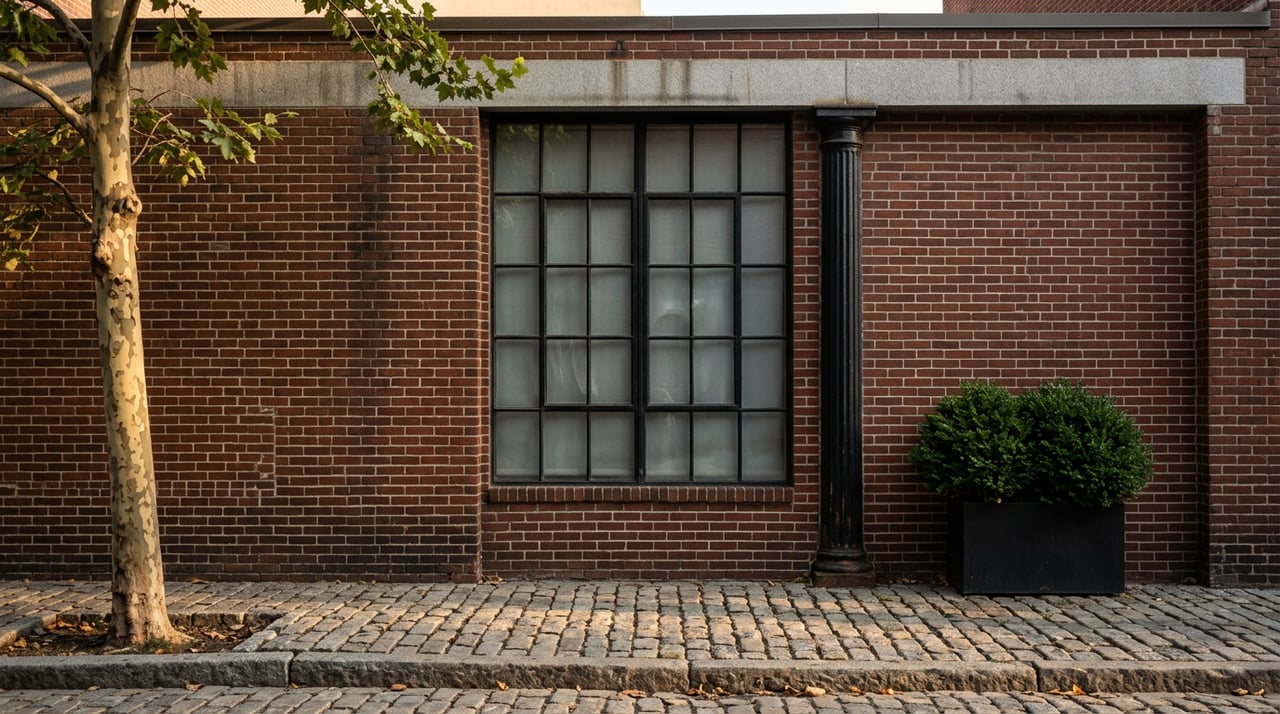
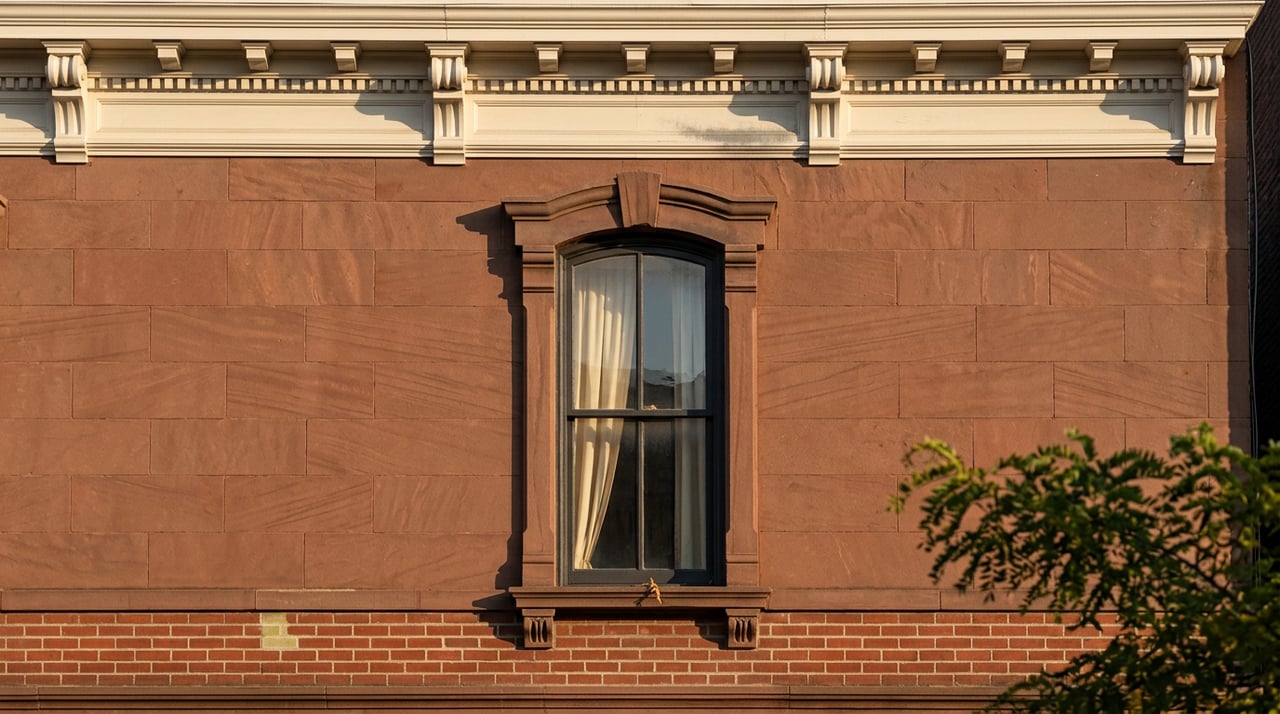
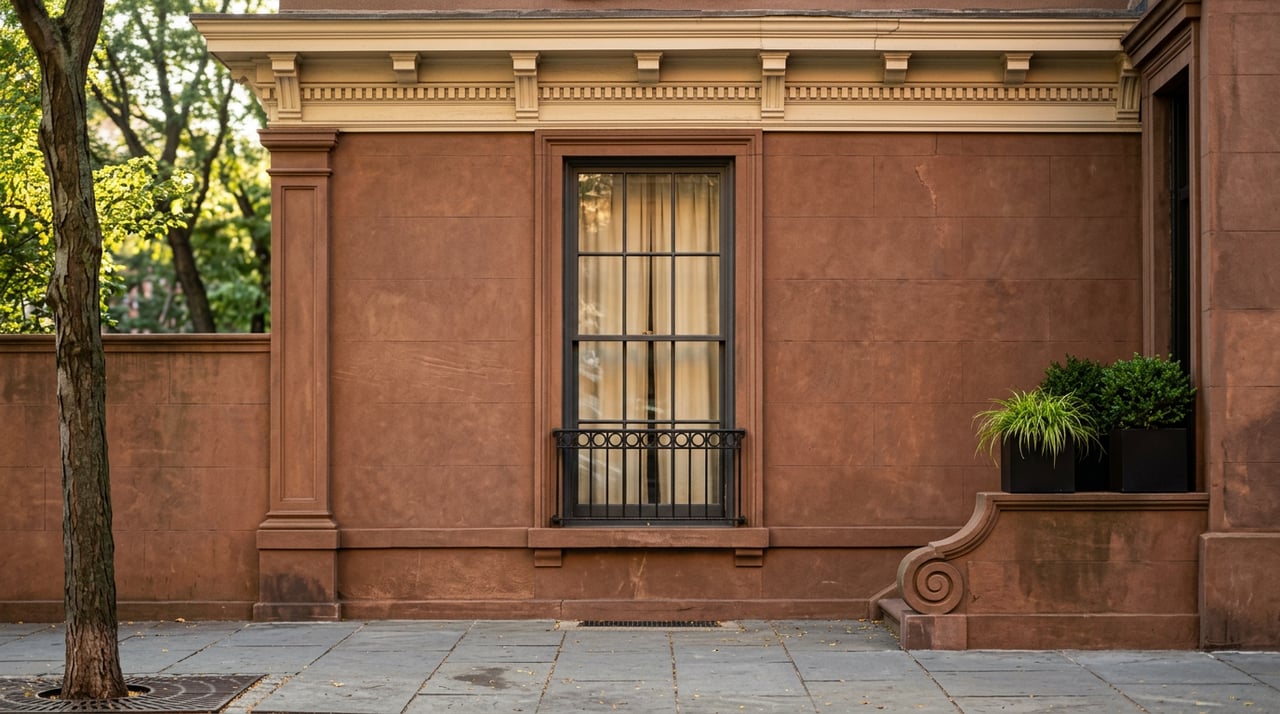
Boerum Hill is a low‑rise brownstone neighborhood with a protected historic district first designated in 1973 and expanded in 2018. The district’s intact 19th‑century brick rowhouses set the scale and façade expectations for new work. If your building falls within these boundaries, review the Boerum Hill Historic District designation report early.
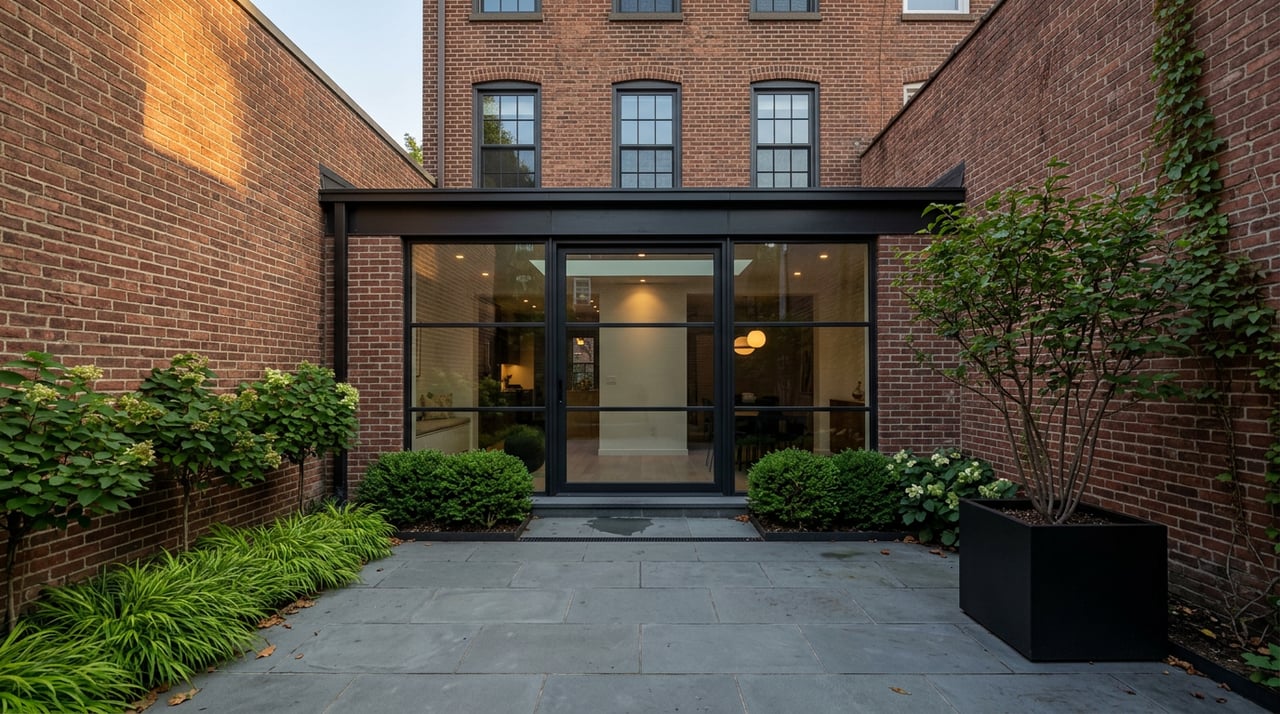
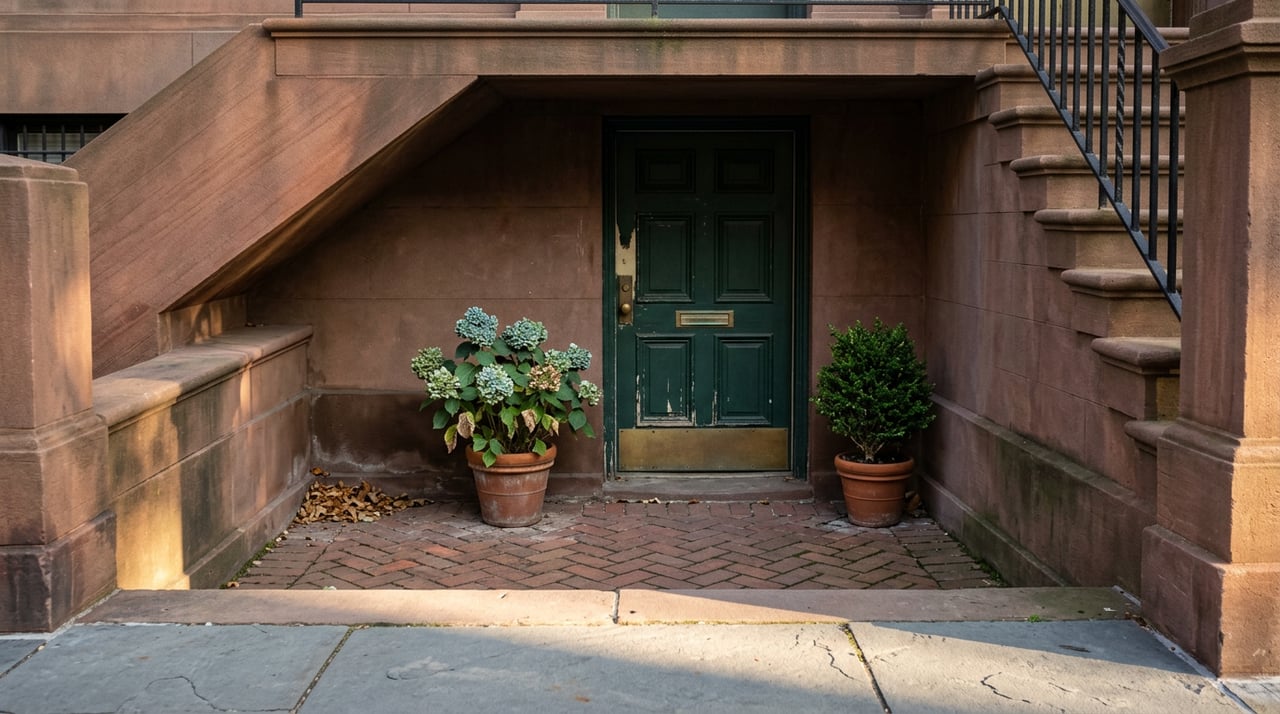
Most townhouses here are narrow and deep. Lots are often about 18–22 feet wide and 80–100 feet deep. That footprint favors a parlor‑level living floor, a garden‑level duplex, and stacked upper units with roof access where permitted. Narrow widths shape kitchen runs, stair placement, and bedroom counts, so early layout studies are key.
Zoning and FAR in plain English
Most side streets map to R6B, a contextual rowhouse district. Under Quality Housing rules, you typically work with a residential FAR around 2.0, plus height and streetwall controls that keep buildings in scale with neighbors. For a quick check of bulk and FAR principles, see the city’s summary of the R6 contextual envelope in this R6B contextual envelope and FAR basics.
Simple math example: a 20 x 100 foot lot is 2,000 square feet. At FAR 2.0, the theoretical gross residential floor area is about 4,000 square feet. Remember that circulation, mechanicals, and code‑chargeable common areas count inside GFA. Confirm rear‑yard and streetwall rules for your block using the city’s illustrated Housing Opportunity guide and always verify the mapped district and any overlays on the city map before you underwrite.
Approvals and sequence you should expect
The conversion path follows a set order. Lining up the pieces early keeps you on schedule.
- Landmarks review. If your property sits in the historic district or the work is visible from a public way, you will need Landmarks sign‑off. Expect review of façade materials, windows, stoops, roofline changes, and rear additions. Start with the Boerum Hill Historic District designation report and plan a pre‑application conversation if you are altering the exterior.
- DOB filings and a new Certificate of Occupancy. A conversion that changes the number of dwelling units usually triggers an Alteration Type 1 filing, which leads to a new or amended CO. Your architect will address egress, fire separation, plumbing, and electrical compliance. The DOB’s process overview in the city’s Alteration Type 1 filing guidance is a helpful primer.
- Fire protection and egress. Adding units often brings sprinkler, alarm, and flow‑test requirements. Confirm triggers with a code consultant and the FDNY. Reference the FDNY rules on converted dwellings during early design.
- Condo offering plan. Selling individual units is a securities offering in New York. Most sponsors file with the NYS Attorney General’s Real Estate Finance Bureau. Search examples and guidance in the NYS Attorney General’s Real Estate Finance Bureau database and work from the state’s e‑submission checklist for offering plans. Retain counsel with condo offering experience.
- Tax map apportionment and recording. After the plan is effective, you must apportion unit tax lots with the Department of Finance and record the declaration and certified floor plans in ACRIS. This creates the separate tax parcels you will sell. Review a practical condominium apportionment and ACRIS recording overview.
If tenants are present, additional tenant‑protection and rent‑regulation issues can apply. Engage counsel early.
Crafting the right unit mix
For a 20 x 100 lot at about 4,000 gross square feet, two common approaches work well in Boerum Hill.
- Scenario A — 3 units with an owner duplex
- Parlor + garden duplex about 1,600–1,800 square feet with 3 bedrooms, 2.5 baths, and private garden access.
- Two upper units about 1,100–1,200 square feet each with 2 bedrooms and 2 baths.
- Common areas plus potential roof access, subject to LPC and DOB.
- Scenario B — 4 units with smaller footprints
- Two 1‑bedroom units at about 800–900 square feet.
- Two 2‑bedroom units at about 1,000–1,200 square feet.
The right mix depends on your block, light, and outdoor space options. A premium parlor‑garden duplex can anchor the offering and attract owner‑occupiers, which often supports pricing and absorption.
Finish level and amenities that sell
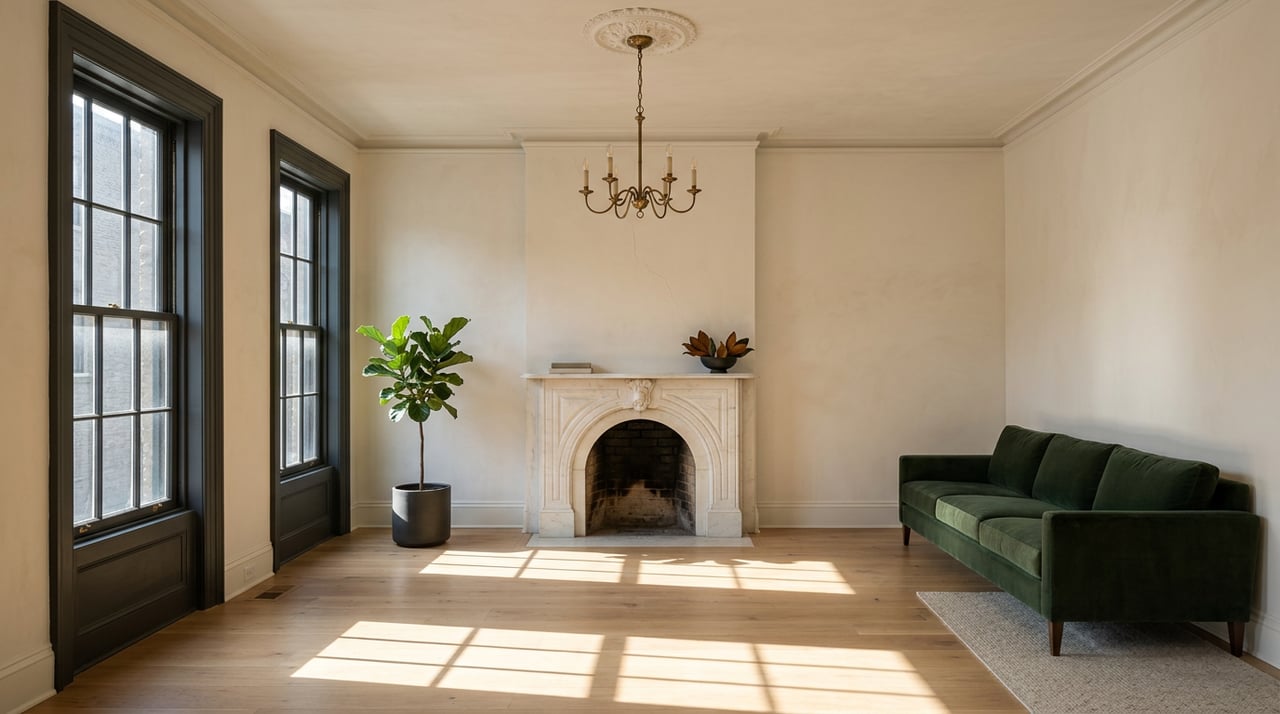
Boerum Hill buyers expect quality that respects the historic fabric with modern comfort. Prioritize:
- In‑unit laundry and practical storage.
- High‑caliber kitchens with stone counters, integrated appliances, and durable cabinetry.
- Acoustic separation with STC‑rated assemblies and thoughtful mechanical placement.
- Private outdoor space where feasible, such as garden access, terrace, or a compliant roof deck.
- Modern systems including efficient HVAC, upgraded electrical service, and new meters.
Local incomes are strong, and education levels are high. That supports a higher finish standard. Validate feature sets and pricing with current, block‑level comps before you lock your budget.
Pricing, marketing, and absorption
Use multiple data feeds for underwriting because small sample sizes and townhouse trades can skew neighborhood medians. Build a weighted comp set and stress‑test for slower absorption or modest discounts if your product lacks outdoor space or a showcase duplex.
For 2–4 unit offerings, launch your best unit first to set the tone. Stage and photograph to highlight parlor heights, garden access, and acoustic comfort. A thoughtful release plan helps velocity. If you work with a sales partner who blends development insight with global reach, you can pair accurate pricing with broader exposure to motivated buyers.
Feasibility checklist and timeline
Run this checklist before you bid or right after you tie up a property:
- Confirm zoning, FAR, and Quality Housing controls for the specific lot. Use the city’s summary of R6 contextual bulk as a starting point for the math in the R6B contextual envelope and FAR basics.
- Check historic‑district status and study the Boerum Hill Historic District designation report. Any exterior work visible from the street or yards may need LPC approval.
- Pull DOB records to confirm the current CO, past filings, and open violations. Plan for an Alt‑1 and a new or amended CO. See the DOB overview in the Alteration Type 1 filing guidance.
- Do an early code review of stairs, exits, fire separation, and sprinkler or alarm triggers. Reference FDNY rules on converted dwellings.
- Speak with a lawyer experienced in condo offering plans. Check the NYS Attorney General’s Real Estate Finance Bureau database and align your timeline with the e‑submission checklist for offering plans.
- Order a survey, measured drawings, and site topo if you plan yard or roof changes.
- Build a conservative pro forma with 15–20 percent contingency and adequate sales reserves.
Typical timeline for small conversions:
- Feasibility and design: 1–3 months.
- Permitting with DOB and, if needed, LPC: 2–6 months.
- Construction: 4–12 months depending on scope.
- Offering plan drafting and AG review: measured in weeks to months. Start legal work in parallel with construction using the state’s e‑submission checklist for offering plans.
Common pitfalls to avoid
- Pricing to a neighborhood median instead of street‑level comps.
- Underestimating LPC scope and timelines for visible exterior work.
- Delaying offering‑plan prep until listing, which can push closings.
- Overlooking DOB records or violations that can block a new CO and stall closings.
A partner for Boerum Hill conversions
If you want more than marketing, work with an advisor who understands rowhouse construction, approvals, and product positioning. Brennan Global Properties blends architectural fluency with boutique sales execution and property management. You get development‑informed pricing, curated marketing, and access to broader buyer networks. Ready to map your path from rowhouse to sellable condos? Schedule a private consultation with Donald Brennan.
FAQs
What approvals are required to convert a Boerum Hill rowhouse to condos?
- Expect Landmarks review if work is visible, a DOB Alt‑1 and new CO, an offering plan filing with the NYS Attorney General, and DOF tax map apportionment with ACRIS recording.
How does R6B zoning affect my buildable square footage?
- In R6B, Quality Housing rules often yield about FAR 2.0, so a 2,000 square foot lot translates to roughly 4,000 gross residential square feet before deductions and envelope limits.
Do I need Landmarks approval for a roof deck or rear addition?
- If your property is in the Boerum Hill Historic District and the work is visible from a public way, LPC review applies and can shape design, materials, and timeline.
What triggers an Alteration Type 1 filing and a new CO?
- Changing the number of dwelling units or legal occupancy typically triggers an Alt‑1, which leads to a new or amended Certificate of Occupancy.
Will I need sprinklers and a fire alarm when adding units?
- Many multi‑unit conversions trigger sprinklers, alarm systems, and FDNY flow testing; confirm specifics during early code review with your architect and consultant.
How long does a small Boerum Hill conversion take?
- A typical path runs 1–3 months for feasibility and design, 2–6 months for permitting, 4–12 months for construction, and weeks to months for offering‑plan review.
What unit mixes work best in narrow brownstones?
- Popular mixes include a premium parlor‑garden duplex plus two upper 2‑bedroom units, or four smaller 1–2 bedroom units to widen the buyer pool.
Which finishes do local buyers expect in boutique condos?
- In‑unit laundry, high‑quality kitchens and baths, strong acoustic separation, modern HVAC, upgraded electrical service, and private outdoor space where possible.
How should I approach pricing for a 2–4 unit offering?
- Use a weighted comp set from multiple sources, test a range of absorption and discounts, and consider leading with the premium duplex to anchor price perception.