Thinking about repairing your stoop, replacing windows, or adding a rooftop amenity in Brooklyn Heights? You want to honor the neighborhood’s historic character while improving your home, yet the approval steps can feel opaque and slow. This guide breaks down how landmark approvals work here, what documents you need, realistic timelines, and the design choices that tend to win support. You will also learn how to avoid costly missteps that can threaten your schedule and resale. Let’s dive in.
What landmark approval covers
Brooklyn Heights is one of New York City’s earliest historic districts, and exterior changes visible from a public right of way are reviewed by the NYC Landmarks Preservation Commission. LPC approval is typically required before you start construction and before you file for Department of Buildings permits. Community Board 2 and civic groups such as the Brooklyn Heights Association often comment, but LPC has final regulatory authority.
Work inside a historic district must meet preservation guidelines that protect the streetscape. You should assume that any visible exterior work will be reviewed for compatibility, scale, placement, and materials. Interior work that does not affect the exterior or visible features is usually outside LPC review, but DOB rules still apply.
When you need LPC review
You will need LPC review for most exterior work that changes what the public can see. Typical examples include window and door changes on primary facades, stoop and railing work, brownstone or brick restoration, and visible rooftop additions or bulkheads. Mechanical equipment that can be seen from the street, such as condensers or exhausts, may also require review and screening.
Some projects proceed through staff-level review if they meet established guidelines and are minor, reversible, or non-visible. Larger or more visible work, including rooftop additions, storefront changes, demolition, or new construction, is usually scheduled for a public hearing and Commission vote.
The approval paths
LPC uses two main paths. Staff review handles smaller items that conform to guidelines, often with a straightforward submission of photos, drawings, and material data. Larger, visible, or precedent-setting proposals go to a public hearing, where the Commission hears comments and votes on the application.
Outcomes can include approval, approval with conditions, a request for revisions, or denial. If approved, you receive formal documentation that allows permit filing with DOB. Keep in mind that LPC approval does not replace DOB permitting.
Step-by-step game plan
Pre-application prep
- Confirm your property’s status in the Brooklyn Heights Historic District and whether it has any individual landmark designation.
- Consider an informal pre-application conversation with LPC staff to flag issues early and confirm documentation needs.
- Engage an architect with LPC experience, and depending on scope, a preservation consultant or expeditor who can coordinate filings.
Assemble a complete package
- Prepare existing-condition photos, including street context and close-ups of elements you plan to change.
- Develop scaled drawings that show existing and proposed elevations, roof plans, sections, and details with profiles and connections.
- Provide material samples or manufacturer cut sheets for windows, masonry, metalwork, railings, roofing, signage, lighting, and paint colors.
- Write a concise scope and rationale. Include historic photos or prior approvals if they support your approach. For co-ops, add board authorization if required.
- Identify your design and construction professionals and confirm licensing where applicable.
Submit and review
- For minor work, file for staff review and respond promptly to any requests for clarifications or additional materials.
- For visible or larger projects, prepare for the public calendar. Community comments and staff recommendations are typical, and you should be ready with visualizations that show views from public streets.
- After an LPC decision, finalize any conditions and proceed to DOB filings and inspections.
How long it takes
Timing varies with scope and completeness, but you can plan around these representative ranges:
- Pre-application consultation: about 2 to 6 weeks to schedule and receive feedback.
- Staff approval for minor work: often 2 to 8 weeks from submission to decision.
- Public hearing path: typically 1 to 4 months to be calendared, with decisions often at the hearing. Revisions can add cycles.
- DOB permits after LPC approval: about 2 to 8 weeks, longer for complex filings.
Overall examples you can use for planning:
- Small repairs or like-for-like replacements: roughly 1 to 3 months including staff review and DOB.
- Visible alterations such as new stoops, window programs, storefronts, and many rooftop additions: about 3 to 9 months or longer depending on revisions.
- Demolition or major new construction: many months to a year or more.
Design choices that succeed
Certain features receive close scrutiny in Brooklyn Heights. Focusing on compatibility and visibility will improve your odds of approval.
- Windows and doors. Maintain original openings, proportions, and profiles. Wood is often preferred on primary facades, and historically correct muntin patterns and reveal depths matter. If performance is the goal, interior storm windows and retrofit strategies are often accepted alternatives to visible replacements.
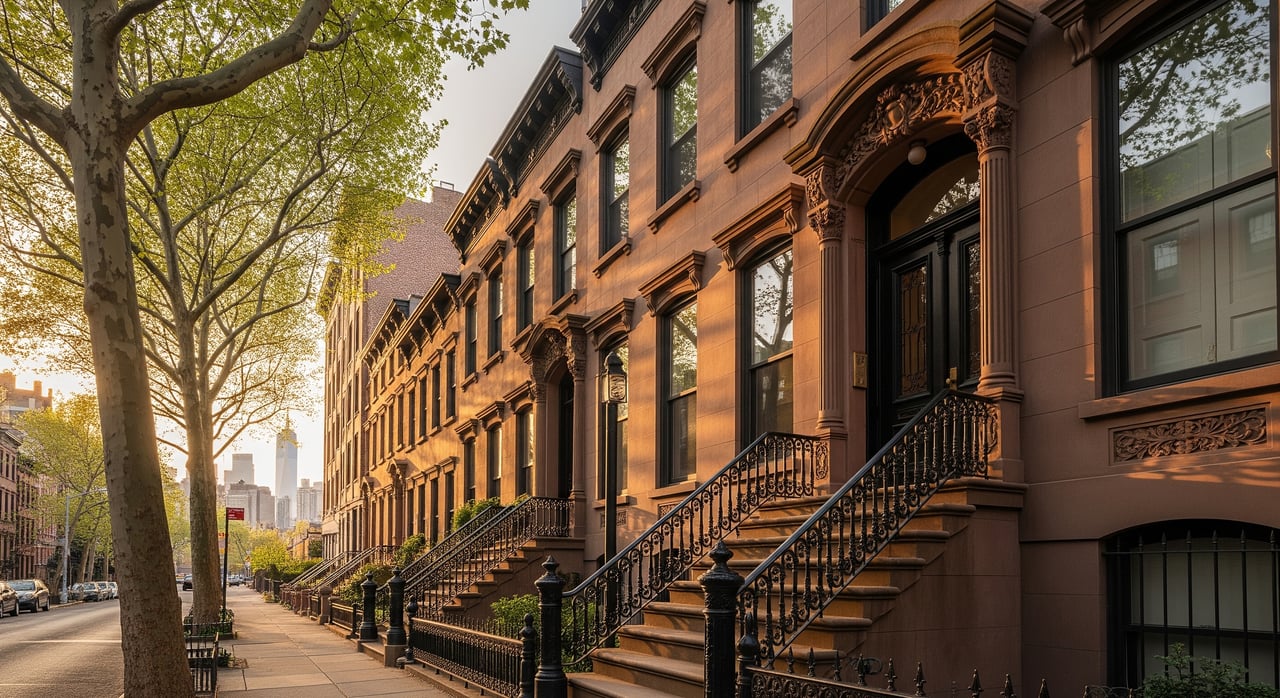
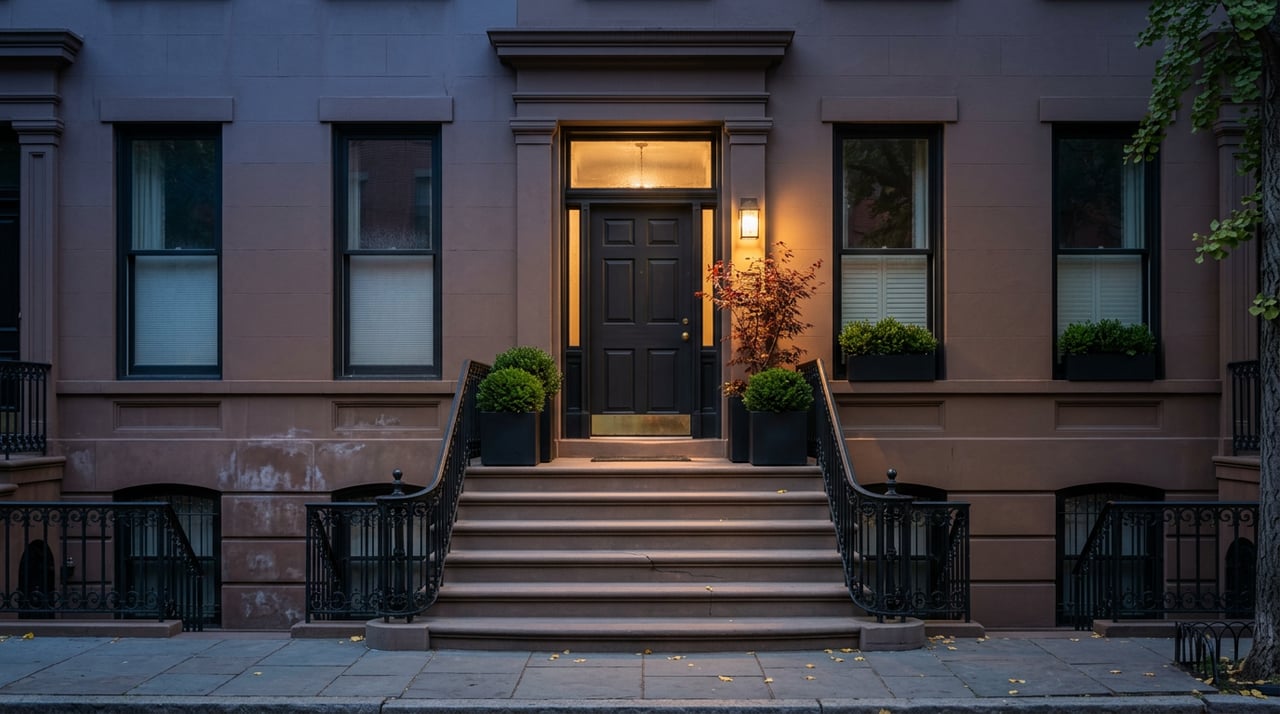
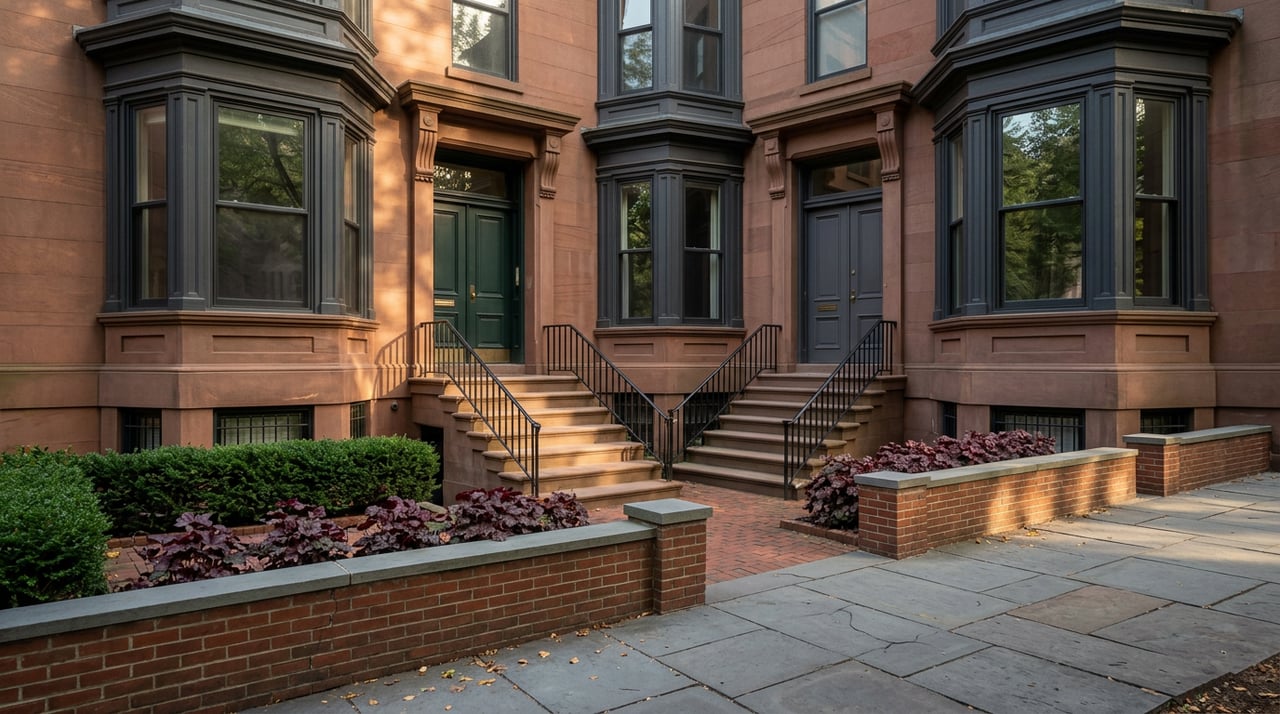
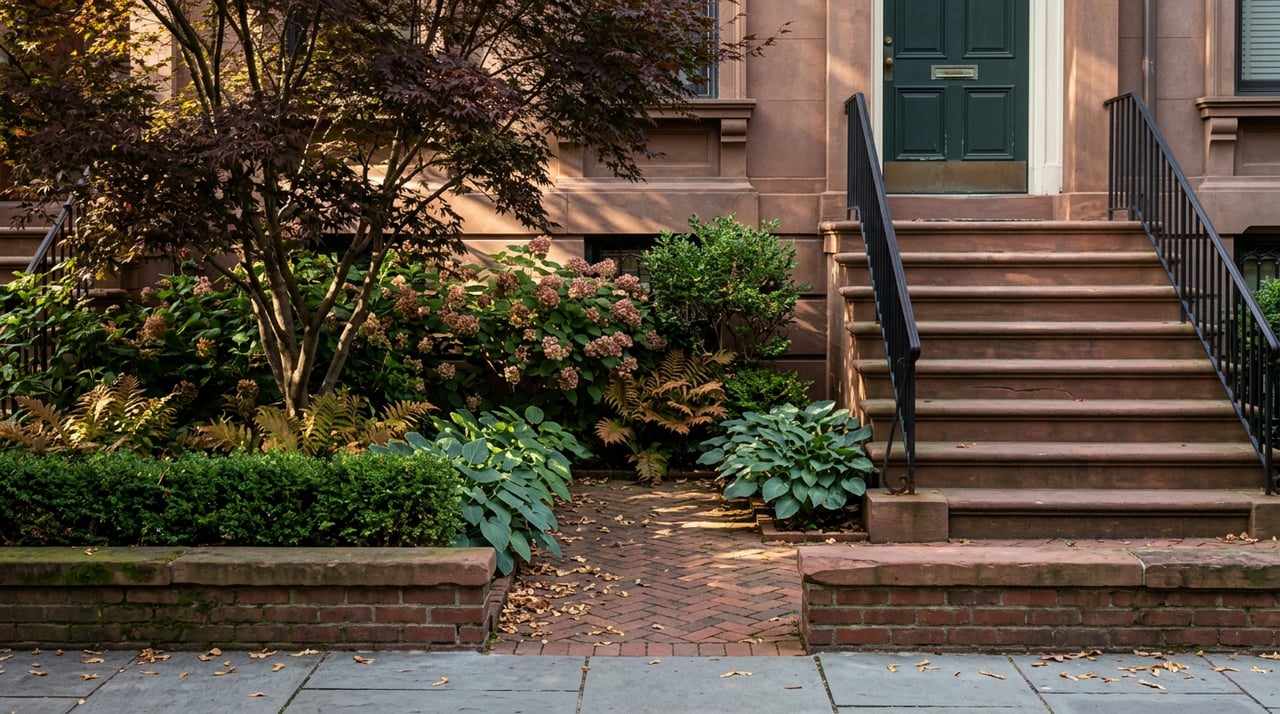
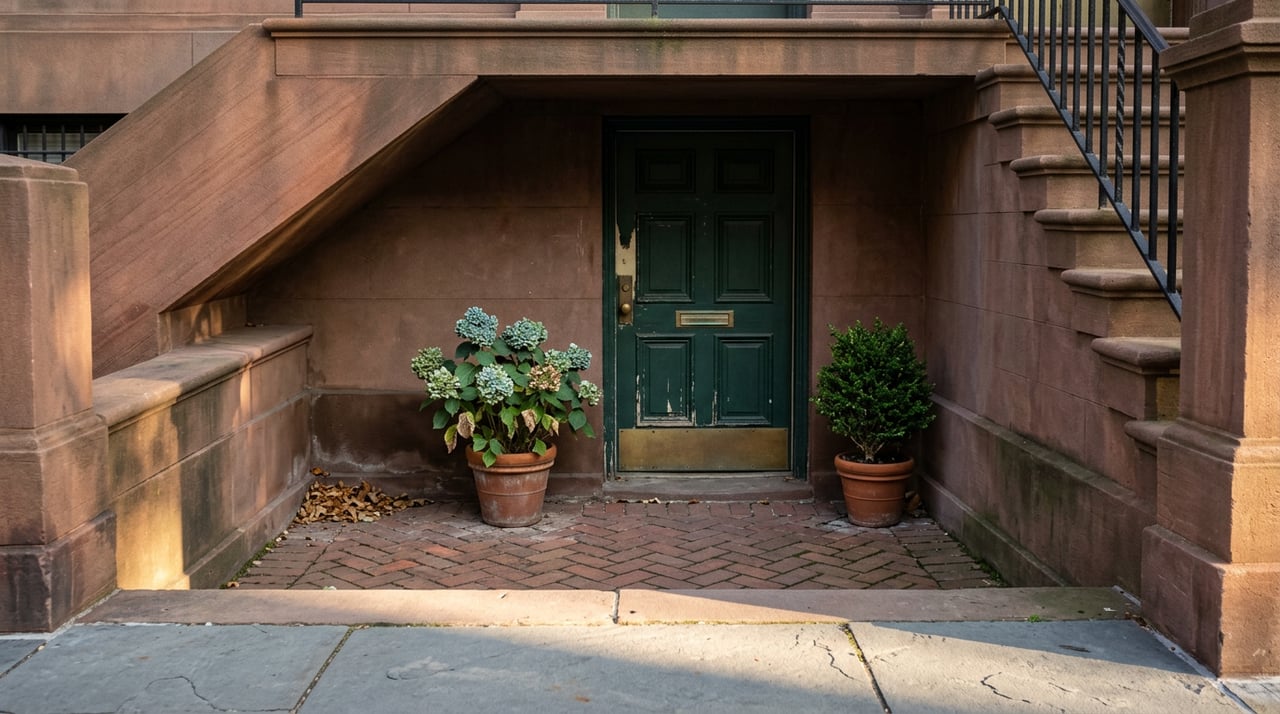
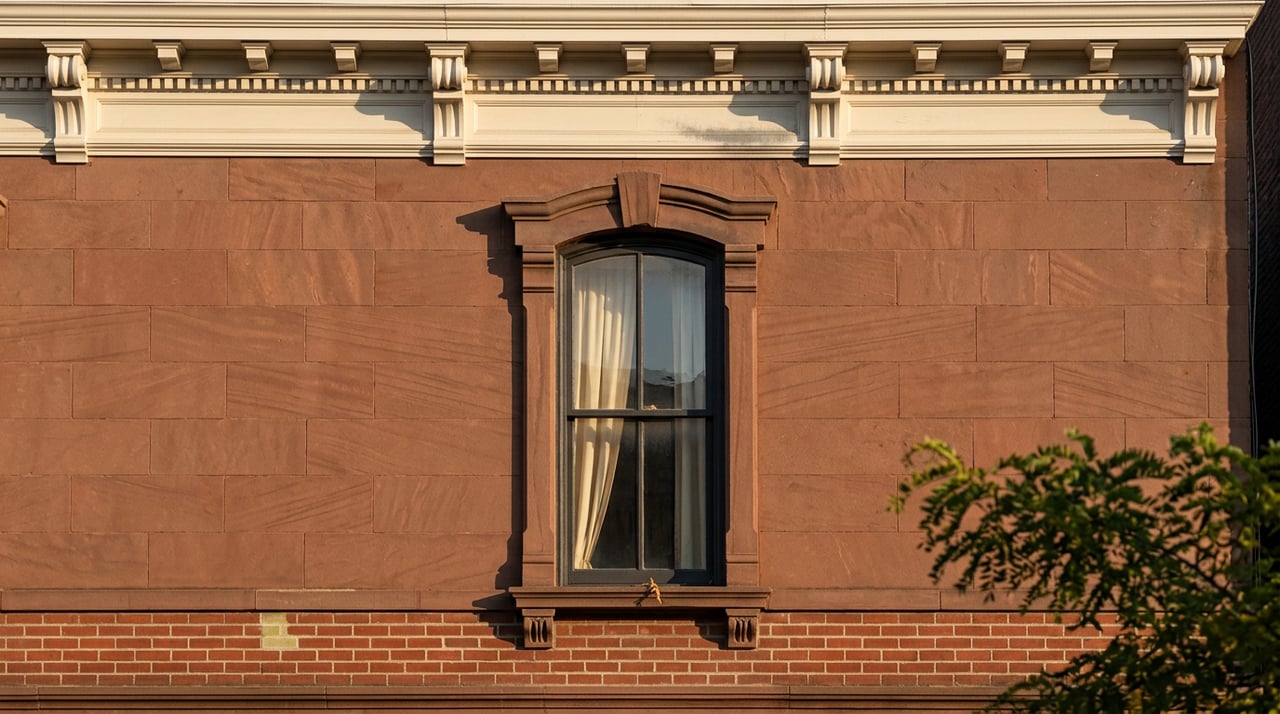
- Stoops, railings, and facades. Match brownstone color and texture, use compatible masonry and mortar profiles, and replicate ironwork profiles and finishes. Patch rather than replace when feasible.
- Cornices and trim. Retain historic profiles. If replacement is necessary, match original profiles and materials as closely as possible.
- Rooftop additions. Set additions back from primary facades, keep them visually subordinate, and minimize visibility from the street. These proposals often require strong precedent and careful massing.
- Mechanical equipment. Place condensers and vents out of public view and provide screening if visibility is unavoidable.
- Energy upgrades. Favor interior improvements and out-of-sight HVAC locations to avoid conflicts with visible historic fabric. Balance performance with street-facing appearance.
Material substitutions may be acceptable when they replicate historic appearance. High-quality aluminum-clad wood or fiberglass windows can work if sightlines and detailing match historic profiles. Poorly matched modern elements, such as visible skylights or replacement windows with incorrect proportions, often face resistance and can reduce perceived historic integrity.
Budget and risk
Plan for both soft and hard costs tied to historic sensitivity and process.
- Professional fees. Expect several thousand dollars in design and application costs even for small projects, with higher fees for complex scopes.
- LPC application fees. Typically nominal compared to construction costs. Confirm current schedules when you are ready to file.
- Construction premium. Restoration-grade masonry, custom wood windows, ironwork, and traditional finishes often cost more than standard options.
- Time is money. Additional rounds of revisions or extended hearings add soft costs, including design hours and financing carry.
- Contingency and insurance. Historic buildings can conceal conditions that require masonry replacement or structural repair. Budget accordingly.
Starting visible exterior work without LPC approval or required DOB permits can trigger stop-work orders, civil penalties, and orders to restore altered features. The correction phase can be far more expensive than doing it right the first time.
Co-ops and condos
For co-ops and many condos, you will need board approvals in addition to LPC and DOB. Coordinate early with the managing agent to confirm building-level constraints such as party walls, structural limits, and shared systems. Secure written board approvals for your records, and keep a clean file of all correspondence and decisions.
For resale, maintain a complete package of LPC approvals, drawings, materials specs, and photos of the finished work. Buyers and their counsel often request this documentation during due diligence.
Avoid common pitfalls
You can reduce risk and shorten timelines by steering clear of predictable missteps.
- Insufficient documentation. Missing scaled drawings, weak photos, or lack of material samples slow reviews and invite deferrals.
- Overreaching proposals. Major alterations to defining street-facing features need strong justification and careful detailing.
- Mismatched proportions and profiles. Incorrect window muntins, sash profiles, or railing patterns are common reasons for revision.
- Visible bulk. Rooftop mass that is clearly visible from the street is a frequent sticking point.
- Demolition of significant fabric. Removing historic elements without a clear, supported rationale is often denied.
Best practices that help
- Show precedent and compatibility using historic photos and examples of similar approved work in the district.
- Propose the least visible, most reversible options first, especially for rooftop or rear-yard proposals.
- Match profiles, sightlines, and materials at primary elevations, and document any substitutions and reasons.
- Provide visualizations, such as photomontages, that demonstrate street views and sightlines.
- Engage a contractor familiar with historic fabric and lead-safe practices for pre-1978 paint disturbance.
Protect future resale
Thoughtful preservation and clean approvals can enhance appeal to buyers who value authenticity. Preserve original fabric where feasible, and choose historically appropriate materials at visible locations. Keep a thorough record of approvals and as-built documentation so future buyers can verify compliance. These steps give you a stronger story at listing time and reduce diligence friction.
Partner with a local advisor
In Brooklyn Heights, the right strategy starts well before you draw the first line. Work with an advisor who understands LPC expectations, DOB filings, co-op and condo boards, and the market value impacts of design choices. If you are planning repairs, replacements, or a more ambitious renovation, you can map a realistic path that balances preservation with performance and resale.
Ready to talk through your goals, scope, and timeline? Schedule a private consultation with Donald Brennan for advisory grounded in architectural training, neighborhood stewardship, and proven approval and sales strategy.
FAQs
Do you need LPC approval to replace windows in Brooklyn Heights?
- If the windows are visible from a public right of way, LPC review is typically required. Interior storm windows and low-visibility strategies are often accepted alternatives.
Can you add a rooftop addition in the Brooklyn Heights Historic District?
- Possibly, but additions must be set back, visually subordinate, and minimally visible. Many rooftop proposals require public hearing and careful massing.
How long does landmark approval take for a Brooklyn Heights project?
- Minor staff-level items often take 2 to 8 weeks. Public hearing cases commonly take 1 to 4 months to reach a decision, with revisions extending timelines.
Are there renovation tax credits for owner-occupied homes in Brooklyn Heights?
- Federal rehabilitation tax credits generally apply to income-producing properties only. Incentives for owner-occupied homes are limited and should be verified.
What happens if you start exterior work without LPC or DOB approvals?
- You risk stop-work orders, civil penalties, and orders to restore altered features. Corrections can be costly and delay your project.
Which professionals should you hire for LPC approvals in Brooklyn Heights?
- A preservation-aware architect, an expeditor or permit professional, and a contractor experienced with historic fabric form the core team. A preservation consultant can help on complex cases.