Choosing Between an Upper West Side Brownstone and Coop
May 7, 2026

May 7, 2026
Choosing between an Upper West Side brownstone and a co-op is not just about square footage or curb appeal. It is really a question of how you want to live, what level of responsibility you want to carry, and how much control you want over the property itself. If you are weighing both options, understanding the ownership structure, maintenance demands, and landmark rules can help you make a smarter decision with fewer surprises. Let’s dive in.
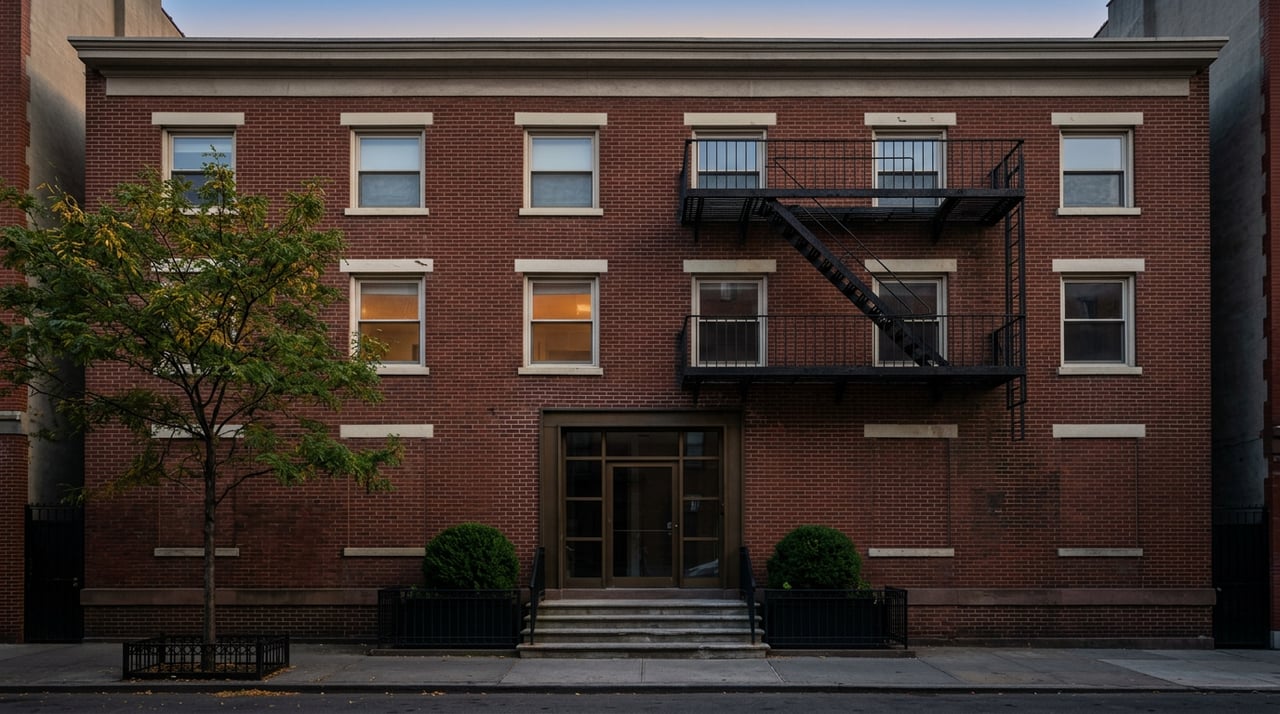
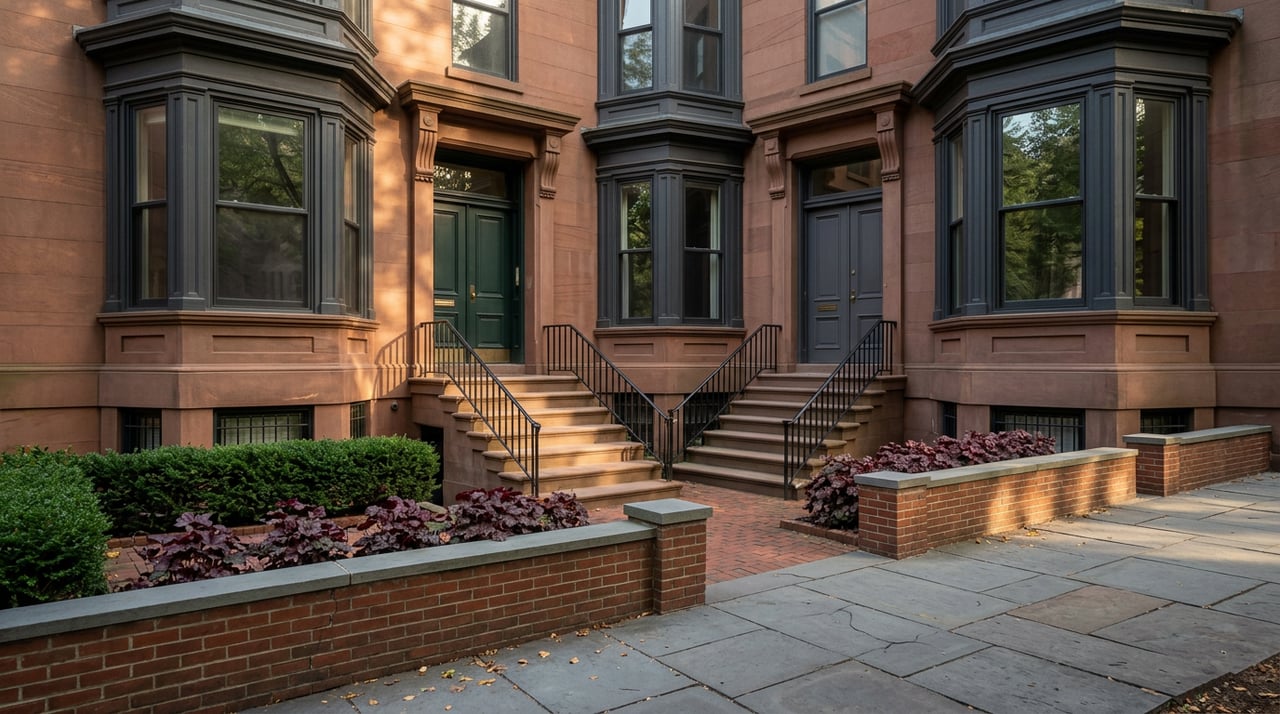
On the Upper West Side, buyers are often comparing two very different housing types in the same neighborhood fabric. The area includes both late-19th-century rowhouses and townhouses, along with apartment buildings that largely date from the 1910s through the 1940s. In practical terms, that often means you are deciding between a side-street house and an apartment in a larger building on or near the avenues.
That matters because the purchase is not just about architecture. It shapes your day-to-day experience of ownership, maintenance, flexibility, and long-term planning. A brownstone gives you direct control over the property, while a co-op places you within a shared governance structure.
If you buy a brownstone or townhouse, you are buying direct ownership and direct responsibility. You make the maintenance decisions, schedule repairs, and carry the cost of major building items as they arise. That level of control can feel liberating, especially if you value privacy and autonomy.
At the same time, ownership comes with practical obligations. New York City places responsibility on homeowners for items such as sidewalk cleanliness, sidewalk repairs, and snow removal. Home maintenance is not optional background work. It is central to protecting both the condition of the house and its financial value.
On much of the Upper West Side, brownstone ownership is shaped by landmark regulation. The area includes several historic districts, including Upper West Side/Central Park West, Riverside-West End, West End-Collegiate, and West 71st Street. If your house sits within one of these districts, many exterior changes require approval from the Landmarks Preservation Commission.
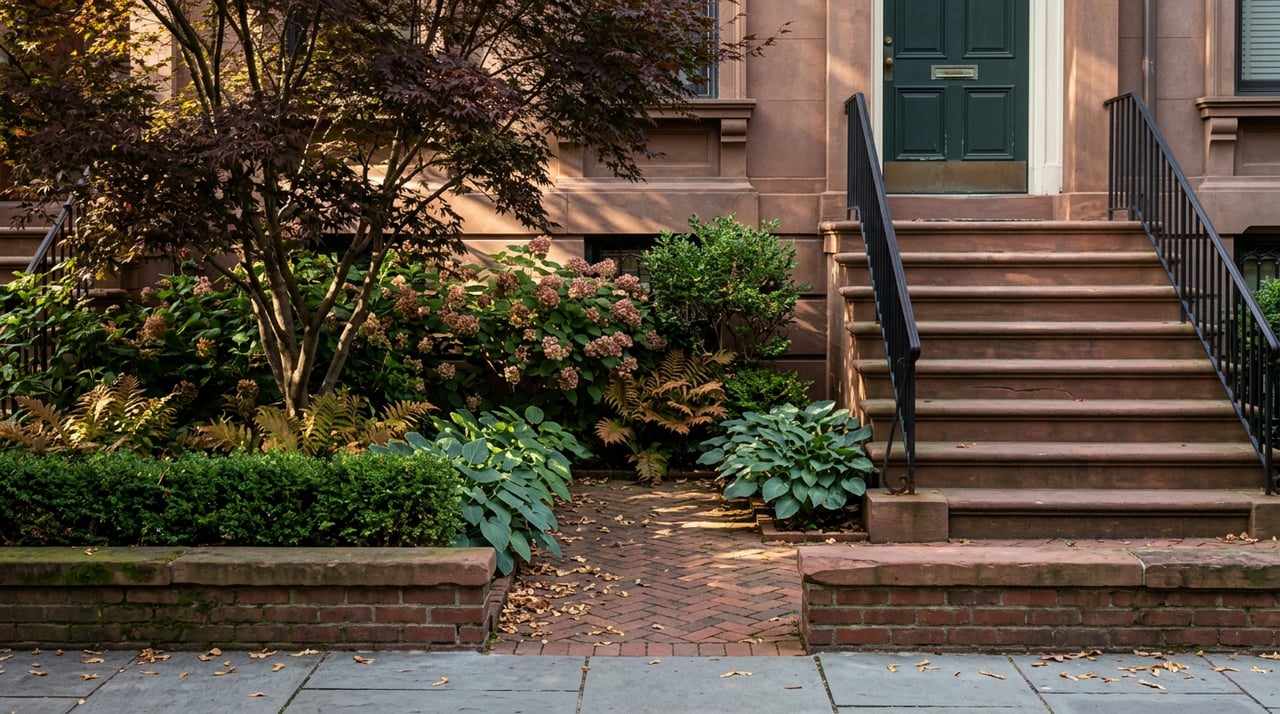
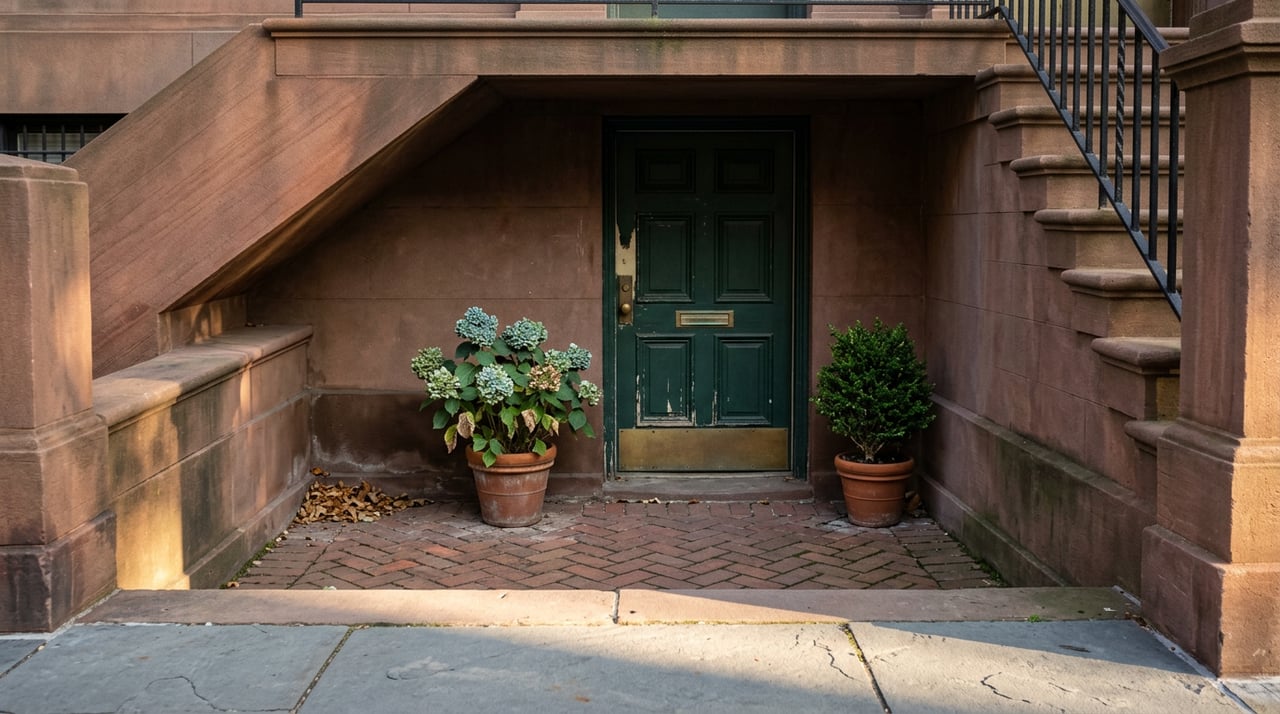
That can include work involving windows, HVAC equipment, masonry, roofs, doors, stoops, fences, and handrails. Some routine work, such as replacing broken glass, repainting with a matching color, or caulking around windows and doors, generally does not require a permit. Still, if you are buying a house, it is wise to understand where ordinary upkeep ends and review requirements begin.
A brownstone can be a strong fit if you want more say over how the property is run. It may also appeal to you if you are comfortable thinking about the building as an asset that needs regular attention over time. On the Upper West Side, that usually means caring about the façade, roof, windows, and permit history, not just the interior layout.
A co-op works very differently. When you buy into a co-op, you purchase shares in a corporation, and those shares are tied to a specific apartment. Your ownership gives you a long-term proprietary lease, and you pay maintenance charges based on the number of shares allocated to your unit.
This structure changes the ownership experience in a fundamental way. You are not solely responsible for the full building, but you are also not the sole decision-maker. The building is governed through a board elected by shareholders, and that board operates under the by-laws, proprietary lease, certificate of incorporation, and house rules.
For many buyers, the biggest co-op distinction is that the building operates through collective rules. That affects how decisions are made, how repairs are handled, and what flexibility you may have around occupancy or subletting. Those terms are not informal. They are built into the governing documents.
That does not make co-op ownership better or worse than owning a house. It simply means your relationship to the property is financial and contractual, rather than fully independent. If you prefer a structured building environment, that may feel reassuring. If you want broad control, it may feel limiting.
If you are deciding between these two paths, one framing is especially useful: do you want to manage the building directly, or do you want to live inside a shared governance structure? That question gets closer to the heart of the choice than simply asking whether you want a house or an apartment.
A townhouse or brownstone usually offers more direct control over renovations and occupancy decisions. A co-op usually offers less individual control, but more shared oversight through the board and house rules. On the Upper West Side, landmark rules can narrow that gap somewhat, because even townhouse owners may need LPC approval for exterior work.
No matter which path you choose, building condition deserves close attention. The difference is where the responsibility sits and how visible the future costs may be.
With a brownstone, you are typically looking directly at the building itself. You will want to understand the condition of the façade, windows, roof, and exterior systems, along with any permit history tied to prior work. If the home is in a historic district, the practical question is not only what needs repair, but also what kind of review may be required before certain work can move forward.
With a co-op, the focus expands beyond the apartment. Existing apartment buildings always need repairs and maintenance, and common expensive items can include façade repairs, roof work, elevator repairs, plumbing upgrades, electrical-system work, and boiler replacements. Those costs can affect the building’s finances and, in turn, your ownership experience.
When evaluating a co-op, a showing tells only part of the story. The New York Attorney General advises buyers to review the offering plan carefully, along with board minutes, financial reports, and violations. Those materials often reveal repair needs or costs that are not obvious when you first walk through the apartment.
That process is one reason co-op purchases require a different mindset. You are not just evaluating the unit. You are evaluating the building corporation, its financial posture, and the decisions being made on behalf of all shareholders.
With a brownstone, due diligence is less about board minutes and more about the property itself. On the Upper West Side, that often means paying close attention to façade history, window condition, roof age, and permit records. For buyers considering older housing stock, these details can shape both immediate costs and long-term planning.
Financing also differs between the two ownership types. Co-op financing is typically structured as a share loan secured by your ownership interest in the co-op corporation and an assignment of the proprietary lease or occupancy agreement. That is different from the financing structure commonly associated with direct ownership of a townhouse.
Property tax administration differs as well in New York City. Co-op owners generally receive property tax information through the management office, while owners who are not in co-ops generally receive their own property tax bills if they pay taxes directly. This may seem like a small distinction, but it reflects the broader difference between individual ownership and building-based administration.
If you are still torn, it helps to match the ownership type to your priorities rather than to an idealized image of city living. The Upper West Side offers both classic houses and established apartment buildings, but the right fit depends on how you want your life to function.
This decision plays out differently on the Upper West Side than it might in a less regulated or less architecturally mixed neighborhood. Here, many buyers are comparing historic side-street houses with substantial apartment buildings in a well-established urban setting. The charm of a brownstone may come with landmark review. The convenience of a co-op may come with board oversight and building-wide financial considerations.
That is why the smartest choice is usually the one that matches both your lifestyle and your tolerance for complexity. If you understand the ownership structure before you fall in love with the property, you are more likely to buy with confidence.
Whether you are comparing a landmarked townhouse to a classic co-op or simply trying to understand how Upper West Side ownership works, careful guidance can make the decision clearer. Donald Brennan brings architectural fluency, development perspective, and thoughtful advisory insight to complex New York housing decisions.
Stay up to date on the latest real estate trends.

September 17, 2026

September 10, 2026
September 3, 2026
August 27, 2026
August 20, 2026

August 13, 2026
August 13, 2026
August 6, 2026
July 23, 2026