Living in West Chelsea by the High Line
May 21, 2026
May 21, 2026
Curious what it’s really like to live near one of Manhattan’s most recognized public spaces? West Chelsea near the High Line offers a distinct mix of art, architecture, waterfront access, and modern residential living that feels different from many other parts of the city. If you are considering a move, an investment, or simply want a clearer sense of the area, this guide will walk you through the neighborhood’s character, housing mix, daily rhythm, and lifestyle advantages. Let’s dive in.
West Chelsea near the High Line sits within Manhattan Community District 4, the area New York City identifies as Chelsea and Clinton/Hell’s Kitchen. The district includes notable destinations such as the High Line, Chelsea’s gallery concentration, and the northern half of Hudson River Park.
This part of Chelsea has been shaped by planning decisions that aimed to support a mixed-use neighborhood, preserve the High Line as public open space, and maintain room for arts-related uses. That helps explain why the area feels layered rather than uniform, with public space, culture, and residential buildings closely woven together.
The High Line is a 1.45-mile elevated former freight rail line turned public park that runs from Gansevoort Street to West 34th Street between 10th and 11th Avenues. Living nearby means you are close to one of the neighborhood’s defining features, not just visually but in your day-to-day routine.
For many residents, the High Line functions as both open space and neighborhood backdrop. It supports walking, public art, and a sense of connection between blocks that might otherwise feel more industrial or more residential. Its presence also gives West Chelsea a strong identity that is easy to recognize.
West Chelsea began as an industrial and warehousing district, and that history still shows in the streetscape. The area’s landmark and planning records describe warehouses and factories that were later adapted for galleries and art-related businesses.
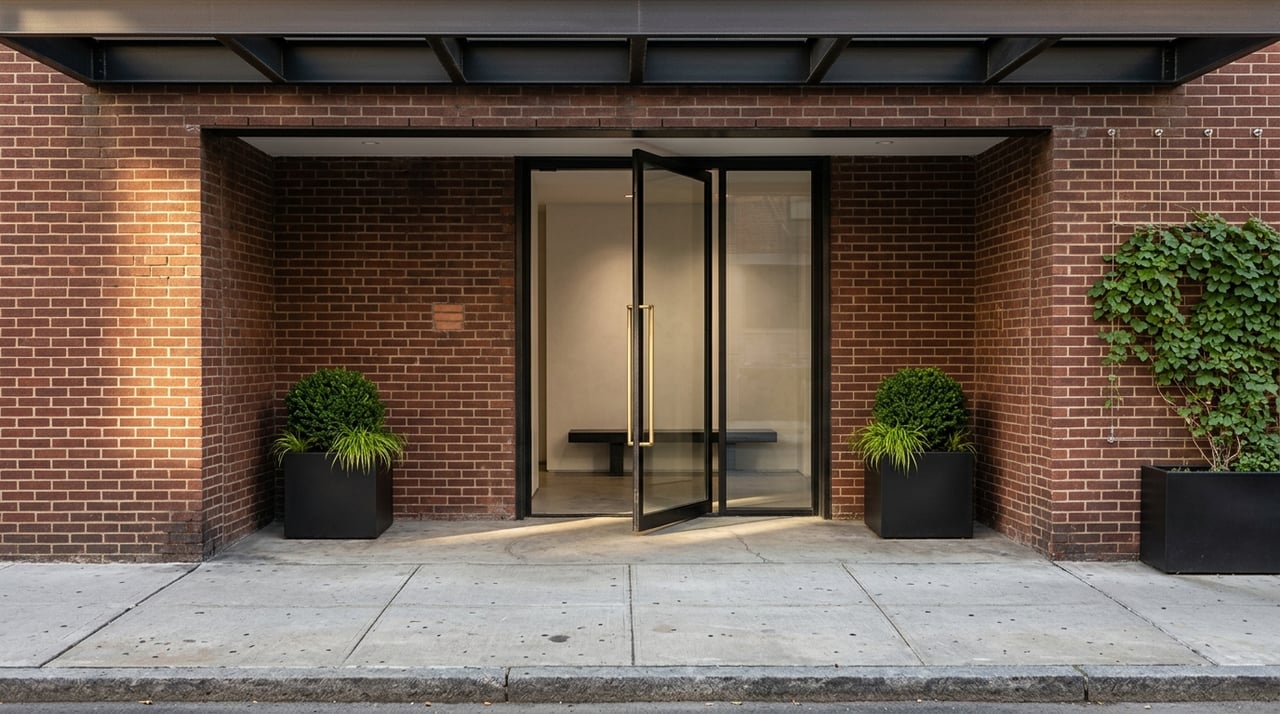
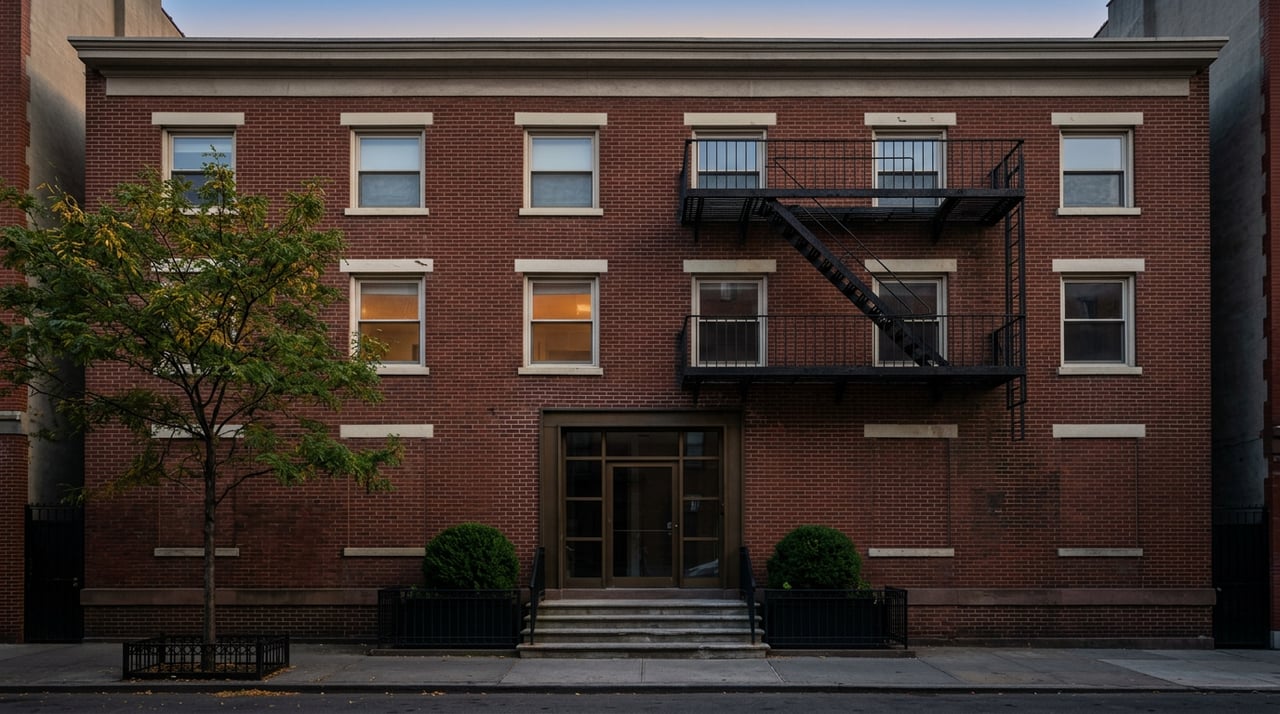
Today, the built environment includes converted loft buildings, small walk-up tenements, and newer elevator apartment buildings. Planning materials also note that many of the newer homes are luxury units with high rents, which has contributed to a housing stock that often feels design-forward and distinctly urban.
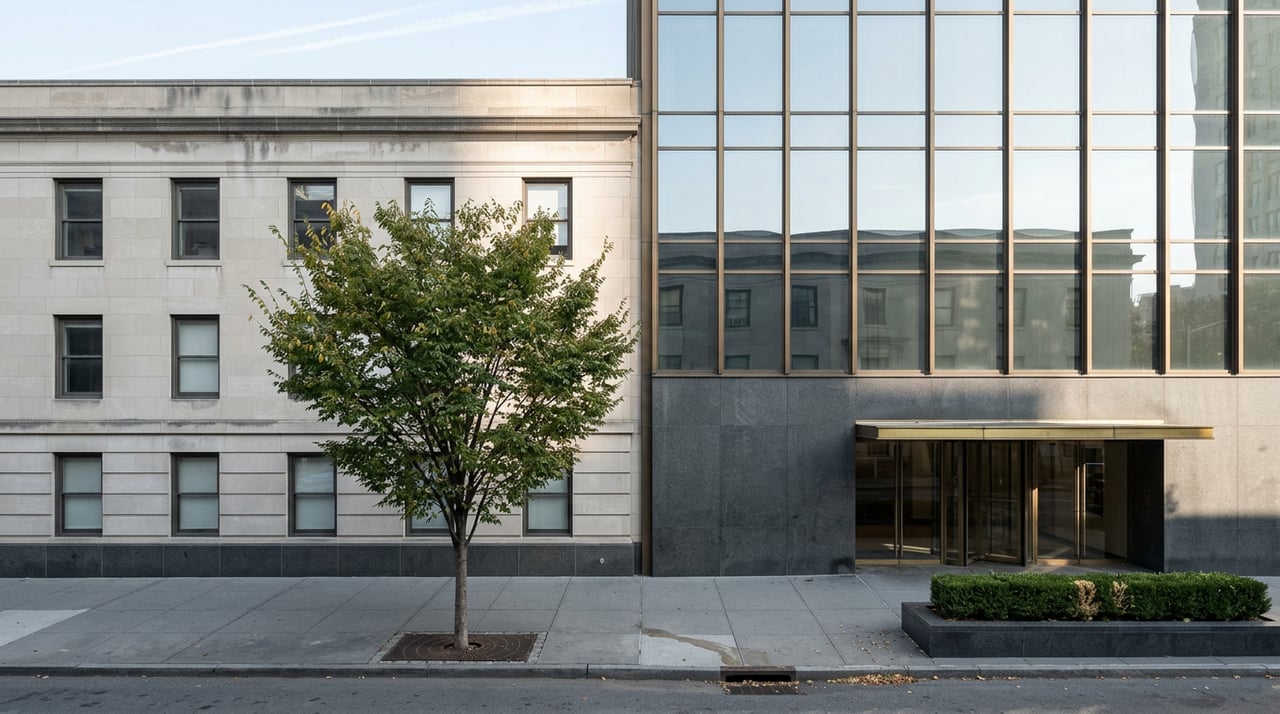
Part of West Chelsea’s appeal is the contrast between preserved industrial buildings and newer residential construction. Zoning in the Special West Chelsea District was designed to support a dynamic mixed-use neighborhood while addressing access and development around the High Line.
For you as a buyer or renter, that often translates into a neighborhood with visual variety. One block may feature loft-like scale and industrial character, while the next presents newer glass-and-elevator living with a different kind of finish and layout.
West Chelsea’s connection to art is not just a historic footnote. The Landmarks Preservation Commission has described the district as a thriving area for galleries and art-related businesses, with more than half of the buildings in the historic district dedicated to those uses.
That identity continues in the public realm today. High Line Art commissions and produces more than 30 art projects each year, and the official High Line map labels the surrounding area as West Chelsea and the Gallery District.
If you enjoy living in a place with strong visual identity, West Chelsea stands out. Gallery activity, public installations, and reused industrial spaces create a neighborhood atmosphere that feels curated but still active.
You do not need to be part of the art world to appreciate the effect. The concentration of galleries and art programming simply adds another layer to everyday life, whether you are walking home, meeting friends, or exploring the area on a weekend.
Chelsea Market is one of the area’s best-known food and retail anchors. Its concourse is open from 7:00 AM to 10:00 PM, and it positions itself as a neighborhood destination for coffee, meals, drinks, shopping, and immersive art.
Its tenant mix also reflects the variety many people associate with this part of Manhattan. Options include oysters, ramen, bagels, sesame and halva, and seafood tacos, giving the area a broad and casual food profile rather than a single dining identity.
Beyond the High Line, Hudson River Park expands the neighborhood’s open-space appeal. The park stretches four miles along Manhattan’s west side and is open daily from 6:00 AM to 1:00 AM.
In the Chelsea section, amenities include Chelsea Piers, Chelsea Waterside Park, Pier 62, the Chelsea Entry Garden, a carousel, and a skatepark. For you, that means West Chelsea offers both elevated park access inland and a major waterfront park system to the west.
West Chelsea often appeals to people who want dense city living with strong access to parks, architecture, and cultural destinations. Community Board 4 data from 2020 described the district as having a median income of $101,080, with 52% of households earning $100,000 or more, a larger share of residents ages 25 to 44, and fewer children than the city overall.
Combined with the local housing stock, that context helps explain the neighborhood’s overall feel. It often reads as design-conscious, active, and urban, with a resident base that values proximity to culture and public space.
Because the High Line, Chelsea Market, and Hudson River Park all draw heavy use, the neighborhood’s rhythm tends to shift over the course of the day and week. Mornings are often calmer, while lunch hours and afternoons bring more foot traffic near major destinations.
Evenings often gather energy around dining and waterfront activity. Weekends can feel noticeably busier, especially near visitor-heavy corridors and entrances to the High Line.
This pocket of Chelsea can be a strong fit if you value architectural contrast, gallery culture, and easy access to public open space. It may also appeal if you prefer a Manhattan setting that feels visually distinctive and connected to both downtown and Midtown.
At the same time, it helps to be honest about your priorities. If you want a quieter residential experience or less visitor traffic, some nearby blocks or other neighborhoods may align better with your lifestyle.
Before you choose West Chelsea, consider:
These questions can help you move beyond the neighborhood’s image and focus on whether it works for your actual routine.
West Chelsea’s housing mix is one of its most important features. The area includes older industrial conversions, smaller traditional residential buildings, and newer luxury development, which creates a broad range of product types within a compact area.
For buyers and investors, that means careful property-level analysis matters. Layout, building type, light, street exposure, and how a home relates to nearby public spaces can all influence value and day-to-day livability.
In a neighborhood shaped by industrial legacy and specialized zoning, two homes a few blocks apart can offer very different experiences. A loft conversion may appeal for scale and character, while a newer building may draw interest for services, elevators, and contemporary finishes.
This is where a more technical lens can help. Understanding the built context, not just the listing sheet, is often essential when evaluating West Chelsea property.
Living in West Chelsea near the High Line means choosing a neighborhood with a strong sense of place. It combines industrial history, art-world credibility, modern residential development, and unusually strong park access in a part of Manhattan that feels both local and internationally recognized.
For some people, that balance is exactly the appeal. If you value design, open space, and a neighborhood that feels visually and culturally layered, West Chelsea is well worth a closer look.
If you are evaluating Manhattan neighborhoods with an eye for architecture, development context, and long-term value, Donald Brennan offers thoughtful, high-touch guidance shaped by design fluency and real estate advisory experience.
Stay up to date on the latest real estate trends.
October 22, 2026
October 15, 2026
October 8, 2026
October 1, 2026
September 24, 2026
September 17, 2026
September 10, 2026
September 3, 2026
August 27, 2026