Planning A Boutique Condo Project In Tribeca
May 14, 2026
May 14, 2026
If you are planning a boutique condo project in Tribeca, the biggest risk is often not the market. It is getting the fundamentals wrong before design, pricing, and sales ever begin. In a neighborhood shaped by special zoning, landmark oversight, and a luxury buyer pool with very specific expectations, early decisions can either support the project or complicate it. This guide walks you through the key planning issues so you can shape a more credible, market-ready condo strategy from the start. Let’s dive in.
Tribeca is not a one-size-fits-all Manhattan condo market. It sits within the Special Tribeca Mixed Use District, which was created to support a mix of light manufacturing and controlled residential use while also ensuring safe housing in converted buildings. That means your first planning question should not be finishes or pricing. It should be what the site actually allows.
Many properties in Tribeca also sit within one of several historic districts, including Tribeca West, Tribeca North, Tribeca East, Tribeca South, and Tribeca South Extension. Because of that, parcel-level due diligence matters. A site may appear promising at first glance, but zoning rules and landmarks oversight can quickly reshape what is realistic.
If your project involves exterior work, a building enlargement, or new construction on a vacant lot within a historic district, the Landmarks Preservation Commission may need to review it. In landmarked settings, design approval is not just about fitting within zoning bulk. LPC reviews how a proposal affects the district’s architectural and historical character.
LPC also makes an important distinction that can help frame the design process. It does not require a project to mimic old architecture. Instead, it looks for a design that is sensitive to scale and context, which can support a more contemporary approach when it is handled carefully.
From the Department of Buildings side, conversions among residential, commercial, and manufacturing uses are treated as alteration projects that end with a new Certificate of Occupancy. Increasing the number of dwelling units in an existing residential portion can also count as a conversion. For a boutique condo, that affects timeline, filings, and the overall execution plan.
In practical terms, your entitlement path should come before product marketing. If you do not understand the filing and approval sequence, you can end up making promises the project cannot yet support.
Tribeca is a wealthy, loft-heavy condo market, and the sales data point to a clear product strategy. In the broader SoHo and TriBeCa condo corridor in 2025, the average sales price was $5.06 million, the median was $3.80 million, and the average price per square foot was $2,375. Those figures confirm that you are planning for a high-value buyer, not a broad commodity market.
The more useful takeaway is how buyers are distributed across unit types. Two-bedroom and three-bedroom condos made up 271 of the 398 closed condo sales in that corridor. For most boutique projects, that suggests the core of the plan should lean toward 2BR and 3BR homes, with only a limited number of smaller entry units and a selective top tier.
A boutique building usually benefits from a pricing ladder rather than a flat product plan. The market data show that 4+ bedroom units averaged $3,372 per square foot, which supports stronger pricing for a distinct trophy tier. That does not mean every project needs several large residences. It means the top of the stack can justify different planning, privacy, and pricing logic.
For many sites, the smarter mix is a strong middle with a restrained upper tier. You want enough consistency to keep construction and sales efficient, but enough variation to capture premium demand where the building can truly deliver it.
Tribeca still trades as a blue-chip neighborhood, and pricing discipline matters. PropertyShark ranked Tribeca as New York City’s second most expensive neighborhood in the first quarter of 2026, with a median sale price of $4.25 million. That supports what local sponsors and buyers already understand: Tribeca competes with the immediate downtown luxury corridor, not with borough-wide averages.
If you price a boutique condo project using the wrong comp set, you can distort everything from unit mix to absorption expectations. Your pricing model should reflect nearby luxury inventory, recent downtown condo performance, and the position of your building within that narrower field.
There can be a temptation to treat smaller projects as less premium because they have fewer homes or fewer shared amenities. In Tribeca, that is not necessarily the right read. A small building with strong layouts, privacy, light, and a credible architectural concept may be better aligned with buyer expectations than a more crowded amenity-heavy offering.
That is especially true in a neighborhood where the built environment already carries so much identity. Buyers at this level often respond to quality and coherence more than excess.
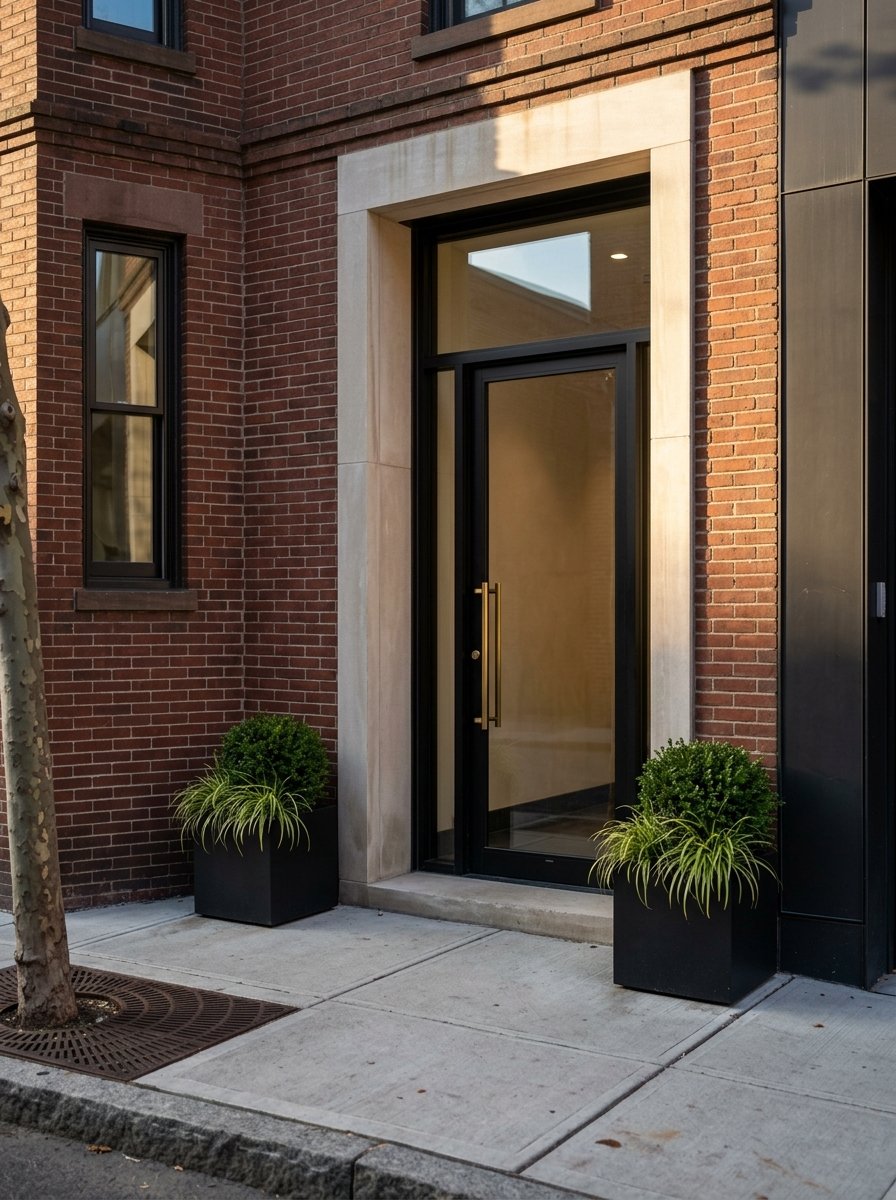
Tribeca’s identity is deeply tied to its industrial and commercial past. The Tribeca South designation report describes the area as a mid-19th-century commercial landscape with predominantly five-story Italianate store-and-loft buildings in stone, brick, or cast iron. That backdrop should inform how you think about massing, façade rhythm, and the street presence of a new or converted condo building.
The key point is not to recreate the past literally. LPC’s own guidance makes clear that historic district review is about preserving the special character of the district, not forcing fake historic design. For a boutique condo project, that opens the door to architecture that feels contemporary while still respecting scale, proportion, and material context.
A successful Tribeca design often reads as calm, disciplined, and site-specific. It does not need to imitate a 19th-century loft building to belong on the block. It does need to show respect for the district through thoughtful proportions, appropriate exterior expression, and a clear understanding of the surrounding street wall.
For sponsors, this usually means design strategy and approval strategy should move together. The earlier your team tests the concept against both zoning and LPC expectations, the more likely you are to avoid costly redesigns later.
In a large ground-up tower, an expansive amenity package may be central to the pitch. In a boutique Tribeca condo, that is often not the strongest use of space or budget. Given the loft-heavy market context and the realities of preservation-sensitive design, value will usually come more from apartment quality than from a long list of shared rooms.
That makes practical planning even more important. Buyers in this segment are often likely to notice ceiling height, natural light, storage, privacy, and service before they ask for oversized common areas.
For a smaller luxury project, the most effective amenity strategy is often restrained and intentional. Consider the value of:
In a boutique setting, every square foot has to earn its keep. Overloading the building with costly shared amenities can weaken both the plans and the financial story.
One of the most important planning realities for a New York condo project is that marketing and legal timing are connected. The New York Attorney General reviews condominium offering plans and tracks submission dates, acceptance-for-filing dates, and amendments. That means launch timing is not just a sales decision. It is also a filing decision.
This matters because buyers are purchasing pursuant to an offering plan. The Attorney General states that buyers should read the entire plan, obtain legal advice before signing, and make sure any material representation not clearly stated in the plan or contract is put in writing.
For under-construction projects, the offering plan controls what the sponsor must deliver, including ancillary spaces and amenities. Brochures and renderings may help tell the story, but they do not override the plan. If your marketing gets ahead of your legal framework, you can create confusion and risk.
The best approach is to align architecture, product language, legal drafting, and launch strategy from the beginning. That makes the project easier to explain and easier to trust.
At Tribeca price points, international exposure can be a meaningful advantage. NAR reported that foreign buyers purchased $56 billion of U.S. homes from April 2024 to March 2025, that 47% paid cash, and that New York accounted for 7% of foreign-buyer destinations. While that data reflect existing-home purchases rather than new development alone, it still supports the case for a broader buyer outreach strategy.
For a boutique condo launch, that does not mean generic mass marketing. It means building a distribution plan that matches the asset, the price level, and the likely buyer profile. In this tier of the market, precision often matters more than volume.
A Tribeca boutique condo usually performs best when the story is consistent across design, pricing, and sales materials. Buyers should quickly understand what kind of building it is, why it belongs in Tribeca, and what makes it distinct from a larger downtown product.
That is where curated positioning can help. A clear narrative around context, privacy, architecture, and quality can carry more weight than a broad luxury label.
If you are shaping a boutique condo project in Tribeca, the strongest path is usually disciplined rather than flashy. Start with the regulatory map, then build the product around the market that actually exists.
A sound framework often looks like this:
That combination is not just safer. In Tribeca, it is often what gives a boutique project its best chance to feel both credible and compelling.
If you are evaluating a conversion, planning a new boutique condominium, or refining product and pricing before launch, working with an advisor who understands architecture, approvals, and buyer positioning can make the process much clearer. To discuss your project strategy in a private consultation, connect with Donald Brennan.
Stay up to date on the latest real estate trends.
May 21, 2026
May 14, 2026

May 7, 2026
April 23, 2026
April 16, 2026
April 2, 2026
March 24, 2026
March 5, 2026
February 19, 2026