Your Upper West Side Lifestyle Guide Between the Parks
June 11, 2026
June 11, 2026
If you want a Manhattan neighborhood where green space shapes your daily routine, the Upper West Side stands apart. Living here means you are framed by two major park edges, with Central Park on one side and Riverside Park on the other, while culture, transit, and everyday errands sit in between. For buyers thinking about lifestyle as much as square footage, that combination is hard to ignore. Let’s dive in.
The Upper West Side is not just a label on a map. Manhattan Community Board 7 defines it as the area from 59th to 110th Streets between Central Park and the Hudson River, which gives the neighborhood a very clear physical identity. In practical terms, you are living between two major open-space systems that shape how the area feels block by block.
That geography matters because it creates a daily sense of access. You are not choosing between urban convenience and park proximity in the abstract. On the Upper West Side, both are built into the neighborhood’s layout.
Riverside Park is more than a scenic edge along the west side of the neighborhood. Riverside Park Conservancy says it cares for six miles of parkland from West 59th Street to 181st Street, making it a major recreational and public-space asset for nearby residents. That scale helps explain why the park plays such a central role in daily life.
The park is designed for regular use, not just occasional visits. Its amenities include active recreation areas, dining, dog runs, playgrounds, points of interest, and restrooms. The Manhattan Waterfront Greenway that runs through the park is a 12-foot-wide multi-use path with lighting, benches, tables, and Hudson River views.
For many buyers, that means your morning walk, weekend bike ride, or quick outdoor reset can feel built into the neighborhood rather than treated as a special outing. Seasonal programming like Summer on the Hudson adds even more activity throughout the year. In a dense part of Manhattan, that kind of everyday outdoor infrastructure carries real weight.
On the eastern side of the neighborhood, Central Park gives the Upper West Side its second defining park edge. Together, Central Park and Riverside Park create a rare Manhattan condition where major public green space anchors both sides of the neighborhood. That is one reason the area feels especially balanced to many residents and buyers.
The value here is not just visual. It is practical. You have multiple ways to incorporate outdoor space into your day, depending on where you live and how you move through the neighborhood.
The Upper West Side has one of New York’s strongest institutional and cultural anchors in Lincoln Center. The 16.3-acre campus is home to 11 performing arts and arts education nonprofits, including the Metropolitan Opera, New York City Ballet, New York Philharmonic, Juilliard, Jazz at Lincoln Center, Film at Lincoln Center, Lincoln Center Theater, and the New York Public Library for the Performing Arts.
That concentration matters even if you are not attending a performance every week. Lincoln Center says its public plazas are open from 8 a.m. to midnight, so the campus functions as part of the neighborhood’s pedestrian life throughout the day. It is both a destination and a piece of the public realm.
The American Museum of Natural History adds another major cultural institution to the neighborhood, with its address at 200 Central Park West. For buyers, that means the Upper West Side is not defined by one kind of cultural activity alone. Performance, education, and museum-going all have a visible presence here.
This blend helps explain why the neighborhood often feels active at many hours of the day. You have residents moving through their normal routines, visitors heading to institutions, and local commercial corridors supporting everything in between.
One of the Upper West Side’s strengths is that its daily convenience is easy to understand. New York City Planning describes the neighborhood’s retail structure as concentrated along three main commercial corridors: Broadway, Amsterdam Avenue, and Columbus Avenue. Those corridors help organize everyday life.
Broadway tends to support larger retail and mixed-use development. Amsterdam and Columbus, by contrast, retain more of the smaller storefront pattern associated with older apartment blocks. Together, the streets support restaurants, bars, small gift and apparel shops, and local services.
For a buyer, this translates into something simple but important. Daily errands do not feel disconnected from residential life. The neighborhood’s commercial pattern is integrated into the same streetscape where many people live.
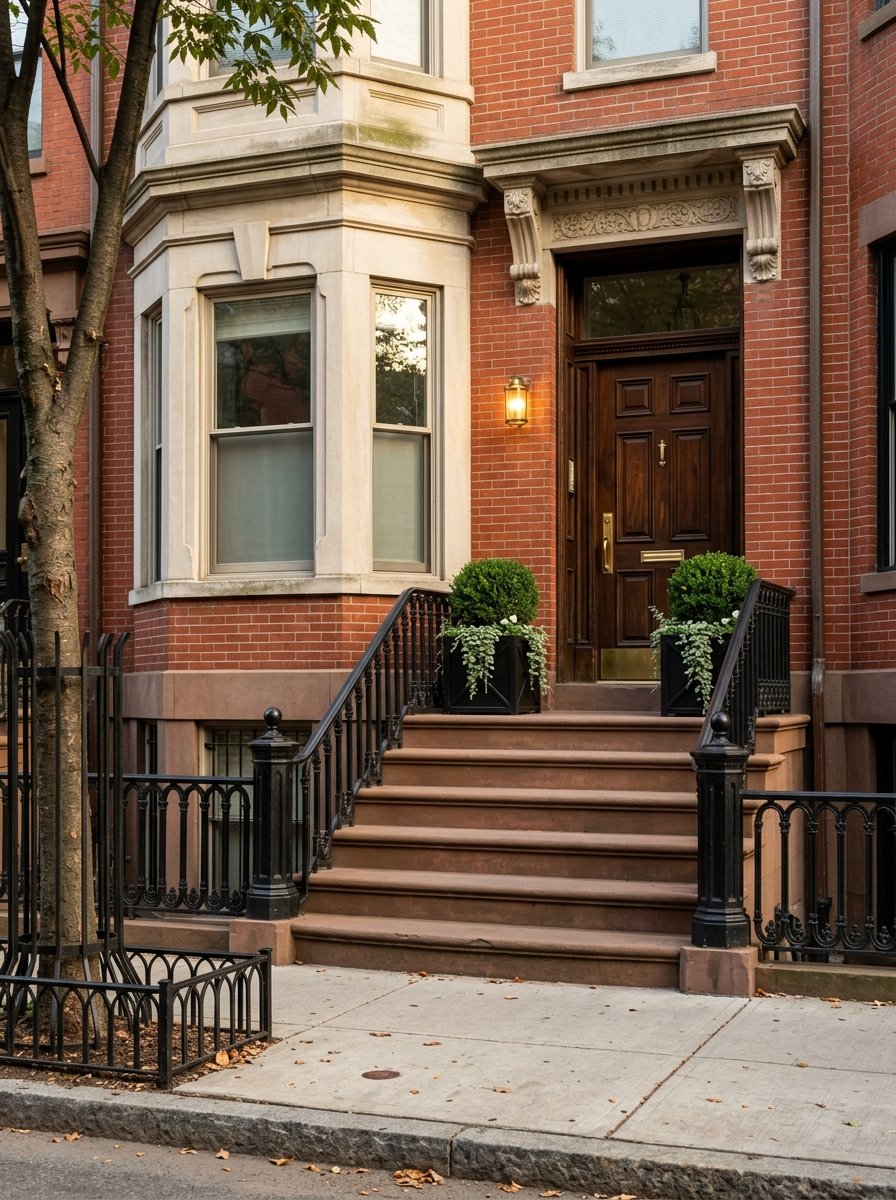
If the Upper West Side feels visually cohesive, there is a reason for that. Historic documentation shows the neighborhood became a major center of apartment-house construction around the turn of the 20th century after transit improvements increased accessibility. That development history still defines much of the area today.
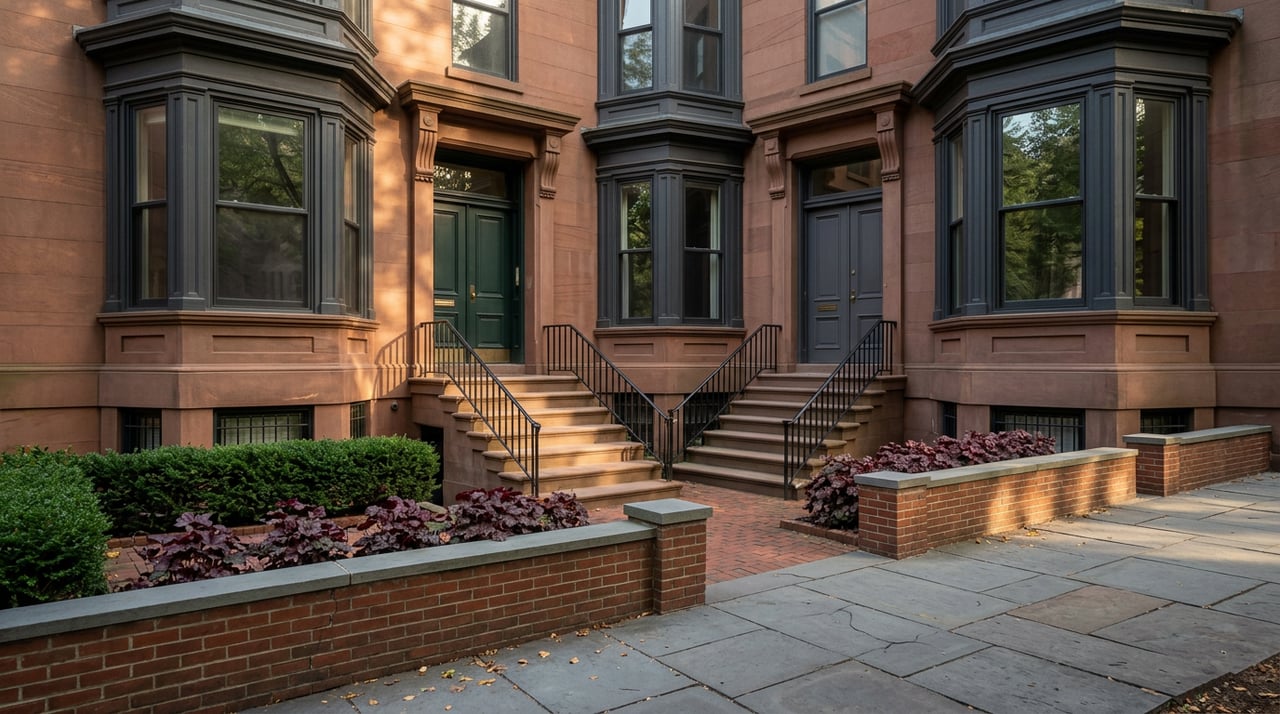
The Landmarks Preservation Commission says the Upper West Side contains the city’s highest concentration of fine turn-of-the-century apartment buildings. Notable styles include Beaux-Arts, Italian Renaissance, and neo-Gothic buildings, along with rowhouses and other early multifamily housing. For buyers drawn to masonry construction and prewar layouts, this is a meaningful part of the neighborhood’s appeal.
The Upper West Side’s character is not only aesthetic. It is tied to real preservation rules. The Landmarks Preservation Commission protects designated buildings and historic districts and regulates them after designation, which means exterior changes and preservation-sensitive renovations can require added review.
That does not make landmarked or historically significant buildings less desirable. It simply means you should evaluate them with clear expectations. If you value architectural character, original detail, and a strong sense of place, the trade-off may feel worthwhile.
For many early-stage buyers, the Upper West Side works because several priorities line up at once. The neighborhood offers documented park access, strong cultural anchors, established retail corridors, and a housing stock with deep architectural identity. That combination is a big part of its lasting appeal.
At the same time, it helps to be clear about your own preferences. If you are drawn to prewar buildings, masonry construction, and a more layered streetscape, the neighborhood may feel especially compelling. If you want the consistency of new construction or fewer preservation-related constraints, some properties may require a closer look.
The Upper West Side’s routine is also reinforced by transit access. The MTA’s neighborhood map shows subway access throughout the corridor, and the M72 and M86 bus routes provide east-west crosstown connections. In a neighborhood defined by park edges and long north-south corridors, those crosstown links matter.
For buyers, this means the lifestyle is not only about what sits nearby on foot. It is also about how easily you can move across the neighborhood and connect to the rest of Manhattan. Convenience here comes from both proximity and circulation.
The Upper West Side stands out because its strengths reinforce one another. The parks are not isolated amenities, the cultural institutions are not disconnected from residential life, and the retail corridors are not afterthoughts. The neighborhood’s geography, built form, and daily function all work together.
That is why living between the parks can feel so compelling. You get a part of Manhattan where open space, architecture, culture, and practical convenience all carry real weight in everyday life. For buyers who care about both atmosphere and function, the Upper West Side offers a rare kind of balance.
If you are weighing how architectural character, preservation considerations, and neighborhood structure may affect your next move in New York, a measured advisory approach can make all the difference. To discuss your goals with a brokerage that values technical fluency and thoughtful guidance, schedule a private consultation with Donald Brennan.
Stay up to date on the latest real estate trends.
October 22, 2026
October 15, 2026
October 8, 2026
October 1, 2026
September 24, 2026
September 17, 2026
September 10, 2026
September 3, 2026
August 27, 2026