Which Park Slope Blocks Best Fit Family Life?
June 4, 2026
June 4, 2026
If you are searching Park Slope with kids in mind, you are not just choosing a home. You are choosing a daily route to the park, a library fallback for rainy afternoons, a subway routine with a stroller, and a block that feels right at 7:30 on a Tuesday morning. In Park Slope, those details can change noticeably from one stretch to the next. Let’s dive in.
Park Slope sits west of Prospect Park and is generally bounded by Flatbush Avenue, 15th Street, Fourth Avenue, and Prospect Park West. Within that footprint, the housing mix includes single-family row houses, flats buildings, and mixed-use buildings with commercial ground floors along parts of 7th Avenue. That variety is part of what makes the neighborhood appealing, but it also means your day-to-day experience can vary by block.
For growing families, three factors tend to shape the search most: park access, school and childcare logistics, and street context. In practical terms, that means thinking about how quickly you can reach Prospect Park, what the exact address shows in MySchools, and whether you prefer a quieter interior block or a busier avenue frontage.
If your ideal week includes stroller walks, quick playground stops, and easy outdoor time, the Prospect Park West side usually feels the most park-oriented. Prospect Park has entrances at Flatbush Avenue, Parkside and Ocean Avenues, and Bartel-Pritchard Square, which gives nearby blocks strong access points depending on where you land.
The park itself offers a lot for families to use regularly, not just on weekends. Prospect Park Alliance describes Prospect Park as a 585-acre park with a 3.36-mile Park Drive loop, seven playgrounds, and multiple water-play areas. For many households, that turns nearby blocks into a practical extension of home life.
The south side of Park Slope can be especially useful if your family likes longer park outings without relying on a car. The 15 St Prospect Park station and the Prospect Park station are important south-side transit options, and this part of the neighborhood connects well to larger destinations inside the park.
That includes the LeFrak Center at Lakeside and Prospect Park Zoo. Lakeside offers seasonal and year-round activities such as winter skating, roller skating, boating, pickleball, yoga, and the Splash Pad. The zoo at 450 Flatbush Avenue is another reliable anchor for weekend plans.
One of the biggest mistakes buyers make is treating park access as a single category. In reality, some blocks are better for a fast weekday playground run, while others are better for a longer Saturday built around the zoo, the lake, or Lakeside programming.
The park also includes water-play areas such as Third Street Playground, Harmony Playground, Vanderbilt Playground, Imagination Playground, and Lincoln Road Playground. If outdoor time is a big part of your family routine, it helps to map which entrance and which play areas you would actually use most often.
For many families, the center of Park Slope stands out for its errands-and-walkability balance. Fifth Avenue and 7th Avenue are widely recognized as the main streets for shops, cafés, and neighborhood retail, and commercial uses are concentrated heavily along those corridors.
That can make everyday life easier. If you want a home where grabbing groceries, picking up a coffee, or handling everyday errands can happen on foot, these stretches often offer the strongest convenience.
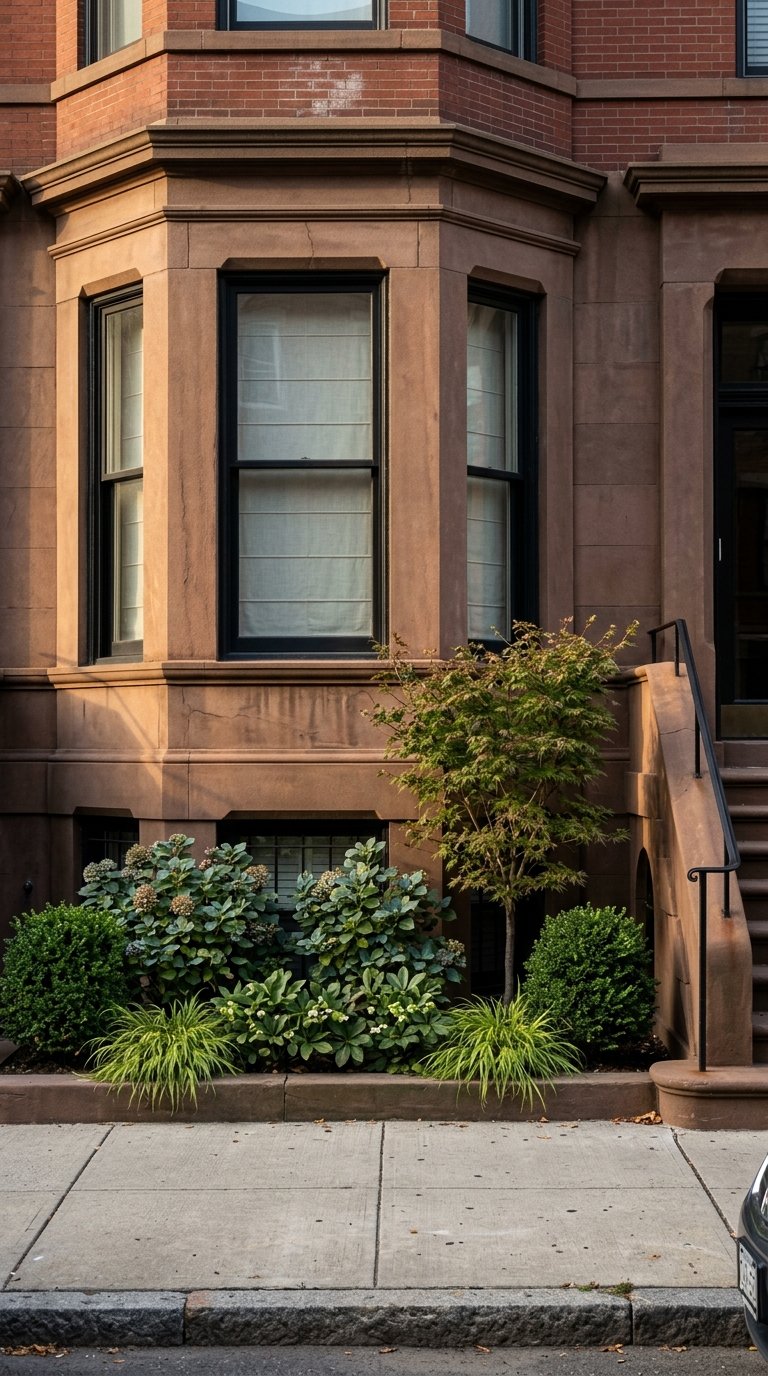
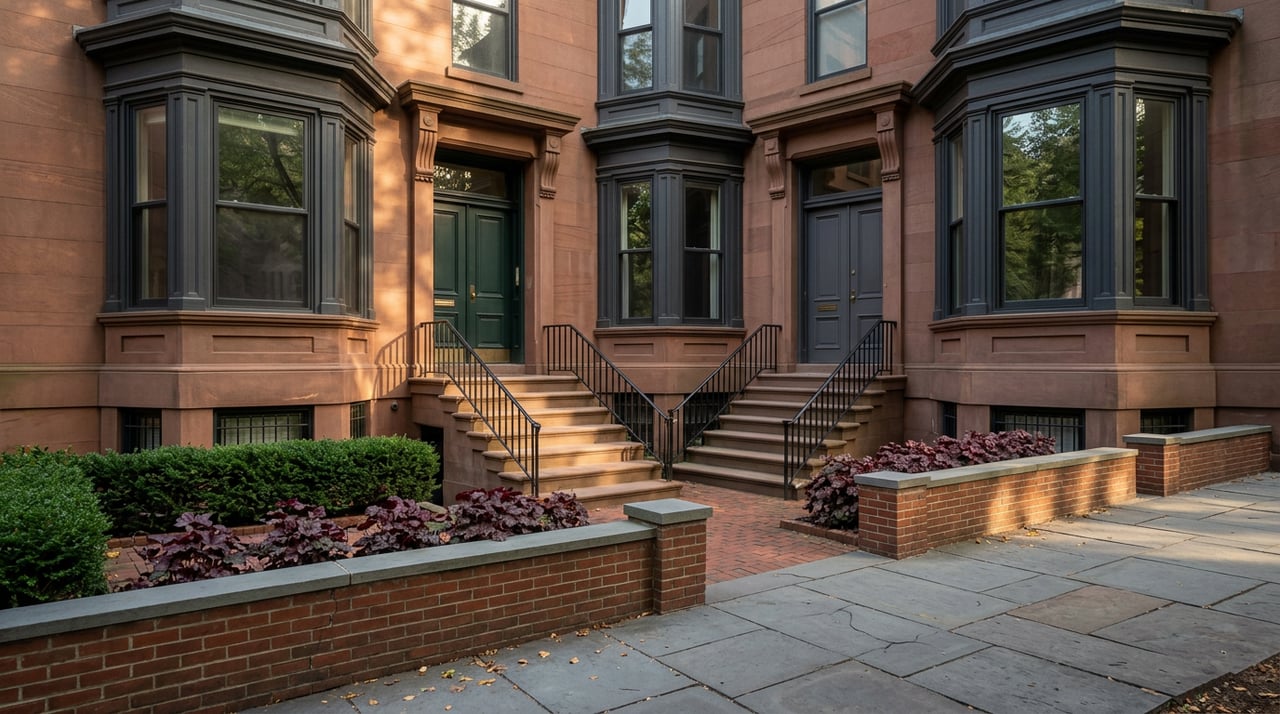
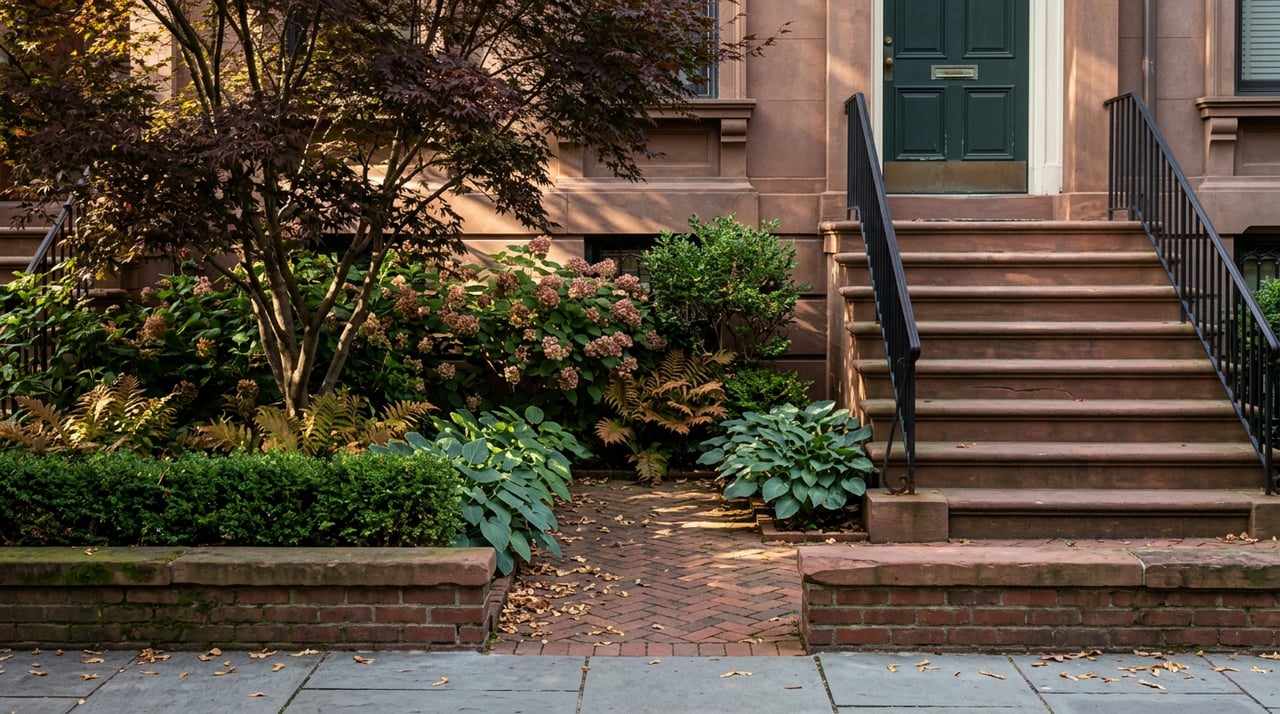
Just off the avenues, the interior blocks often shift quickly in feel. Many households prefer these side streets because they tend to offer a calmer brownstone setting while still staying close to retail, transit, and the park.
This is often where the tradeoff becomes more specific. You may be a few minutes farther from the busiest retail strip, but you gain a different street rhythm and often less avenue activity outside your door.
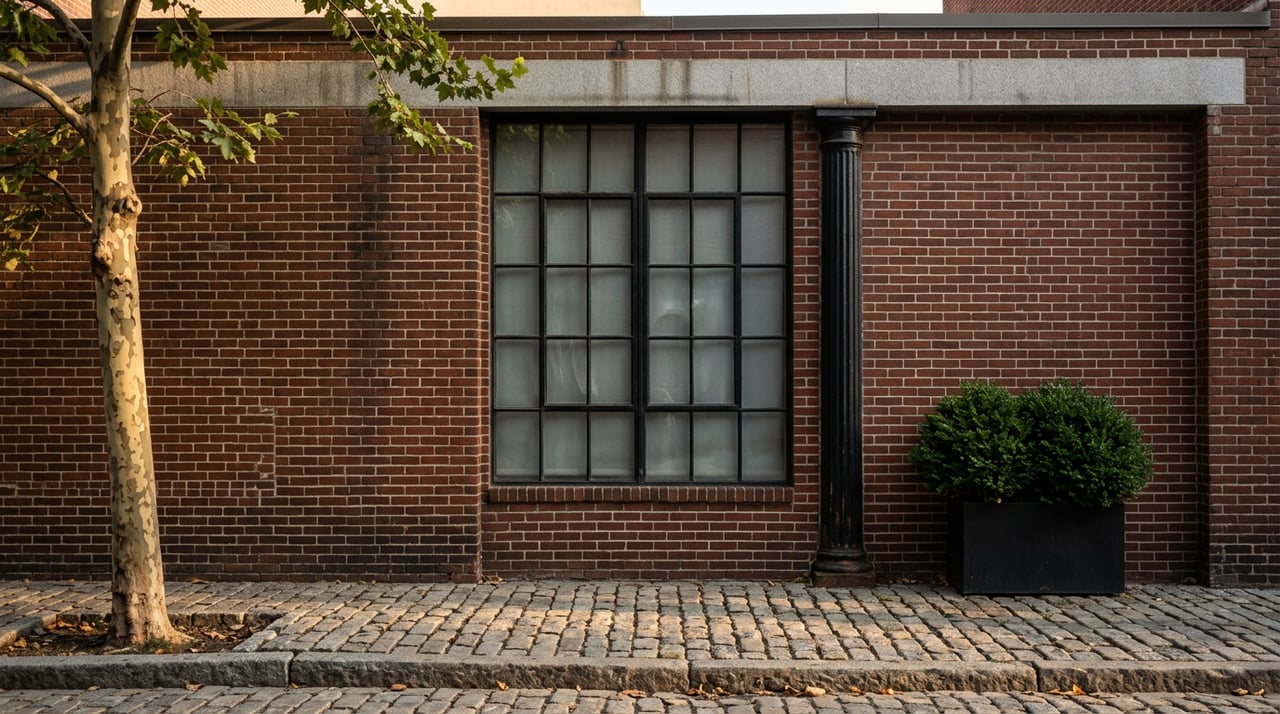
Flatbush Avenue and 4th Avenue usually feel busier and more mixed-use than interior Park Slope blocks. City planning and transportation materials describe Flatbush as a major commercial corridor, while 4th Avenue has more auto-related uses and higher-density redevelopment pressure than the neighborhood core.
That does not make these edges less useful. For some buyers, the transit access and convenience are worth the tradeoff. For others, lower street noise will matter more, which often pushes the search inward to side streets rather than avenue frontage.
In Park Slope, school planning is highly address-specific. MySchools is the official tool for checking zoned schools, and zoning can vary block by block. That means two homes only a short distance apart may not share the same school pathway.
Families in Park Slope often compare options across District 13 and District 15. If schools are a major part of your move, it is important to evaluate the exact address rather than assume the whole neighborhood functions the same way.
Examples in the area include P.S. 282 Park Slope in District 13, P.S. 321 William Penn in District 15, and P.S. 107 John W. Kimball in District 15. Middle school options often discussed include M.S. 51 in District 15, M.S. K266 Park Place Community Middle School in District 13, and Park Slope Collegiate in District 15.
For younger children, early-childhood options in the area include Park Slope Child Development Center/HOC and Ny Preschool Park Slope, both in District 13. The key point is not to generalize from neighborhood reputation. It is to match the home search to your actual childcare and school timeline.
The Park Slope Library on 6th Avenue is a practical asset for family life. It is fully accessible and served by the F, G, and R trains as well as the B61, B63, B67, and B69 buses. For many households, that makes it more than a library.
It can also be an indoor fallback for homework time, after-school stops, and bad-weather afternoons. When you are comparing blocks, nearby library access may not be the first thing on your list, but it often becomes part of the weekly routine once you live there.
Park Slope is served by several useful stations, including 4 Av-9 St, 7 Av, 15 St Prospect Park, and Prospect Park. The best fit depends on your routine, whether that means commuting, school drop-off coordination, or quick access to different parts of Brooklyn and Manhattan.
If your family uses transit daily, it helps to look beyond the map and think about your real pattern. The nearest station may not be the most practical one if you are balancing strollers, transfers, and time-sensitive mornings.
Accessibility can be a major quality-of-life factor for growing families. In 2023, the 7 Av F/G station became fully accessible with three new elevators. That is especially meaningful if you are traveling with a stroller, coordinating with grandparents, or simply want a less physically demanding daily commute.
Small transit details like this can affect your housing search more than you might expect. A beautiful block can feel less convenient if the station setup does not support how your household actually moves.
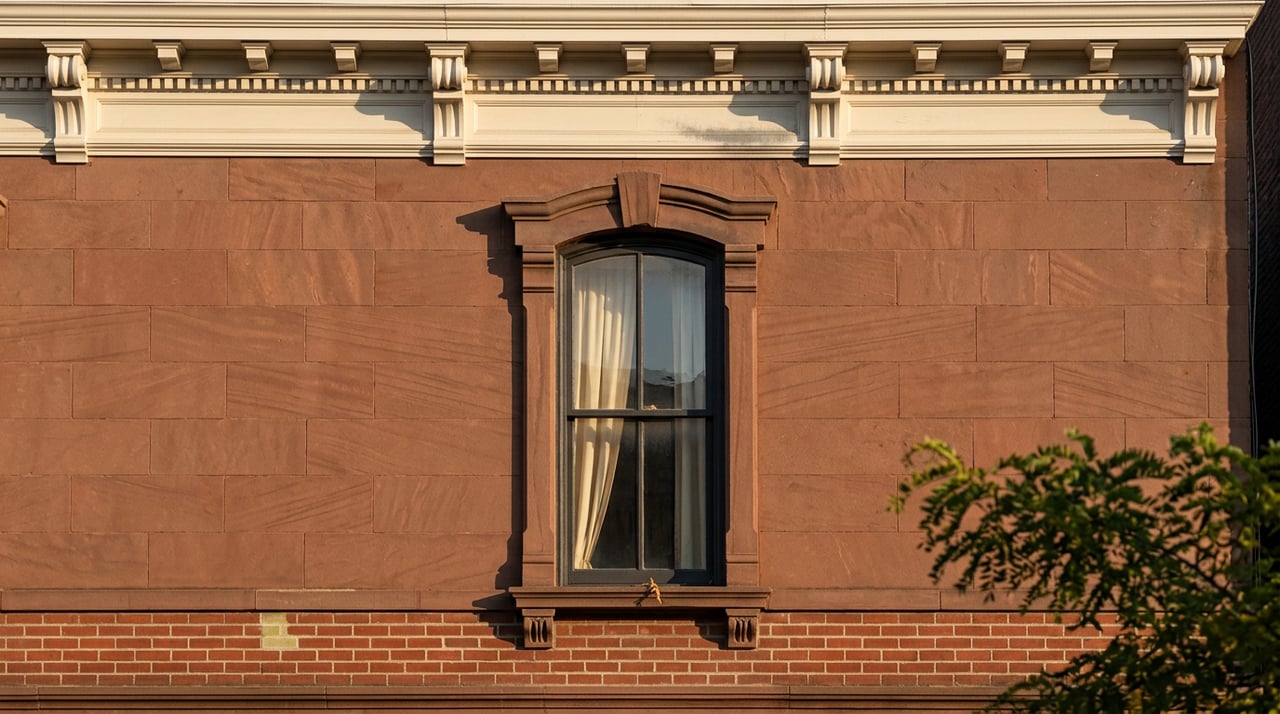
Park Slope’s historic character is a big part of its appeal, but it also comes with practical considerations. The Park Slope Historic District Extension added roughly 600 buildings to the protected streetscape, and many homes in the area fall under Landmarks Preservation Commission oversight for exterior changes.
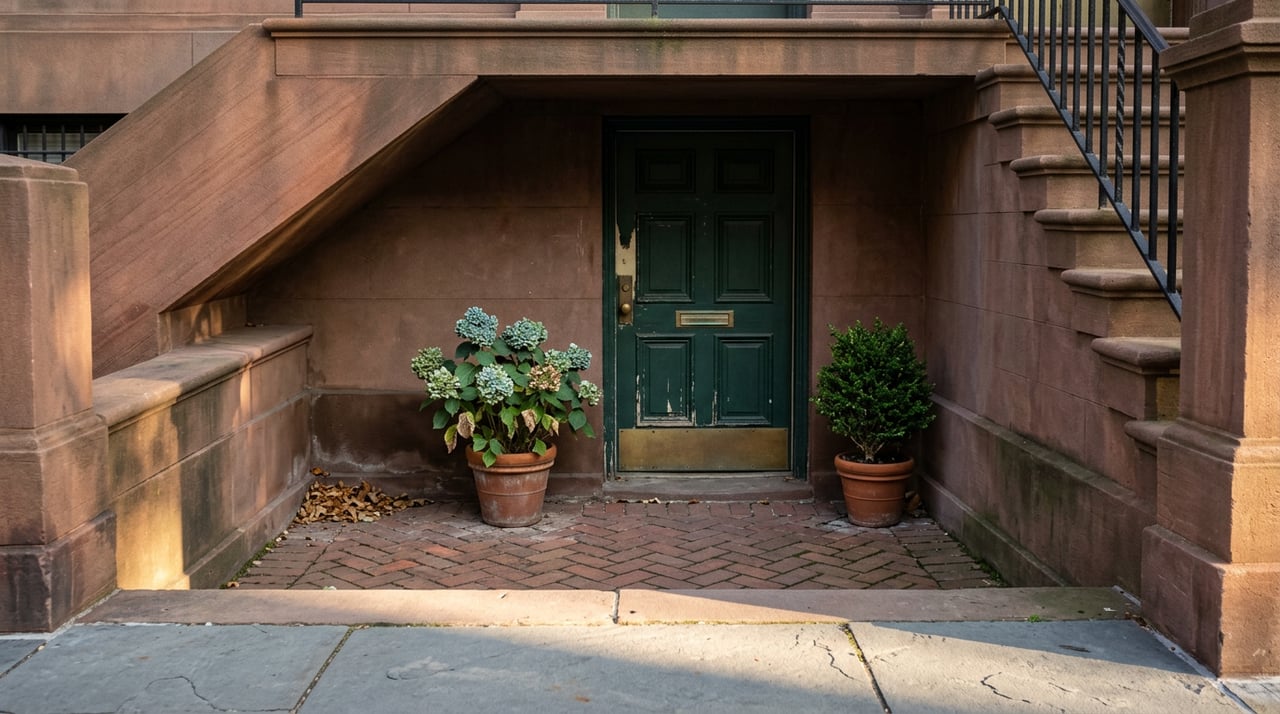
If you are considering a townhouse, co-op, or multifamily property with plans for exterior updates, stoop work, window changes, or a larger conversion, landmark status matters. Exterior work on landmarked properties often requires commission approval, which can affect project timing.
For some buyers, that preservation framework is a plus because it helps maintain the visual consistency of the brownstone blocks. For others, especially those who want more renovation flexibility, non-landmarked or newer housing stock near the neighborhood edges may be more practical.
Before you focus only on square footage or finishes, it helps to sort Park Slope homes through a family-use lens. A smart search usually starts with the routines you want to make easy.
Here are the questions worth asking early:
In Park Slope, the best family fit is usually not about finding the single best block. It is about finding the block that best matches your daily rhythm.
If you are weighing those tradeoffs in Park Slope, a neighborhood-specific search can save time and sharpen your decisions. Donald Brennan brings deep Brownstone Brooklyn knowledge, architectural fluency, and practical insight into landmarked housing, block context, and family-focused home selection.
Stay up to date on the latest real estate trends.
September 17, 2026
September 10, 2026
September 3, 2026
August 27, 2026
August 20, 2026
August 13, 2026
August 13, 2026
August 6, 2026
July 23, 2026