Choosing A Condo Conversion In Midtown East
June 25, 2026
June 25, 2026
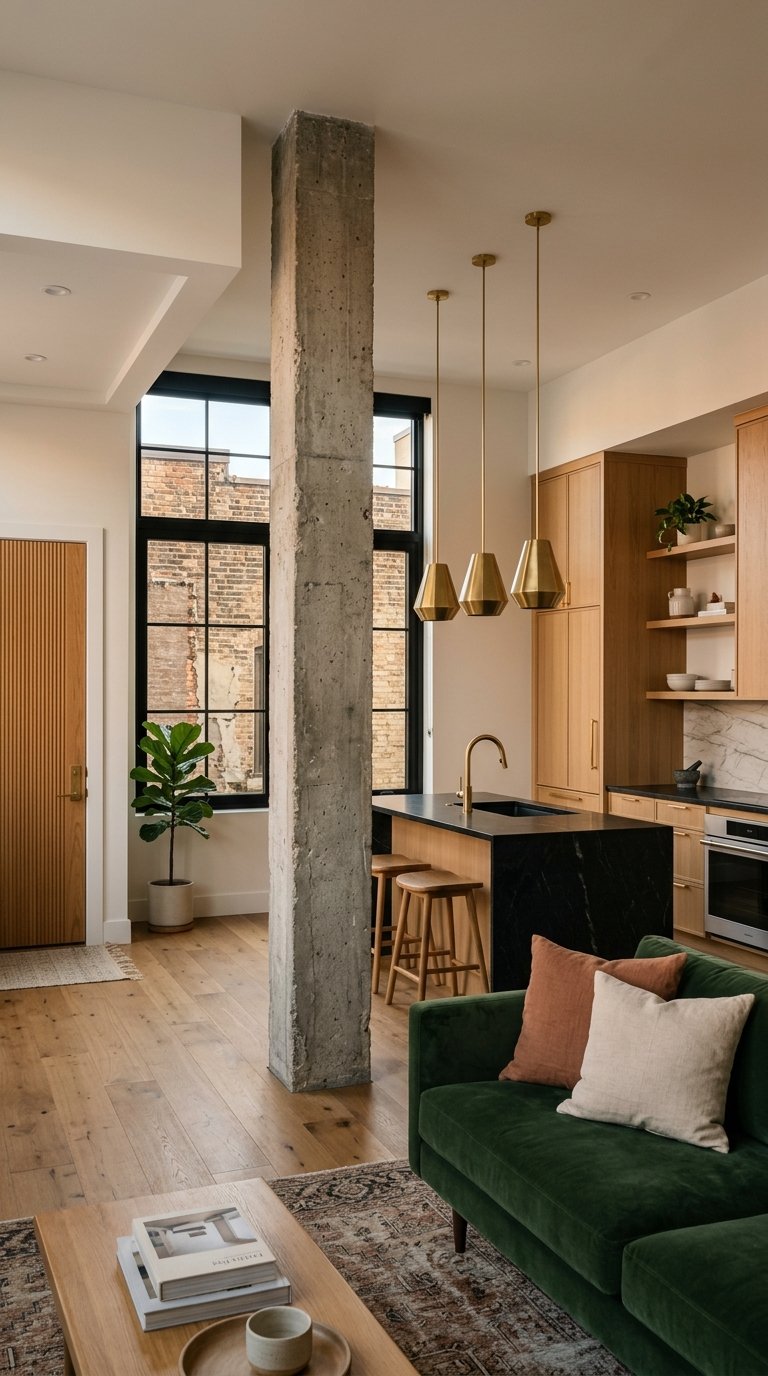
If you are considering a condo conversion in Midtown East, you are not just buying finishes and square footage. You are buying into a building story, a legal framework, and a very specific part of Manhattan where block-by-block differences matter. The good news is that with the right diligence, you can separate a compelling opportunity from a costly headache. Let’s dive in.
Midtown East is not a typical residential condo district. NYC Planning describes Greater East Midtown as one of the region’s premier office districts, with planning rules shaped around office competitiveness, landmark protection, and Grand Central’s role as a major transportation hub.
That matters because many conversion opportunities here sit within a built environment defined by office towers, mixed uses, and tall buildings. As a buyer, you should expect more variation from one address to the next than you might in a more purely residential neighborhood.
A Midtown East condo conversion can feel very different depending on the block, the original building type, and the quality of the redesign. That is why it helps to compare not only within Midtown East, but also against nearby areas like Midtown, Midtown South, Turtle Bay, Murray Hill, Kips Bay, and Sutton Place.
In simple terms, a condo conversion usually means an existing building has been adapted for condominium ownership. In Midtown East, that can include buildings whose original design priorities were very different from what most buyers want in a full-time home.
The NYC Department of Buildings treats conversions as high-risk alteration projects because they often involve a change of use. These projects typically lead to a new or amended Certificate of Occupancy, which makes legal status one of the first things you should verify.
A polished lobby or new kitchen package does not tell you whether the building has been converted correctly. In this segment of Manhattan, the legal and physical details carry just as much weight as the design.
The New York Attorney General says condo sales are governed by the offering plan, and buyers should read the full plan and consult an attorney before signing. If a seller or sponsor makes a promise that is not clearly written into the offering plan or purchase agreement, you should make sure it is put in writing.
For conversion buyers, the offering plan is one of the most important tools you have. It helps you confirm what the sponsor is actually delivering, how the building is structured, and what obligations or risks may follow after closing.
The Attorney General’s offering-plan database can also help you verify key details such as the plan name, address, sponsor, principals, filing dates, and amendments. It also flags whether the file includes pages like the Schedule B budget, reserve-fund disclosure, working-capital disclosure, and sponsor financial disclosure.
When you compare one Midtown East conversion to another, pay special attention to these items:
These pages can give you a clearer picture of carrying costs, financial setup, and whether the building may face future capital needs.
A condo conversion should not be judged on appearance alone. The building’s legal occupancy status is essential.
According to the NYC Department of Buildings, a Certificate of Occupancy states the legal use and occupancy of a building, and a building cannot be legally occupied until the department has issued a CO or Temporary Certificate of Occupancy. Buyers can verify a building’s CO through BIS or DOB NOW, and some pre-1938 buildings may instead rely on a Letter of No Objection as proof of legal use.
DOB also strongly recommends closing on a final CO rather than a temporary one. If a Temporary Certificate of Occupancy expires, it may become difficult or even impossible to insure, sell, or refinance the property.
As you evaluate a Midtown East condo conversion, ask:
These are not minor technicalities. They can directly affect your ability to live in, finance, and eventually sell the property.
Some of the easiest office buildings to convert, according to NYC Planning’s Office Adaptive Reuse Study, are early-20th-century buildings with shallow floor plates and operable windows. More broadly, factors like floor-plate size, core location, building envelope, ceiling height, acoustical performance, and energy performance all influence whether a conversion creates a comfortable apartment.
For you as a buyer, that translates into practical questions about daily life. Does the apartment get meaningful daylight? Are bedrooms placed for privacy? Does the layout feel efficient, or does it still feel like a commercial floor divided into rooms?
In Midtown East, these questions matter even more because many surrounding buildings were not originally designed for residential use. A conversion may look sleek in photos while still feeling compromised in person.
Focus on these livability points during showings and due diligence:
A strong Midtown East conversion usually feels coherent at the apartment level. The best ones do not just check the box for legal conversion. They also create a layout that lives well every day.
The Attorney General’s physical-aspects guidance highlights core building components you should understand before purchase. These include facades, roofs, flooring, appliances, subsoil conditions, elevators, heating and air-conditioning systems, windows, electrical wiring, and plumbing.
This matters in any condo, but especially in a conversion where old systems and new work often meet. A stylish unit inside a building with weak infrastructure can create expensive surprises later.
If the building is tall, that deserves even more attention. DOB classifies buildings over 75 feet as high-rise structures, which brings added rules for elevators, egress, fire protection, and related systems. In Midtown East, where office-scale buildings are common, that code category is often relevant.
Before closing, the Attorney General recommends testing appliances, plumbing, heating, and air conditioning. Buyers should also check ceilings, walls, floors, doors, and cabinets, then compare the final walkthrough condition against the description of the property in the offering plan.
If you notice unfinished work or defects, document them clearly. Any punch-list items that will be corrected after closing should be made part of the closing papers.
This step is especially important in a condo conversion because many buyers focus on design details and move quickly. A careful walkthrough helps confirm that the finished product matches what you were actually promised.
In this part of Manhattan, broad neighborhood labels can be misleading. The research points to nearby geographies like Midtown, Midtown South, Turtle Bay, Murray Hill, Kips Bay, and Sutton Place as practical comparison sets because they often share transit patterns and compete for similar buyers.
That means your comparison should stay highly specific. A conversion near Grand Central may trade on convenience and office adjacency, while another just a short distance away may offer a different residential feel, light condition, or streetscape experience.
Rather than assuming all east-side conversions are comparable, judge each one on its own merits. Floor plan, legal status, ceiling height, lobby quality, and building condition usually tell you more than the neighborhood label alone.
If you are buying with an investor mindset, or simply want to understand future costs, the best starting points are the budget and disclosure pages in the offering plan. The research highlights Schedule B, reserve-fund disclosure, working-capital disclosure, sponsor financial disclosures, board minutes, and recent financial statements as especially useful.
The Attorney General notes that board minutes and financial reports often reveal repair needs. Local building department records can also surface open violations or other compliance problems.
For a Midtown East conversion, this can help you answer a simple but critical question: are you buying into a building that has planned realistically for future maintenance and capital work, or one that may face pressure later?
NYC Planning says City of Yes for Housing Opportunity, adopted on December 5, 2024, expands conversion eligibility to buildings constructed before 1991 and to places where residential use is allowed. That may create more conversion activity across the city.
But broader eligibility does not make any individual building a safer purchase. In fact, it makes building-specific zoning review, document review, and DOB verification even more important.
If you are looking at a Midtown East conversion today, the right question is not whether conversions are broadly encouraged. The real question is whether this specific building has clean legal status, a workable layout, and disclosures that support a confident purchase decision.
Before you move forward on a condo conversion in Midtown East, make sure you can answer these questions:
The strongest Midtown East conversions tend to share the same core traits: clean legal status, a final CO, a coherent residential layout, and disclosure materials that let you understand future carrying and capital needs.
When a building or floor plan is complex, it is worth using professionals who can read both the market and the physical asset carefully. That level of technical review can make a meaningful difference in a conversion purchase.
If you are weighing a condo conversion purchase and want a more technical, design-aware perspective, Donald Brennan offers thoughtful advisory grounded in architecture, development, and New York market experience.
Stay up to date on the latest real estate trends.
October 22, 2026
October 15, 2026
October 8, 2026
October 1, 2026
September 24, 2026
September 17, 2026
September 10, 2026
September 3, 2026
August 27, 2026