Thinking about buying or renovating in Boerum Hill and wondering how much you can legally build? In this neighborhood, small changes in floor area can have a big impact on design, approvals, and value. If you understand how Floor Area Ratio, or FAR, works on a typical rowhouse lot, you can spot opportunity and avoid costly surprises. This guide breaks down what FAR means, what counts as floor area, and how it shapes price, renovations, and exit strategies in Boerum Hill. Let’s dive in.
FAR basics in Boerum Hill
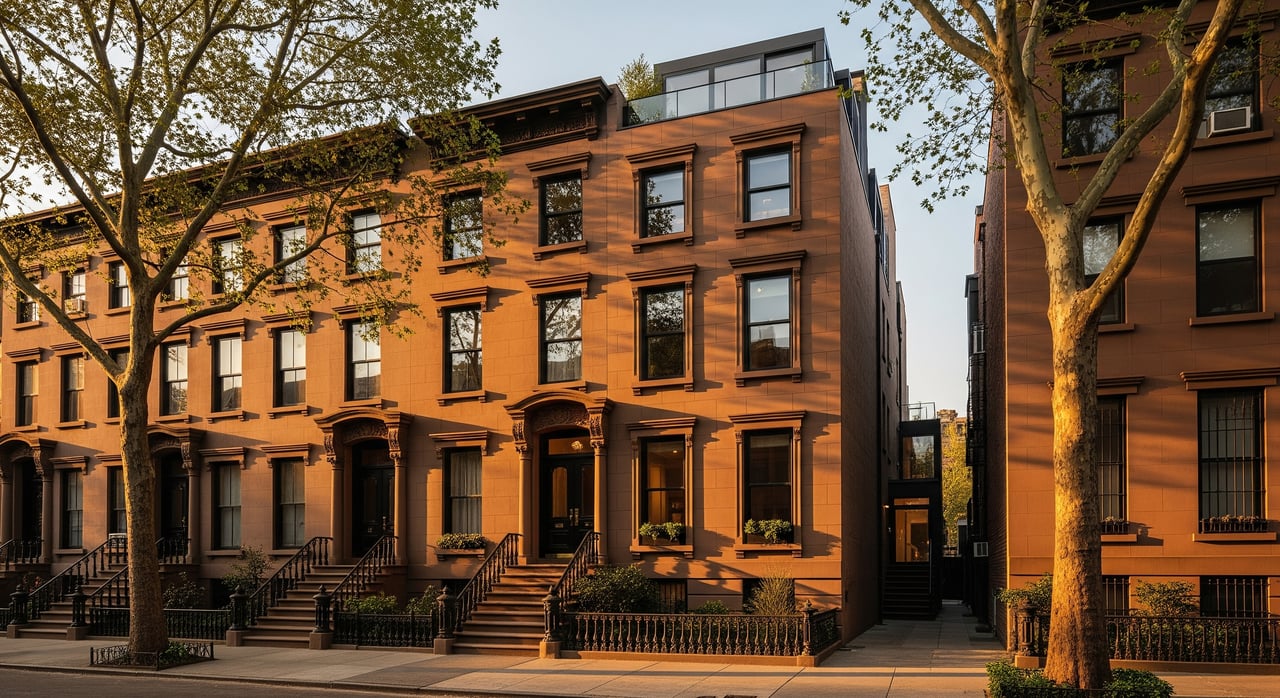
Zoning rules control how much floor area you can build on a lot. FAR is the key metric. Much of Boerum Hill sits in contextual districts such as R6B, where regulations aim to preserve mid-block rowhouse scale and manage building height and massing.
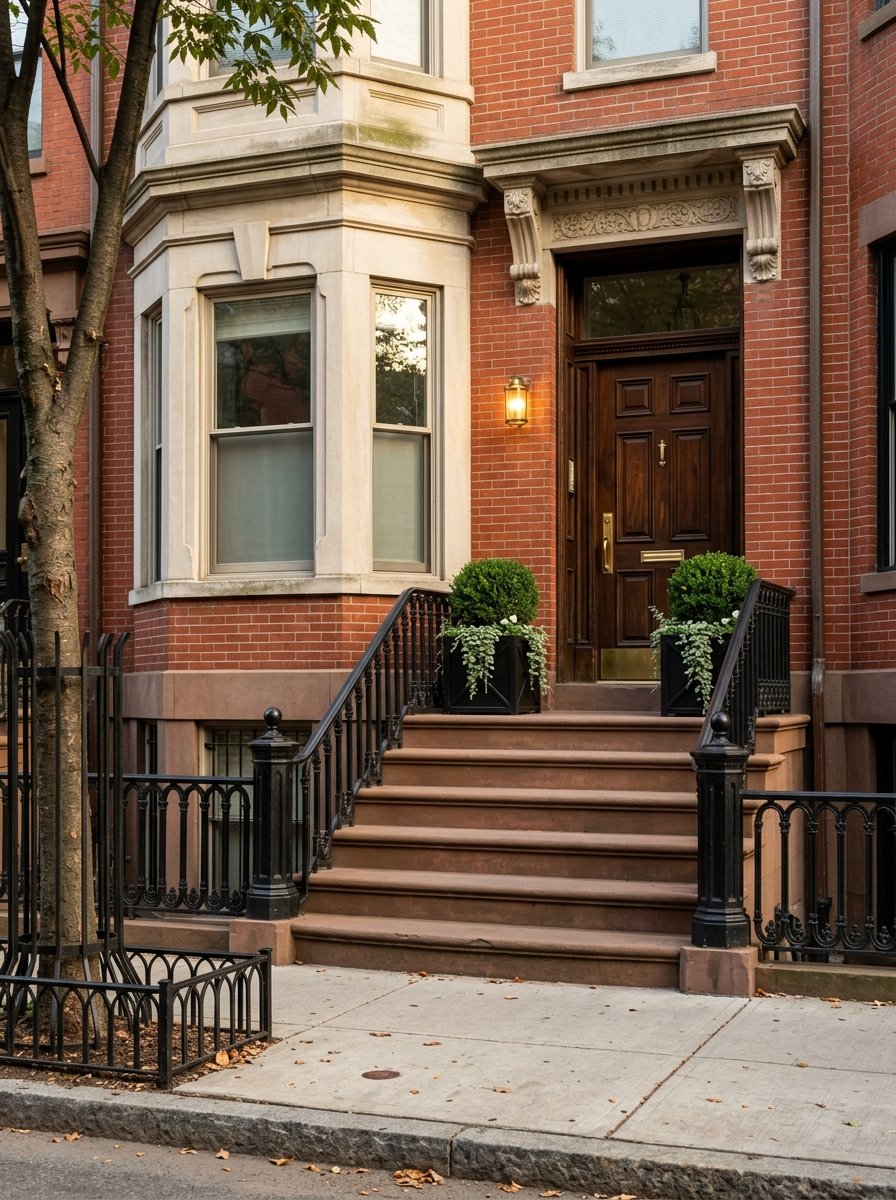
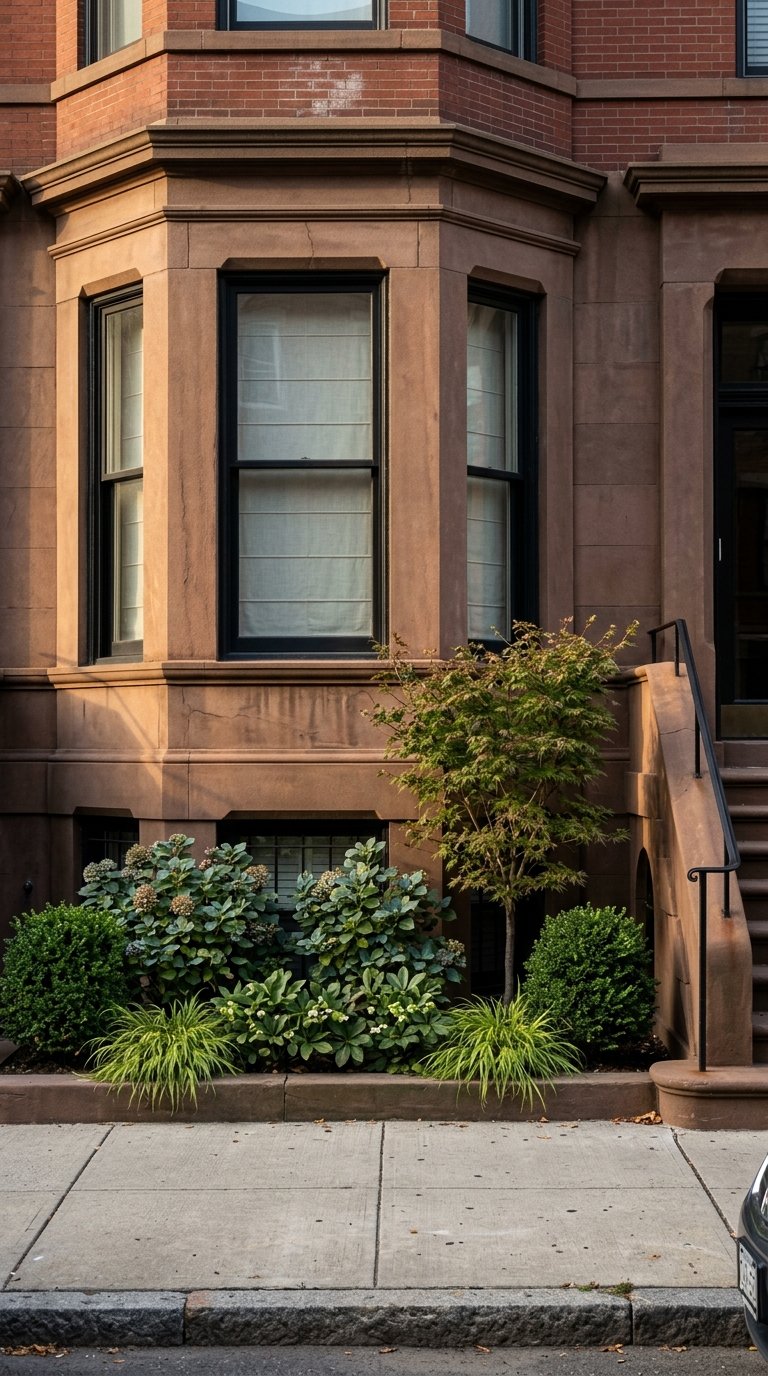
Typical rowhouse lots here are narrow and deep, often about 16 to 20 feet wide and 80 to 100 feet deep. Because the lot area is modest, the allowed floor area is also modest in absolute terms. That means even small changes in counted square footage can materially affect value in a single property.
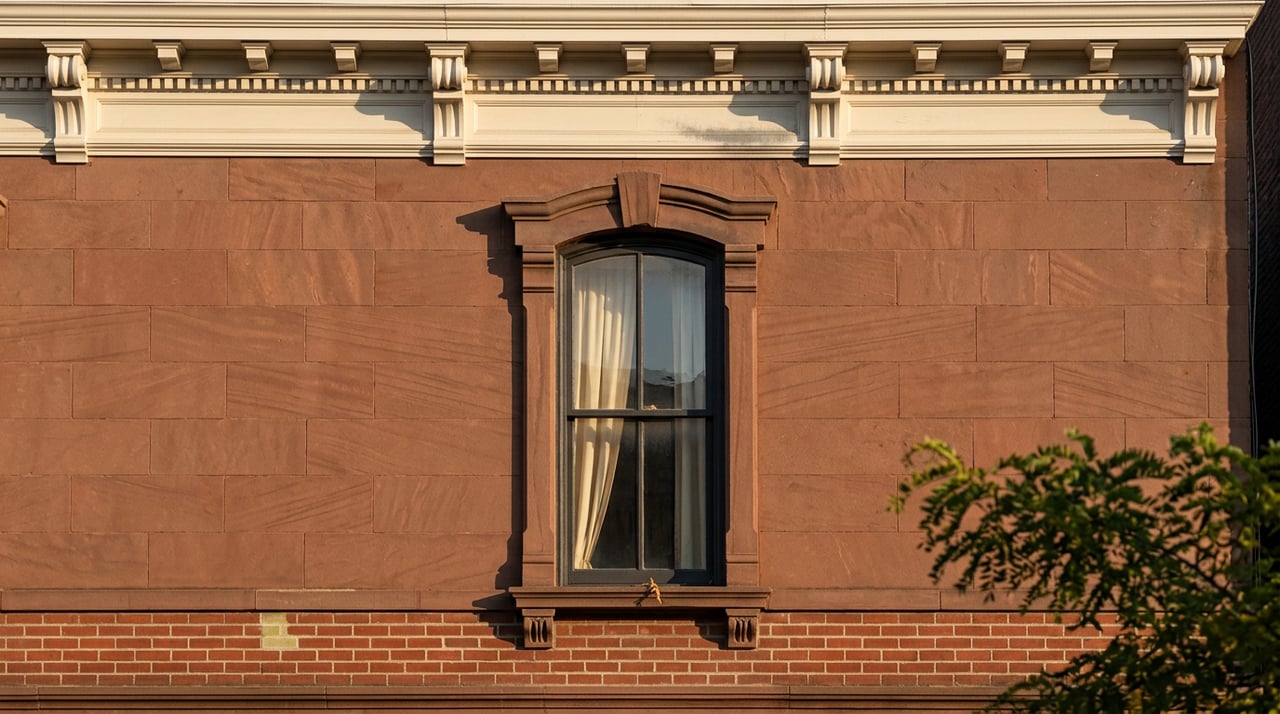
Always confirm the exact zoning for your parcel and any overlays that apply. Boerum Hill includes historic district areas where Landmarks Preservation Commission review can limit or slow exterior work that changes visible massing.
The FAR formula, simply put
FAR is the permitted floor area divided by the lot area. As a simple illustration, a 20 foot by 100 foot lot has 2,000 square feet of lot area. If the allowed FAR were 2.0 in a given scenario, the total permitted floor area would be 4,000 square feet. This is an example to show the math, not a district-specific allowance.
What counts as floor area
Understanding what is included in floor area versus what can be excluded is where many projects win or lose feasibility.
Areas that usually count
- Full-height above grade residential or commercial floors measured to exterior walls.
- Basements that meet the zoning definition of a floor.
- Mezzanines that exceed threshold size or height limits.
- Enclosed stairs, circulation, interior walls, and qualifying habitable attics.
Common exclusions or conditional exclusions
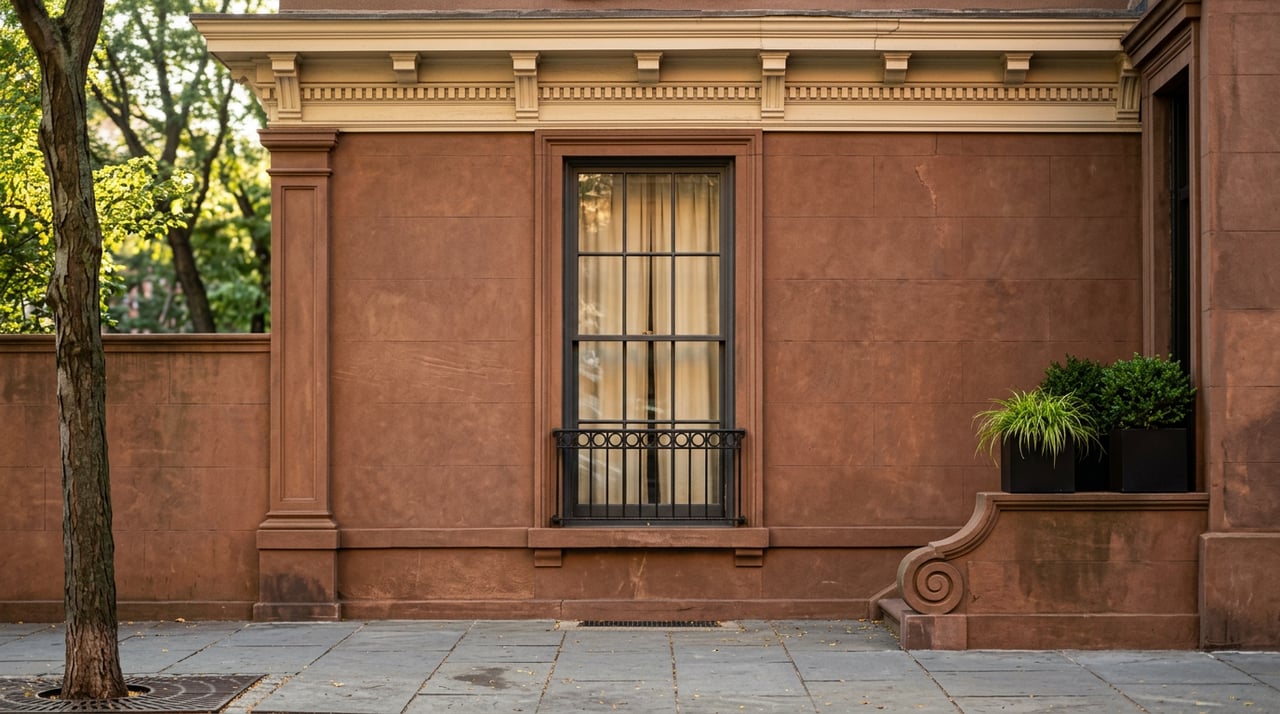
- Cellars vs. basements. A true cellar is often not counted in FAR, while a basement typically is. The distinction depends on objective measurements such as the relationship to grade and interior floor heights.
- Certain rooftop bulkheads, mechanical rooms, and accessory penthouses may be excluded within strict limits tied to size, use, and height.
- Open, unenclosed elements such as stoops and some porches are often excluded.
- Some below grade parking and utility spaces can be excluded in limited circumstances.
These exclusions are technical and subject to detailed rules. Whether an element is excluded is confirmed during plan review.
Boerum Hill scenarios that matter
- Garden-level conversions. Converting a cellar-like space into living space can change whether it counts toward FAR, which may trigger Department of Buildings review and affect what is legally permitted.
- Attic or roof conversions. Creating a new story within the roofline or adding a rooftop volume often counts toward FAR unless it fits narrow exclusions. Historic district visibility limits can be decisive.
- Rear-yard additions. Enclosed rear extensions generally count toward FAR. They must also satisfy rear-yard and open space requirements, and may require Landmarks approval if visible.
Why the cellar vs. basement line matters
On a rowhouse lot, that single distinction can shift hundreds of counted square feet. A space that qualifies as a cellar may not count toward FAR. If it becomes a basement or a countable floor, it likely will. This difference changes both what you can build and what it is worth.
How FAR shapes value
FAR is not just a planning metric. It is a financial lever that influences price, renovation scope, and exit strategy.
The basic value equation
Buildable floor area equals FAR multiplied by lot area. If you can add legal, countable floor area, you increase the supply of saleable or rentable space. A simple way to think about uplift is: incremental sellable square feet times expected sale price per square foot, minus construction, soft, carrying, and permitting costs.
Because Boerum Hill lots are small, a few hundred additional legal square feet can change the economics of a townhouse project or a small multi-unit plan.
A simple hypothetical
Using the 20 foot by 100 foot example, the lot area is 2,000 square feet. If the permitted FAR were 2.0 in your case, you would have 4,000 square feet of total permitted floor area. If you identify 400 square feet that can be reclassified and legally finished, total legal area could rise to 4,400 square feet, a 10 percent increase. To size the upside, multiply that increment by market pricing for your product type, then subtract all-in costs.
Typical project types and FAR impact
- Interior gut with basement finish. Usable area may increase. Whether FAR increases depends on cellar versus basement classification.
- Rear-yard extensions. Adds counted floor area if compliant with rules. Rear-yard depth and lot coverage can limit scope. Historic review may apply.
- Vertical additions. Often increase counted floor area but are constrained by contextual height and massing rules and by Landmarks if visible. Some scenarios may require a variance.
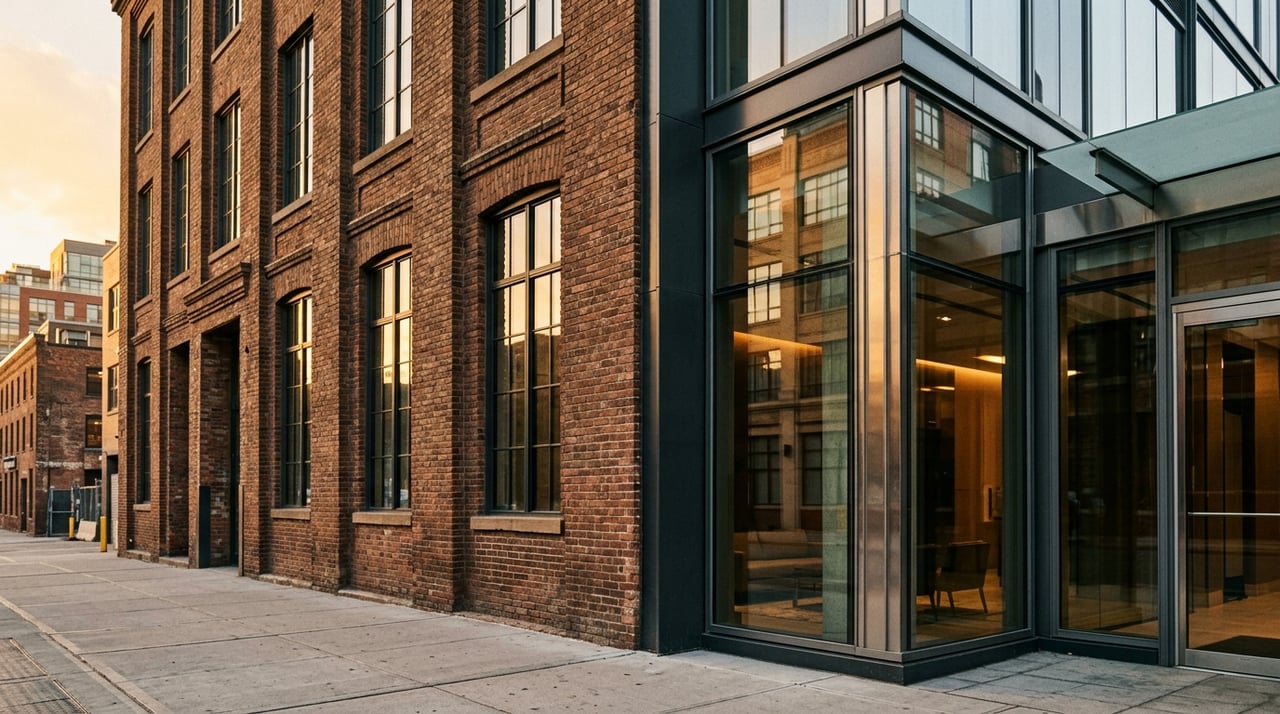
- Merging zoning lots. Combining adjacent lots raises total permitted buildable area because the lot area grows. The average FAR does not change, and the process can be complex.
Market realities to weigh
- Price per square foot varies by product type. A single-family townhouse differs from a condo unit outcome.
- Construction costs in Brooklyn are high and rising. Small additions at high cost may not pencil on every block.
- Historic district constraints can limit or reshape additions, reducing the practical upside you can capture.
Due diligence before you buy or build
Good outcomes follow good groundwork. Before you rely on potential FAR, confirm the facts and the path to approvals.
Confirm the rules
- Verify the zoning designation for the lot and whether it sits in a contextual district or has overlays.
- Pull Department of Buildings records and the current Certificate of Occupancy to confirm existing legal floor area.
- Commission an as-built measured survey and floor plans noting lot dimensions and below grade conditions.
- Check if the property is within a Landmarks historic district and review prior approvals on the block.
Assemble your team
- Engage an architect or zoning consultant for a parcel-specific analysis that computes allowed FAR, what currently counts, and realistic addition scenarios.
- Get early contractor pricing and timelines for construction and permits.
- Evaluate utilities, egress, and building systems to confirm whether added area or additional units are practical.
Permitting and risk factors
- Landmarks approvals for exterior work can take months and may require design changes.
- Department of Buildings plan exam can trigger scope additions, such as life-safety upgrades when you add habitable area.
- Variances go to the Board of Standards and Appeals and carry time and outcome risk.
- Lenders often underwrite to existing legal square footage rather than potential buildable area.
Smart strategies for owners and investors
- Validate existing conditions. Confirm legal floor area and how below grade space is classified.
- Target high-ROI moves. Focus on additions that reliably count and fit within contextual and historic limits.
- Design for approvals. Shape concepts with Landmarks and zoning in mind so you can move through reviews with fewer surprises.
- Plan the exit early. Decide whether you are selling a single-family townhouse, a two-family conversion, or condo units, and model per square foot pricing and costs accordingly.
When to bring in a specialist
If you are weighing a purchase or a renovation in Boerum Hill, a technical advisory partner can save time and protect value. Brennan Global Properties combines brokerage with architectural and development fluency, which means you get guidance on entitlement, product positioning, and a sales strategy that fits your path, including international distribution through a global network. To discuss your property or a potential acquisition, connect with Donald Brennan to schedule a private consultation.
FAQs
What is FAR in NYC zoning?
- FAR is the ratio of total permitted floor area to the lot area. It sets how much you can legally build on a specific parcel.
How do I confirm my lot’s FAR in Boerum Hill?
- Verify your zoning district using official city mapping tools, then have an architect or zoning consultant compute allowed floor area and any applicable rules.
Does finishing my cellar change FAR in Boerum Hill?
- It depends on whether the space is a cellar or a basement by zoning definitions. A cellar is often not counted in FAR, while a basement typically is.
Can I add a story on a Boerum Hill rowhouse?
- Possibly, but contextual height and massing controls and Landmarks visibility rules apply on many blocks. Some scenarios may also require a variance.
How much is added legal square footage worth in Boerum Hill?
- Value depends on product type and local comps. Estimate by multiplying the added square feet by expected price per square foot and subtracting all-in costs.
What are the biggest FAR-related pitfalls for small projects?
- Assuming as-built areas are legal without records, misclassifying cellar versus basement, underestimating Landmarks and DOB requirements, and overestimating the ease of vertical additions.