Leave a Message

Thank you for your message. We will be in touch with you shortly.

Brownstone vs. Townhouse: Cobble Hill Buyer’s Guide

December 4, 2025

Brownstone vs. Townhouse: Cobble Hill Buyer’s Guide

Are you torn between the romance of a brownstone and the flexibility of a townhouse in Cobble Hill? You are not alone. Many buyers love the neighborhood’s historic blocks yet want clarity on what each option really means for lifestyle, maintenance, permits, and long-term value. In this guide, you will learn the real differences, the tradeoffs to expect, and the steps that help you move forward with confidence. Let’s dive in.

Brownstone vs. townhouse: the basics

What a brownstone means here

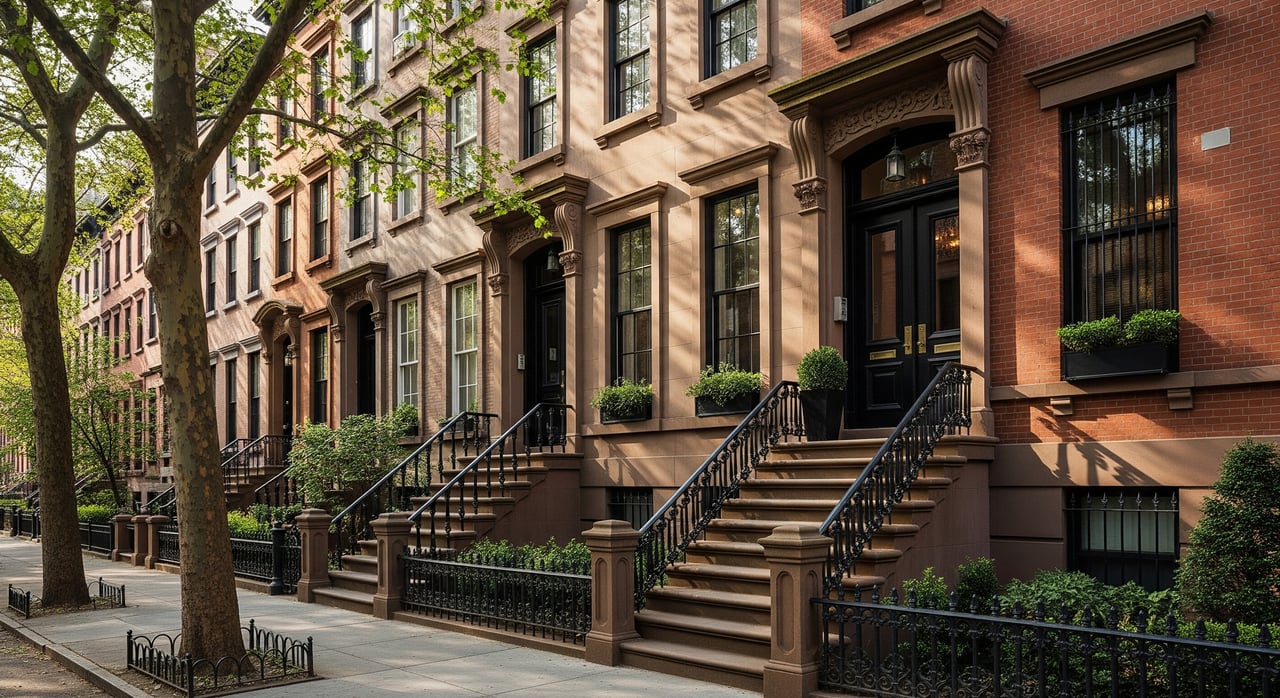
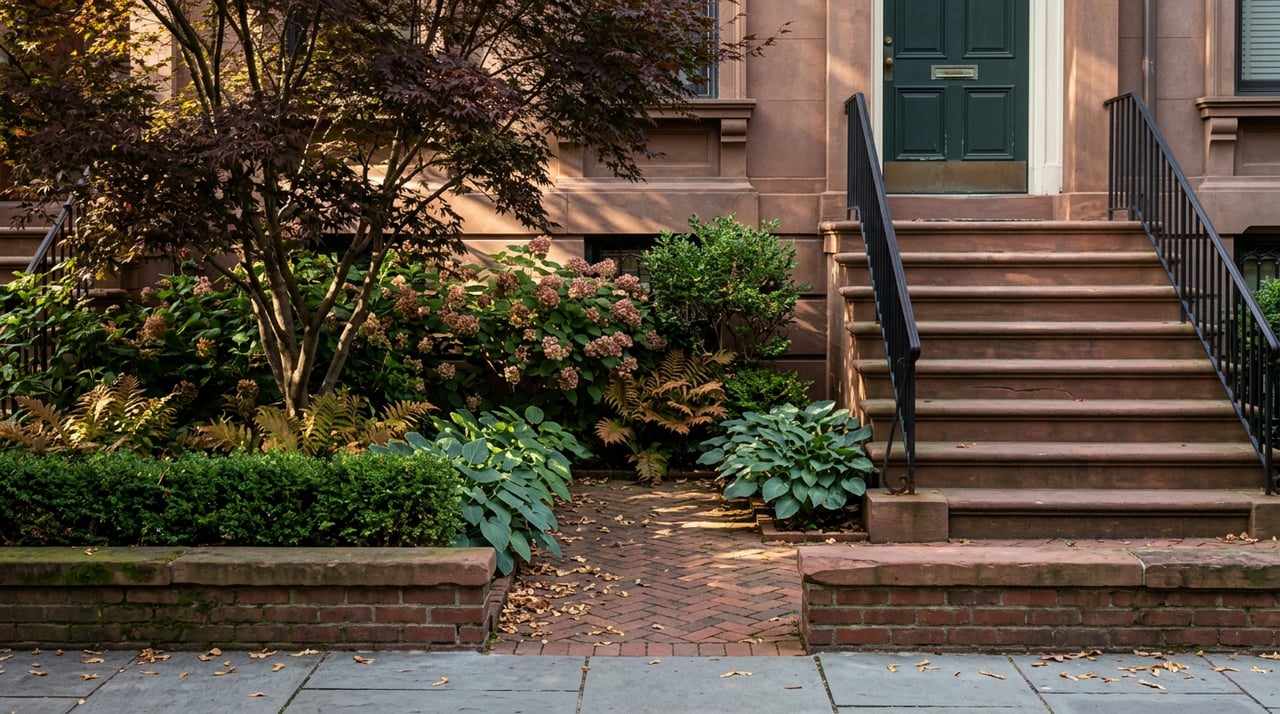
In New York, a brownstone is a rowhouse with a street-facing façade clad in brown-colored sandstone. In Brooklyn, people also use brownstone to describe a classic attached house with a stoop and a formal parlor floor. So the word refers to both the façade material and a house type you see throughout Cobble Hill.

What a townhouse means

A townhouse is a multi-floor, attached dwelling. It can be single-family or legally multi-family. The term focuses on how you live in the building rather than the façade material. In marketing, townhouse sometimes suggests a renovated interior with updated systems, while brownstone can signal preserved historic exterior fabric.

Rowhouse as the umbrella term

Rowhouse is the neutral architectural term for attached houses in a continuous row. In Cobble Hill, rowhouses include brownstone-faced homes and brick-front homes from the mid-19th century and early 20th century. When you compare listings, remember that brownstones and townhouses are both rowhouses, but their materials and eras shape upkeep and value differently.

Why it matters in Cobble Hill

Cobble Hill’s streets are part of a landmarked historic district with many contributing properties. Exterior work visible from the street usually requires review by the New York City Landmarks Preservation Commission. You will likely need LPC approval for visible exterior changes. That helps protect neighborhood character and long-term value, but it can add time and require historically appropriate materials and methods.

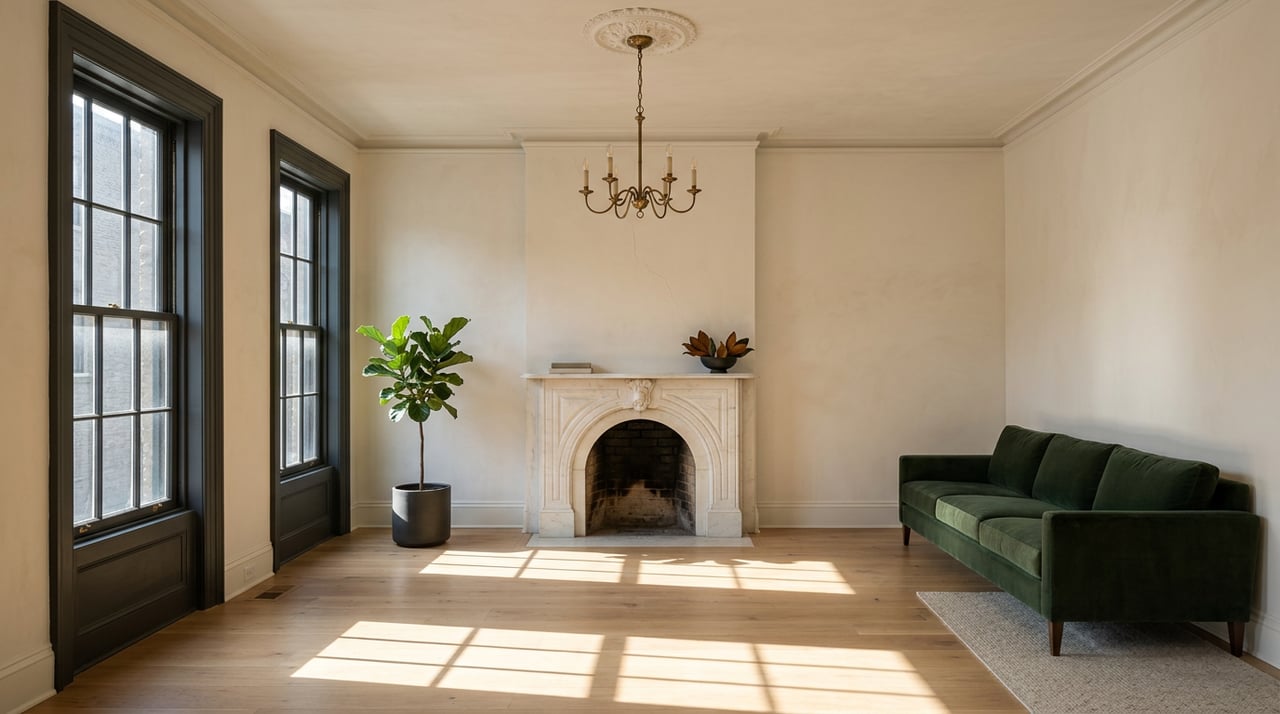
Many houses date to the 1840s to 1880s. Original plaster, millwork, tall parlor ceilings, and heavy timber framing are common and highly prized. Interiors were reconfigured over the decades, so a house that began as single-family may have a multi-family certificate of occupancy. That history affects financing, insurance, and your renovation plan.

Construction and layout essentials

Era and floorplan

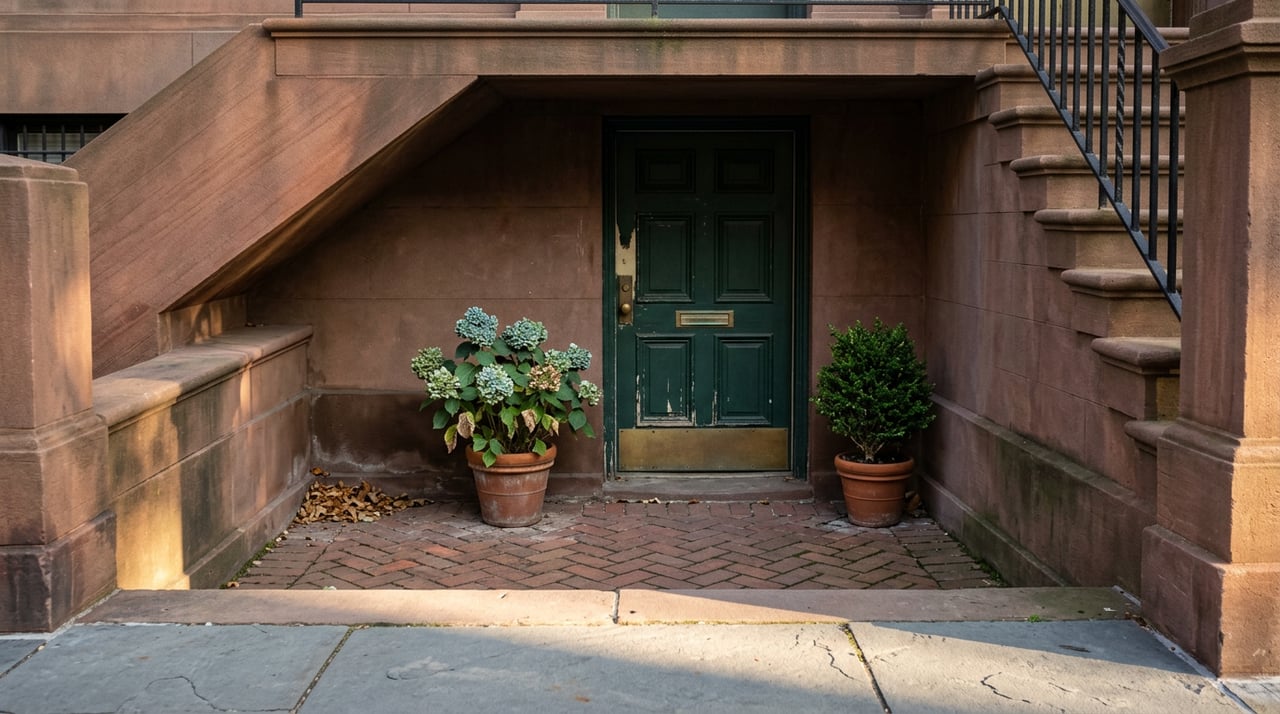
Most Cobble Hill homes are 3 to 5 stories including basement. The parlor floor often has the tallest ceilings and formal rooms. Many houses sit on narrow lots, commonly around 16 to 20 feet wide, which influences layout and furniture planning. Some properties have legal rear extensions or excavated basements that add livable area. Always confirm that past changes match the official record.

Materials and what they mean for upkeep

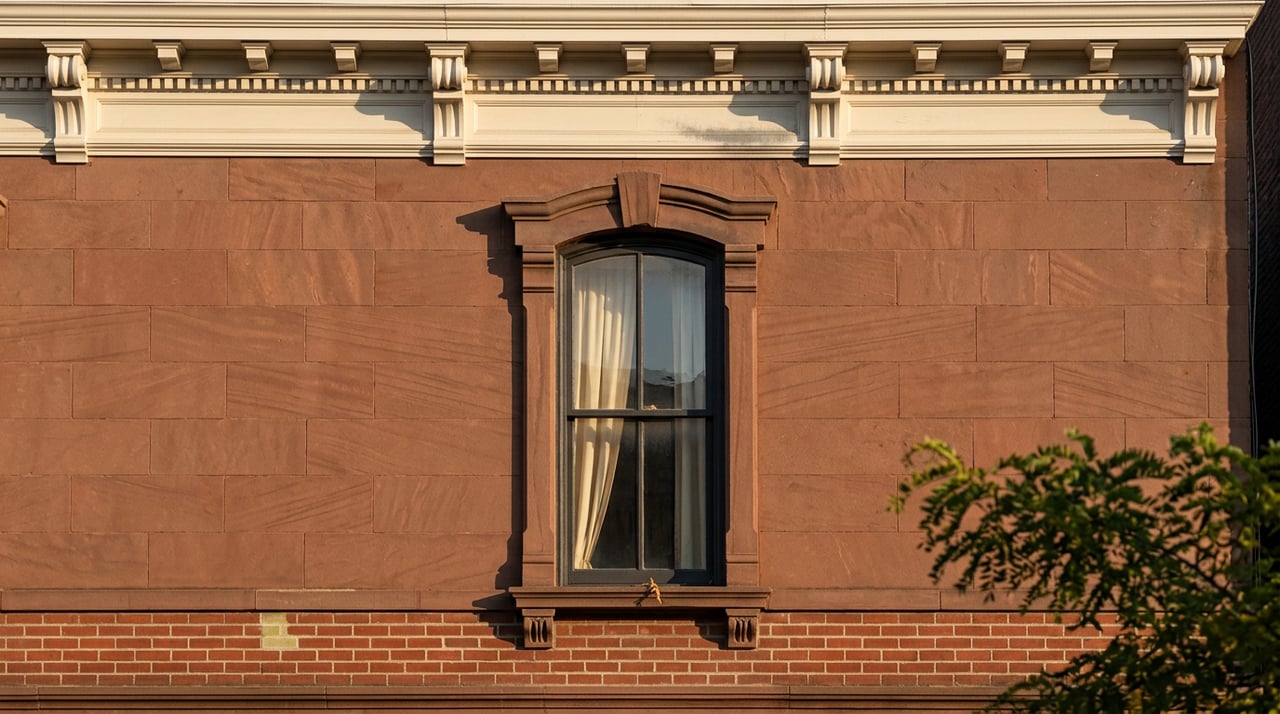
  • Brownstone: Beautiful but relatively soft sandstone. It can flake or spall when exposed to moisture or salts. Repairs require specialists who use compatible patching and mortar. Incorrect methods can worsen damage over time.
  • Brick: Durable, but mortar joints need periodic repointing. Failing steel lintels or window flashing can drive cracking and bulging, so look beyond surface repairs.
  • Limestone or marble trim: Hard and durable, but often show staining or biological growth. Cleaning and repair methods differ from brownstone and brick.
  • Roofs: Typically flat membrane systems. Ponding water, failing flashings, and parapet issues are common sources of leaks.

If you want to read technical guidance on historic masonry and stone, the National Park Service Preservation Briefs are a reliable resource.

Lot width, additions, and basements

Narrow lots limit horizontal expansion. Rear or rooftop additions can add meaningful space, but they must comply with zoning, and if visible from the street, they also require LPC review. Basement height varies across the neighborhood. Some owners have legally increased height, which requires structural plans and permits. If you are counting on a gym, media room, or guest suite below grade, have an engineer assess feasibility early.

Permits, zoning, and financing

Landmark approvals

If your exterior scope is visible from a public way, plan for LPC review. Replacing a stoop, repointing a façade, or changing windows can be straightforward with the right team, but the details matter. Start by verifying your address status and past approvals in LPC’s application resources. Interior work is usually not regulated unless the interior is specifically designated.

DOB, CO, and zoning checks

Before you bid, confirm the building’s permit and certificate of occupancy history. The NYC Department of Buildings Building Information System is where you can review job filings, open violations, and CO records. For expansion potential, use the city’s ZoLa zoning map to understand floor area, height, and yard rules for your block. Zoning and landmark rules together define what you can add and how long it may take.

Financing, appraisal, and insurance

Most single-family and two-to-four family townhouses are mortgage-eligible. Lenders and appraisers will look closely at condition. Significant deferred maintenance can reduce appraised value or require repair escrows. If you plan a major renovation, ask about renovation loans such as Fannie Mae HomeStyle Renovation or FHA 203(k). For insurance, confirm replacement-cost assumptions for historic materials and check flood maps through the FEMA Flood Map Service Center.

Common issues to check on tour day

Use this quick list to guide your first visits. Bring a flashlight and take notes so you can compare homes clearly.

Façade and stoop

  • Look for flaking or patched brownstone, open mortar joints, stained areas, and step cracks.
  • Check metal railings and newel posts for corrosion or movement.
  • Note window and door lintel conditions. Rust jacking or failed flashing often shows as step cracks above openings.

Structure and foundation

  • Watch for sloping floors, door misalignment, and plaster cracks near party walls.
  • Ask about any underpinning or basement lowering. Unpermitted work can complicate closings and future projects.

Roofs and water

  • Look for roof patches, ponding, or soft spots. Ask about the age of the membrane and whether warranties are transferable.
  • Inspect chimneys and parapets for cracks and missing caps.

Mechanical, electrical, plumbing

  • Identify the electrical service size and panel type. Knob-and-tube wiring may still be present in older homes.
  • Look at visible plumbing in the basement. Galvanized supply lines and cast-iron drains can signal near-term replacement.
  • Review heating and cooling. Many homes rely on older boilers or window AC units. Full central HVAC is possible but requires careful routing.

Environmental health

  • For pre-1978 homes, assume there may be lead-based paint. Asbestos may be present in old insulation or floor tiles.
  • Check for moisture in basements and around baths and kitchens. Plan for proper ventilation and waterproofing.

Value drivers and tradeoffs

  • Historic fabric vs. turnkey: Original woodwork, mantels, and tall ceilings add character and often command premiums. They may also require specialized repair and proactive care.
  • Visibility and rules: Landmark protections preserve streetscape appeal and tend to support long-term value. They add review steps and can extend timelines for exterior changes.
  • Layout choices: Narrow floorplates and stoops create a vertical lifestyle. Open-plan interiors are possible but may require a gut renovation and structural work.
  • Brownstone material vs. brick: Brownstone facades are iconic and warm in tone. Brick is typically more forgiving to maintain. Your long-term budget should reflect the façade you choose.

Which one fits your goals

  • Choose a brownstone if you value original architectural character, stoop-life charm, and are comfortable planning for specialized façade care over time.
  • Choose a townhouse with a renovated interior if you want modern systems and open layouts with fewer near-term projects.
  • Choose either if you are ready to pursue a thoughtful, permitted expansion. Focus on a property with zoning capacity, cooperative neighbors, and a clear DOB and LPC path.

How Brennan Global Properties helps

You deserve more than a listing tour. You deserve an advisor who understands how architecture, approvals, and pricing intersect on Cobble Hill blocks. With architectural training and development experience, we help you:

  • Verify LPC status, DOB history, CO, and zoning capacity before you bid.
  • Assess façade and structural conditions with the right specialists so there are fewer surprises after contract.
  • Model renovation paths that balance historic character with modern systems and layouts.
  • Navigate entitlement for additions and exterior work, then execute a smart acquisition and exit strategy if you are an investor.

Ready to compare specific addresses or plan a purchase strategy tailored to your goals? Schedule a private consultation with Donald Brennan.

FAQs

What is the difference between a brownstone and a townhouse in Cobble Hill?

  • Brownstone refers to a façade material and a classic stoop-front rowhouse type, while townhouse describes the multi-floor attached dwelling regardless of façade material. Both are rowhouses, but materials and era drive maintenance and renovation paths.

Are Cobble Hill homes landmarked, and how does that affect renovations?

  • Many blocks are within a historic district. Exterior work visible from the street typically needs LPC approval, which can add time and require historically appropriate materials and details.

How do I check a building’s permits and certificate of occupancy in NYC?

Can I add a rear or rooftop addition to a Cobble Hill townhouse?

  • It depends on zoning and visibility from the street. Start with the block’s rules in the city’s ZoLa zoning map and plan for LPC review if the addition is visible.

What financing options exist if the house needs work?

  • Ask lenders about renovation loans such as Fannie Mae HomeStyle Renovation or FHA 203(k). Lenders may require repair escrows if there is significant deferred maintenance.

How do flood zones affect Cobble Hill townhouses?

  • Check the property’s status in the FEMA Flood Map Service Center. If the home is in a mapped zone, factor flood insurance availability and cost into your budget.

Work With Us