What West Chelsea High Line Living Feels Like
July 9, 2026
July 9, 2026
If you have ever walked through West Chelsea and wondered how one part of Manhattan can feel like a gallery district, a design showcase, and a lived-in neighborhood at the same time, you are not imagining it. This area has a layered identity shaped by industrial history, public space, and carefully planned growth. If you are considering a move, an investment, or simply trying to understand what daily life here really feels like, this guide will help you read the neighborhood more clearly. Let’s dive in.
West Chelsea is not simply another name for Chelsea. New York City’s Special West Chelsea District was created to support a mixed-use neighborhood with residential uses on selected streets, arts-related uses, and the reuse of the High Line as public open space.
That planning framework matters because it helps explain why the neighborhood feels so varied block to block. You can move from preserved industrial buildings to newer residential architecture, then pass a row of galleries before reaching the waterfront. In West Chelsea, that mix is not accidental. It is part of the neighborhood’s structure.
The area also includes the West Chelsea Historic District, designated in 2008. This district covers a waterfront band between West 25th and 28th Streets and preserves a rare surviving industrial landscape that reflects the area’s former shoreline and working past.
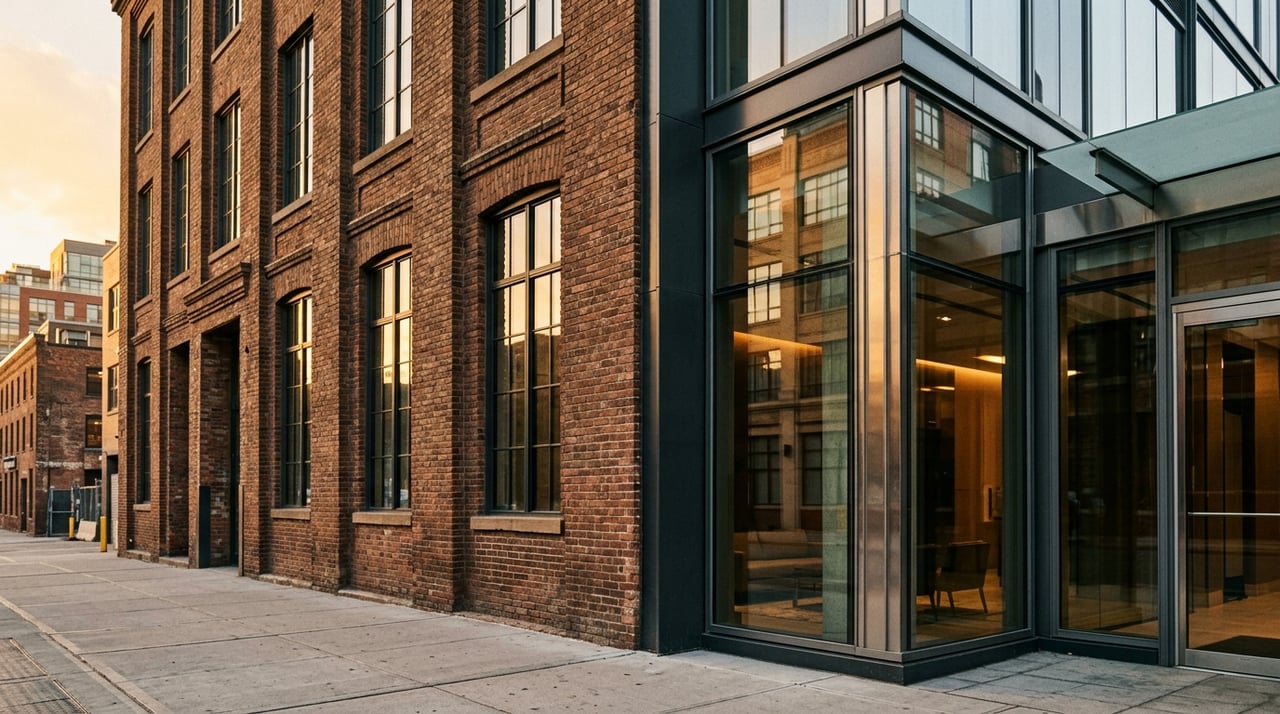
Before West Chelsea became known for contemporary art, it was defined by warehousing, freight handling, and industry. Landmark structures such as Cornell Iron Works, Terminal Warehouse, and the Starrett-Lehigh Building reflect that earlier chapter and still give the area much of its physical character.
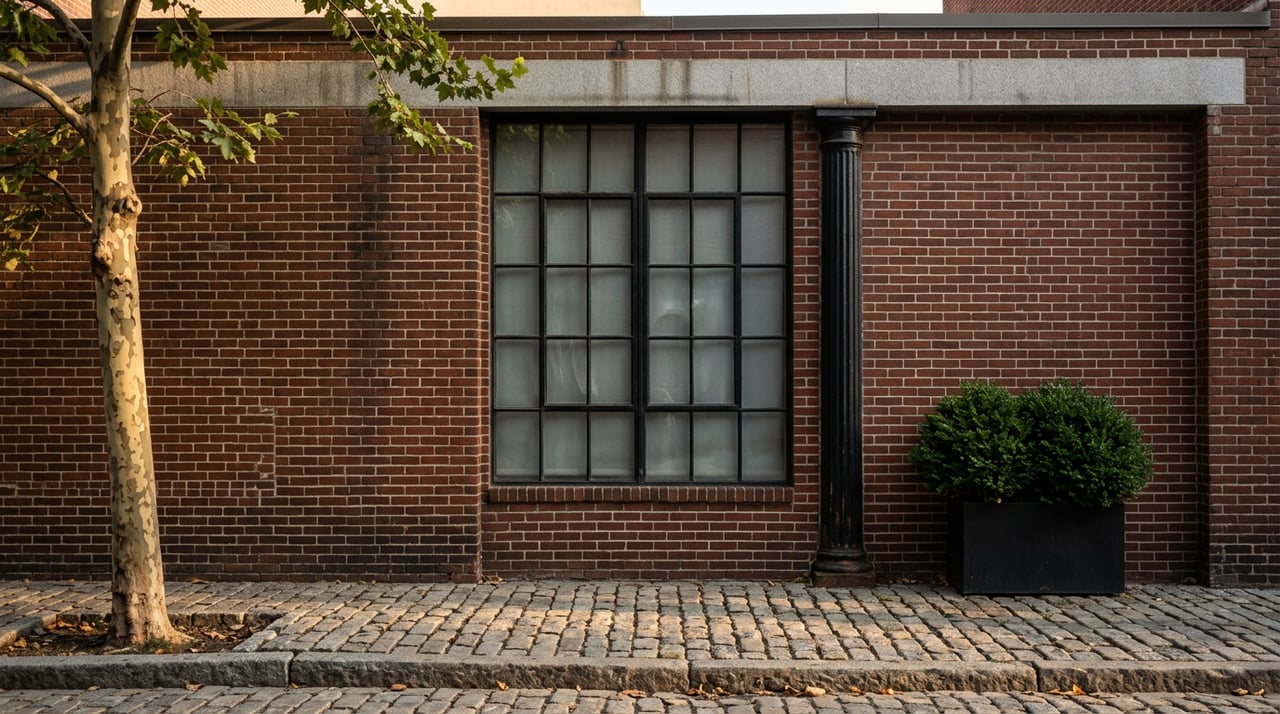
That history is not just background. It is visible in the scale of buildings, the generous windows, the loft-like volumes, and the durable materials that continue to define many streets. For buyers and investors, this built fabric helps explain why West Chelsea can feel more architectural and more spatially distinctive than many nearby neighborhoods.
The neighborhood’s industrial building stock also created the conditions for adaptation. Large floor plates and converted warehouse spaces made the area especially attractive for new cultural uses as the district evolved.
In the 1990s, galleries began moving into former garages, factories, and warehouses in West Chelsea. By 1997, nearly 40 galleries had opened or relocated here, mostly between West 20th and West 24th Streets.
That shift helped redefine the neighborhood. Planning documents later described West Chelsea as a global showcase for contemporary art, with galleries concentrated in converted loft buildings, upper floors, and ground-floor spaces in newer residential projects.
What matters today is that the gallery presence is still active, especially across the West 20s. This is one reason ordinary movement through the neighborhood feels different from many residential areas. A weekday walk might include visitors moving between exhibitions, residents heading home, and people stopping in public spaces nearby.
West Chelsea’s lifestyle is strongly shaped by how easy it is to move through the neighborhood on foot. Rather than revolving around a single commercial strip, the area is organized around a network of public spaces, midblock destinations, residential corridors, and cultural stops.
For many residents, that means daily routines can feel unusually layered. A short walk may take you from a quiet residential building to an art opening, from the High Line to the waterfront, or from a loft-lined block to a more active avenue.
This pattern gives West Chelsea a lived-in rhythm that feels distinct from office-heavy or purely destination-driven areas. The neighborhood supports repeat use, not just occasional visits.
The High Line is one of West Chelsea’s defining public spaces. Built on the former West Side Line, this 1.45-mile park runs from Gansevoort Street to West 34th Street between 10th and 11th Avenues.
It is easy to think of the High Line as a landmark for visitors, but it functions as much more than that. Friends of the High Line notes that it hosts more than 450 public programs and activities each year, which helps explain its role as both promenade and community space.
For residents, that means the High Line is part of everyday life, not just a backdrop. It influences walking routes, building outlooks, neighborhood energy, and the way West Chelsea connects to nearby districts.
To the west, Hudson River Park gives West Chelsea another major layer of open space. The larger park spans four miles along Manhattan’s west side, and the Chelsea section runs from West 17th to West 34th Streets.
Within that section, you will find Chelsea Piers, Chelsea Waterside Park, Pier 62’s carousel and skatepark, the lawns at Piers 63 and 64, and the floating setting of Pier 66a. Chelsea Piers also includes sports and entertainment uses such as golf, ice skating, rock climbing, bowling, and marina functions.
This broad public-space network helps define the neighborhood’s day-to-day feel. Riverfront exercise, casual outdoor time, and regular park use are not side benefits here. They are part of the local pattern of life.
A common question is whether West Chelsea is mostly galleries or whether people really live here. The answer is clear: the neighborhood includes a substantial residential presence, with conversions and newer development integrated into the district.
City planning documents describe residential development and conversions west of Tenth Avenue, including large loft buildings on Eleventh Avenue and midblocks, along with three- to five-story walkups on Tenth Avenue. Many newer or converted residential buildings along West 22nd through 24th Streets also keep gallery uses at ground level.
That combination is a key part of West Chelsea’s identity. The neighborhood can feel residential and culturally active at the same time because the uses are layered into the same blocks and, in some cases, the same buildings.
West Chelsea is not a one-note housing market. Instead, it offers a mix of converted loft buildings, boutique condominiums, and a smaller group of highly recognizable contemporary towers.
Examples help tell the story. 520 West 28th is a 39-unit condominium designed by Zaha Hadid with glass-and-steel construction, terraces, and views toward the High Line. The Cortland at 555 West 22nd Street is a 25-floor, 144-unit waterfront condominium. The XI adds two twisting residential towers with 236 luxury residences and floor-to-ceiling glass.
These projects show why West Chelsea reads differently from a uniform high-rise district. The area combines preserved industrial buildings, lower-scale residential stock, and design-forward new construction in close proximity.
One of the most important things to understand about West Chelsea is how quickly the neighborhood shifts as you move outward. The city’s planning framework specifically aimed to create transitions between lower-scale Chelsea to the east and Hudson Yards to the north.
That means context matters. Closer to Hudson Yards, the atmosphere becomes more development-heavy and closely tied to newer construction and larger-scale urban infrastructure. To the south, the riverfront experience becomes more destination-oriented as you approach features associated with the Meatpacking area.
West Chelsea sits in between, but it does not disappear into either side. Its combination of art spaces, loft buildings, residential conversions, and public open space gives it a distinct center of gravity.
If you are evaluating West Chelsea as a place to buy, the most useful lens is not just price or property type. It is the relationship between architecture, zoning context, public space, and block-by-block character.
A building near gallery corridors may feel very different from one closer to the waterfront or one on a quieter residential stretch. Newer properties may offer a sharper contemporary profile, while converted industrial buildings may appeal for scale, texture, and a more loft-like experience.
For investors and design-minded buyers, this is where close reading matters. In a neighborhood shaped by preservation, adaptive reuse, and carefully structured transitions, the details of location and building type can have an outsized effect on everyday experience.
West Chelsea stands out because it brings together parts of New York that do not always coexist so comfortably. It has an industrial past that remains visible, a contemporary art identity that still feels active, and a daily lifestyle anchored by major public space.
That mix gives the neighborhood lasting appeal. It can feel polished without becoming generic, and active without losing its sense of place. For buyers who care about architecture, walkability, and the texture of everyday life, West Chelsea offers a version of Manhattan that is both cultivated and real.
If you are thinking about buying, selling, or positioning a distinctive property in New York, working with an advisor who understands architecture, context, and product fit can make the process far more strategic. To schedule a private consultation, connect with Donald Brennan.
Stay up to date on the latest real estate trends.
September 3, 2026
August 27, 2026
August 20, 2026
August 13, 2026
August 13, 2026
August 6, 2026
July 23, 2026
July 16, 2026
July 9, 2026