Selling a Brooklyn Heights Landmark Townhouse in 2026
July 23, 2026
July 23, 2026
The headline number from 192 Columbia Heights, a Civil War-era brownstone that traded off-market for $24.5 million this July, tells you what the top of Brooklyn Heights looks like right now. It does not tell you why the deal closed at that price rather than five percent below it.
The answer, on this particular block and in this particular district, is almost always the same. It is the paper trail behind the facade.
Brooklyn Heights is trading on turnkey provenance, not turnkey finishes. Buyers at the top end are paying up for houses whose Landmarks Preservation Commission (LPC) file, Department of Buildings (DOB) file, and Certificate of Occupancy tell the same story as the listing photographs. Sellers who begin resolving that alignment during attorney review are the ones giving back price. Sellers who resolve it before the broker's open house are the ones setting the comps.
That is the friction this post is about. Everything below is evidence.
The recent trades in the district follow a specific pattern.
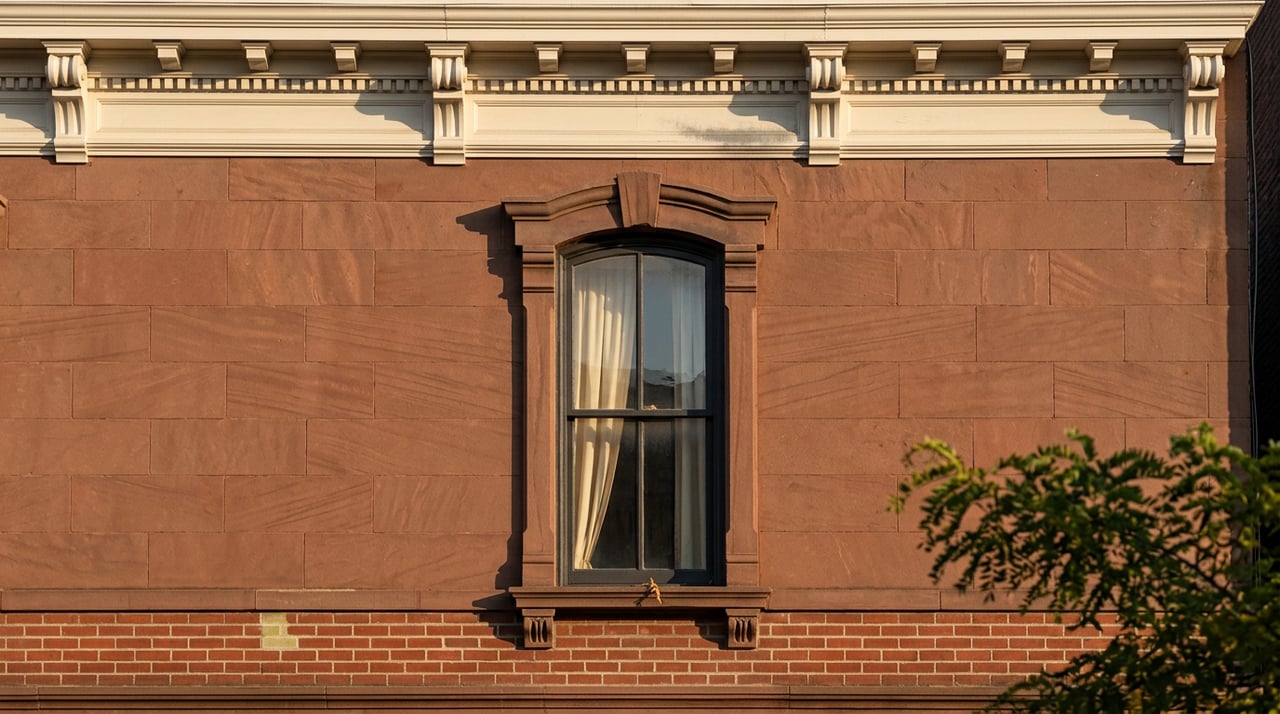
At 192 Columbia Heights, a 6,625-square-foot brownstone recently renovated by Belgian architect Nicolas Schuybroek closed at $24.5 million in an off-market deal that set a borough record for the highest price per square foot and ranks as Brooklyn's third-most expensive residential sale ever. At 307 Hicks Street, a repositioned single-family conversion by Eckstrom reportedly sold for $14.99M, marking the borough's biggest residential sale of early 2026. At 40 Garden Place, the priciest contract of its week in late June was among the wave of gut renovations in the neighborhood, redeveloped in collaboration with Steering House and Brooklyn Studio. At 10 Sidney Place, an $8.5 million ask went into contract in April, sitting directly across from a $22 million 2024 record on the same block.
The Brooklyn Heights broker view on all of this is not subtle. Serhant's Ravi Kantha, who represented the seller at 192 Columbia Heights, framed the shift as a competitive repositioning of the neighborhood itself: "The market in Brooklyn Heights used to be a value alternative for buyers who wanted more space than they could find in the city. It's now a direct competitor to the Village and Upper East Side for some of New York City's wealthiest people."
What links these homes is not square footage or block. It is that each arrived at closing with a coherent, documented, LPC-clean exterior. That coherence is what a $1,348-per-square-foot buyer, the average price per foot on Brooklyn luxury contracts signed in late June per Compass, is actually underwriting.
Almost every friction point a Brooklyn Heights seller encounters can be traced to which LPC path prior work should have taken, and whether it took that path or a shortcut.
| Permit path | What it covers | Realistic timeline |
|---|---|---|
| Permit for Minor Work (PMW) | In-kind exterior repair, window or door replacement in existing openings, masonry cleaning, through-window HVAC | Complete PMW applications can often be approved within about 10 business days, and the agency is legally required to decide within 20 business days once the application is complete |
| Certificate of No Effect (CNE) | Interior work needing a DOB permit that does not affect protected exterior features | Issued when the proposed work does not affect the protected exterior architectural features of a landmark. LPC staff is often backlogged, so expect a 60-day wait |
| Certificate of Appropriateness (CofA) | Rear yard additions, rooftop volumes, cornice replacement, substantial facade changes | Required for major alterations, such as additions, demolitions, or significant facade changes. This process involves a public hearing, which adds at least 90 days |
The seller-side risk sits in two places. First, a prior owner may have completed work that should have been on a CofA track under either a PMW or nothing at all. Second, DOB and LPC filings may not match, which is the specific failure mode buyers' counsel flags in Brooklyn Heights.
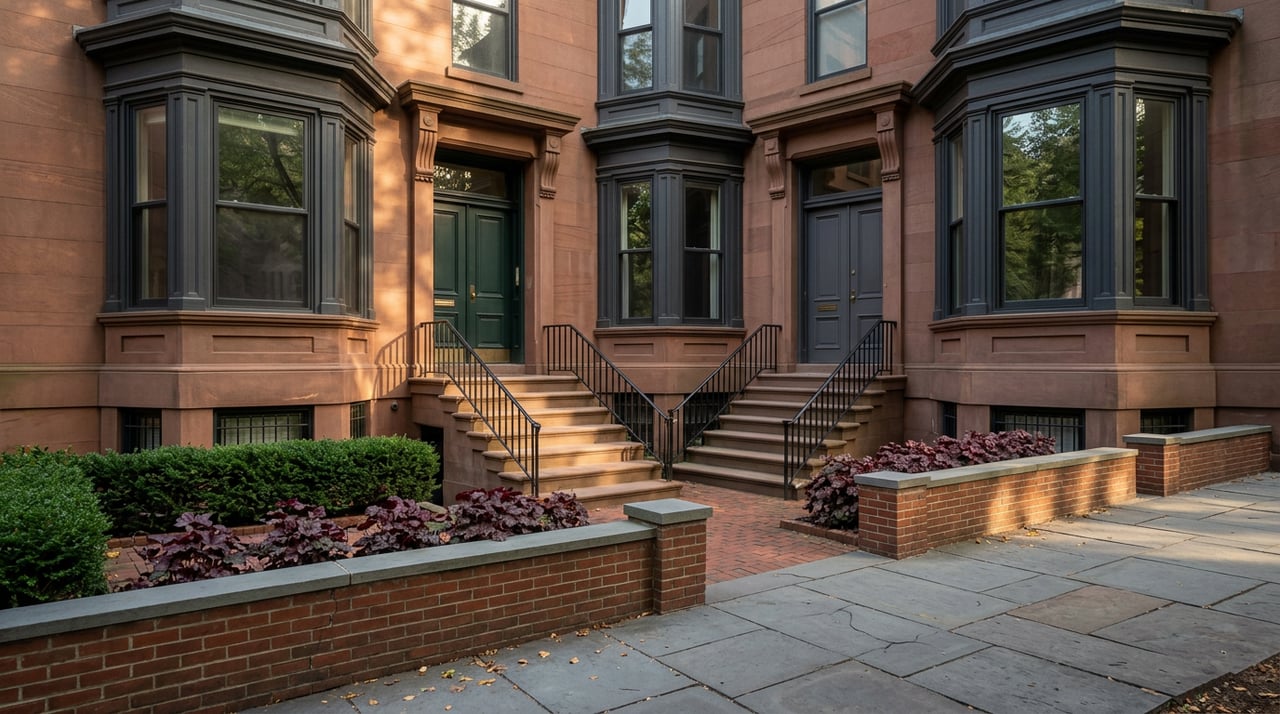
Brooklyn Heights became New York City's first historic district in 1965. This designation means every exterior change is under the scrutiny of the Landmarks Preservation Commission. Sixty years of exterior alterations, not all of them permitted correctly, sit inside your title report.
A live LPC docket from earlier this year, LPC-26-00251, illustrates what the Commission actually pushes back on. The application at 152 Hicks Street, a Greek Revival rowhouse built in 1840, sought to construct a rear yard addition. The Historic Districts Council testimony was direct: HDC finds this proposal inappropriate. We hold our typical stance on rear yard additions that the top two floors of such additions warrant close review.
Read that against the seller's position. If a house currently on market shows a rear extension in listing photographs and the LPC file does not include a corresponding Certificate of Appropriateness, the buyer's attorney will find it. So will the buyer's architect on a walkthrough. Both discoveries reprice.
The same logic runs through the recent Brooklyn Heights docket for storefront work at 150 Montague Street and demolition-and-new-build at 38 State Street, both examples of alterations that a serious buyer's team will trace back to the LPC file before wiring funds.
The rule of thumb worth repeating to any seller preparing to list: if the exterior change is visible from a public way, treat the LPC file as part of the title, not part of the design history.
The second recurring friction is the Certificate of Occupancy. Many Brooklyn Heights townhouses have been carved into two-, three-, or four-unit configurations at some point over the last century, then partially recombined. If the current use does not match the CofO, or if there is no CofO on file, buyer financing tightens quickly. The advice inside the brokerage community is consistent: for townhouses with past conversions to multiple units, check the Certificate of Occupancy and Department of Buildings records. Open violations or illegal alterations can slow a sale or limit buyer financing. Order municipal searches early so you have time to cure issues or plan an escrow.
Two other items belong on the same pre-listing checklist. Pre-1978 houses, which is essentially every original Heights townhouse, require lead-paint disclosure. And regulated tenancies, if any exist, narrow the buyer pool materially because they constrain a future owner's renovation scope.
The macro backdrop matters because it explains why buyers can afford to be selective. In Q2 2026, despite a decline in the number of sales across the city, prices have continued to rise. Manhattan's median sale price reached $1.3 million during the second quarter, while Brooklyn's climbed to $1.05 million, even as the number of closed sales dropped 29.2 percent. Inventory has crept up four quarters running, with the Brooklyn housing market spring 2026 ended Q1 at 3.8 months of supply, up from 3.1 months at the same point in 2025.
Higher-priced single-family homes above $1.5 million in Park Slope, Cobble Hill, and Brooklyn Heights saw the largest inventory increases inside prime brownstone Brooklyn. In a thinner-buyer, longer-marketing-time environment, the seller whose LPC and DOB files are clean is the seller who avoids the mid-diligence renegotiation.
Leslie Garfield's Q1 2026 townhouse report reads the same dynamic at the top of the market: the market remained highly segmented, with steady mid-market performance complemented by exceptional strength at the ultra-prime end. In Manhattan, pricing gains were largely driven by a concentration of trophy-level transactions that elevated average sale prices and price per square foot across several key neighborhoods. While overall deal volume remained relatively stable, demand for turnkey, best-in-class assets continued to outperform. Turnkey now includes the paper.
The pre-market sequence for a Brooklyn Heights townhouse in 2026 is not the same as the pre-market sequence for a Park Slope townhouse or a Cobble Hill townhouse, even though the market data often gets reported together. Three items are specific.
There is also a design point worth stating. Historically appropriate work tends to hold value in this district. Off-the-shelf substitutions do not.
Do I need LPC approval to repaint the facade? Repainting in existing colors is generally routine maintenance. Changing color, cleaning method, or coating type can trigger review. Confirm before the scaffolding goes up.
Can I market the house before permits are closed out? You can list. Sophisticated buyers in Brooklyn Heights, and their attorneys, will still find open items during diligence. The question is whether you would rather discover them on your own timeline or theirs.
Will a modern rear addition help or hurt resale? It depends entirely on whether the addition was approved through the correct LPC path and whether it reads as appropriate to the streetscape and rear-yard context. The 152 Hicks docket is a reminder that the Commission and HDC scrutinize the top floors of rear additions closely.
How early should I start? For a spring listing, the file review begins the previous summer. For a fall listing, it begins in early winter. Long-lead custom components and a possible ~90-day CofA path are the reasons.
Selling a landmarked townhouse in Brooklyn Heights is, at its core, an architectural transaction as much as a commercial one. The comps this year reward sellers whose file matches their facade. If you are considering a sale in the district and want a technical read on where your paper trail stands before the market sees it, Brennan Global Properties is available to schedule a private consultation.
Stay up to date on the latest real estate trends.
September 17, 2026
September 10, 2026
September 3, 2026
August 27, 2026
August 20, 2026
August 13, 2026
August 13, 2026
August 6, 2026
July 23, 2026