What's New in Boerum Hill: Two Openings, Two Paths
August 13, 2026
August 13, 2026
On May 16, 2026, a 32,000-square-foot bathhouse opened on Atlantic Avenue, a few blocks from Barclays Center, and within weeks was hosting a national sauna competition with spectators packed onto benches. Four days later, a storefront on Bond Street a third that size opened. Both addresses sit inside Boerum Hill, a neighborhood of three-story rowhouses that runs roughly nine blocks by five. The same six weeks produced two very different ideas about what a Boerum Hill address is for, and sent them in opposite directions.
Help New York reported that Lonnies opened on May 20 at 112 Bond Street, right at the Pacific Street corner, from the same husband-and-wife team behind Ingas Bar in Brooklyn Heights, Sean Rembold and Caron Callahan. The kitchen runs entirely on induction, no gas at all, and the menu sticks to a short list done carefully: chicken under a brick, a daily prime rib special, burgers, and a Basque cheesecake. The room is Art Deco-leaning and built in three distinct moods, a boisterous front bar that takes walk-ins only, a middle dining room with curved banquettes for a group dinner, and a quieter back nook with its own bar and reserved seating for something closer to a date. The name honors Lonnie Lanham, a Vietnam veteran and hairdresser who shaped Rembold's early years in Kentucky, which is the kind of detail that only shows up on a menu built for people who plan to come back.
Brooklyn Magazine's review described a Friday night crowd with "a line forming outside by 4:30 to snag the walk-in seats," a full 30 minutes before the restaurant even opens at 5. That is a notable choice for a neighborhood restaurant to make in 2026, when most new openings default to a reservation link and a deposit. Lonnies bet the opposite way, and it is worth noting where it placed that bet: not on Smith Street or Atlantic Avenue, the two commercial strips that carry Boerum Hill's daytime and evening traffic, but on Bond Street, a quieter residential block one row off the action. The restaurant intensified the smallness of its street rather than fighting it.
Hoodline reported that Bathhouse opened its Atlantic Avenue location at 540 Atlantic, near Third Avenue, on May 16. The build totals about 32,000 square feet, split between roughly 27,000 indoors and 5,000 outdoors, with three indoor thermal pools, one outdoor pool, and a banya, infrared sauna, and steam room rounding out the circuit. An additional outdoor sauna was slated to open later in the summer. Day passes started at $29 when the location opened. None of that is unusual for a wellness brand expanding into Brooklyn. What is unusual is what happened next: the Atlantic Avenue space became the host site for the Aufguss USA Nationals 2026, a competition built around a German sauna ritual where a practitioner works towels and steam into a kind of performance for a seated audience. Sessions drew 70 to 80 spectators at a time into the venue's 100-plus-seat event sauna, complete with projectors, a full audio system, and color-changing lights. Hoodline called the result "part spa, part stage and very much part of the borough's summer event calendar."
A national competition needs a building that can hold a crowd that mostly does not live in Boerum Hill, and Atlantic Avenue is the one street in the neighborhood built to carry that kind of traffic. It is wider than Bond or Dean, it runs subway lines underneath it, and it has always been the corridor where bigger footprints land, the antique dealers, the Middle Eastern grocers, the occasional larger apartment building tucked among the rowhouses. Bathhouse did not need to shrink itself to fit Boerum Hill. It needed exactly the kind of street the neighborhood already had waiting.
Put the two openings side by side and a pattern emerges that a single write-up on either one would miss. Boerum Hill is not becoming more of one thing. Its side streets are becoming more intimate and its avenue is becoming more capable of pulling people in from outside, and both are happening at the same time, four days apart, in a neighborhood small enough that you can walk from one opening to the other in under ten minutes.
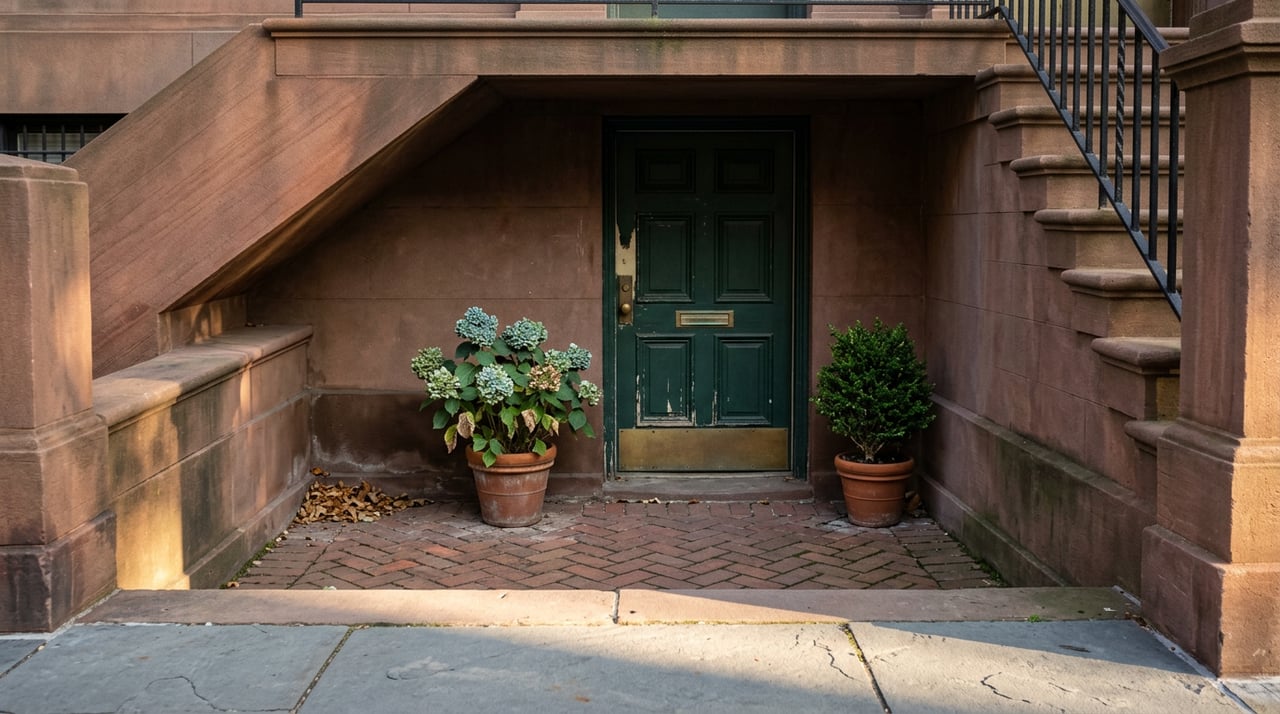
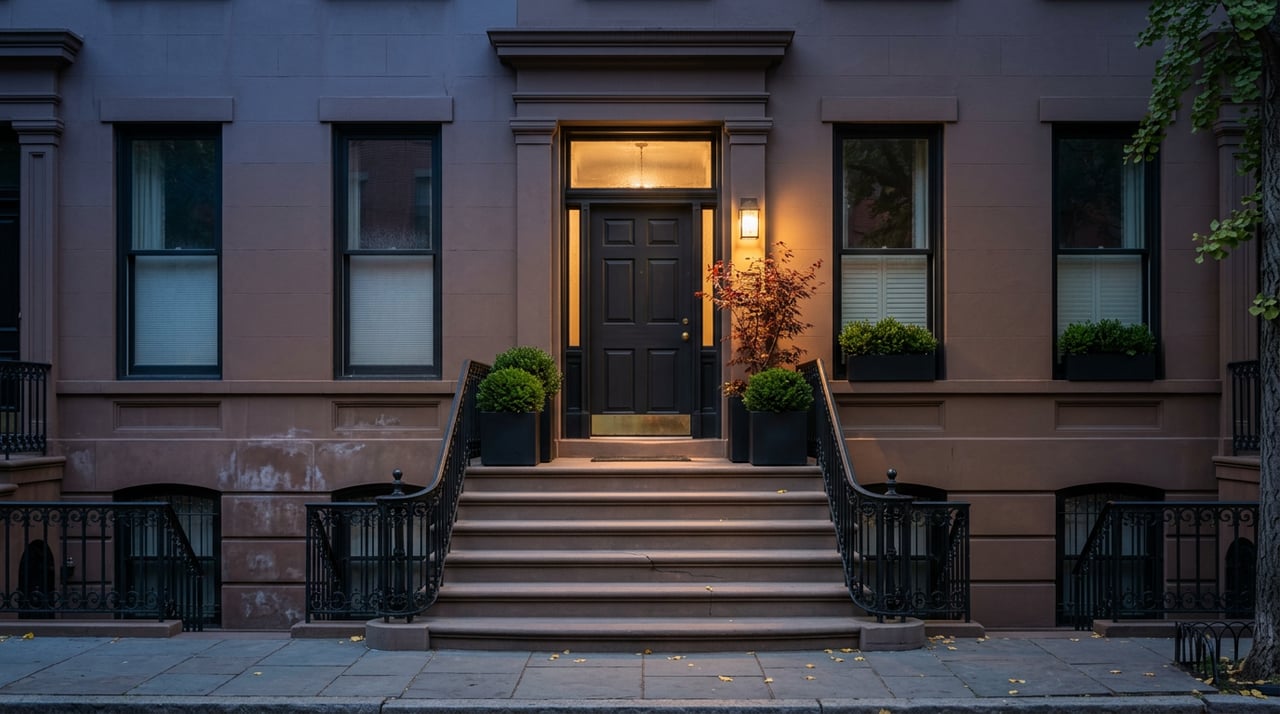
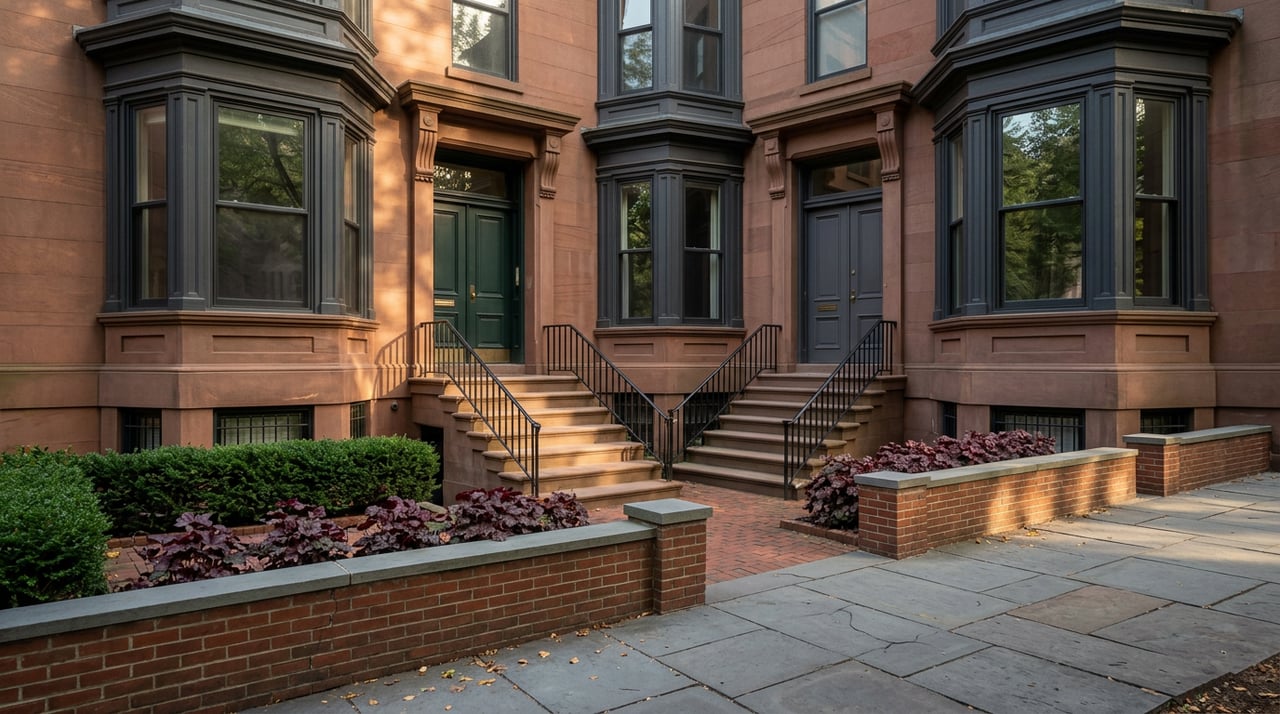
That split is not new. It is baked into the neighborhood's built form. Most of Boerum Hill's housing stock is three-story row houses constructed between 1840 and 1870, the kind of scale that resists a 32,000-square-foot anything. The Boerum Hill Historic District was designated by the New York City Landmarks Preservation Commission on November 20, 1973, after years of advocacy from the Boerum Hill Association, and that designation has kept the interior blocks looking substantially the way they did fifty years ago. Atlantic Avenue sits outside that same gravitational pull. It was always the release valve, the place where bigger and louder things could happen without touching the rowhouse blocks a few doors away.
The restaurant and wellness openings will keep churning, the way they always have. What gives the neighborhood its shape in between is the handful of institutions that have not moved. The Pacific Branch library at 25 Fourth Avenue near Pacific Street opened in 1905 and is Brooklyn's oldest Carnegie library, still running story hours and reading programs a block from where Bathhouse now hosts sauna competitions. Dean Playground, tucked between Nevins and Bond, is still where the basketball games happen. Roulette Intermedium, the experimental music and performance venue on Atlantic Avenue, has been presenting adventurous work since 1978 out of the same 1928 beaux arts building, proof that Atlantic Avenue has room for both a national sauna competition and a 47-year-old avant-garde arts nonprofit within a few blocks of each other.
Boerum Hill's public calendar mirrors the same split. In May, the Atlantic Avenue Art Walk turned the avenue's usual role inside out for nine days, May 9 through 17, with more than 125 artists showing work inside more than 70 participating businesses along the corridor. For that stretch, the street built for scale became a walking gallery instead, proof that Atlantic Avenue can flex either direction when the occasion calls for it.
That flex will happen again on a bigger scale this fall. The Atlantic Avenue Local Development Corporation has confirmed Atlantic Antic, Brooklyn's oldest and largest street festival, for Sunday, September 27, 2026, stretching along Atlantic Avenue through Boerum Hill and its neighbors. The festival has run nearly every year since it started in 1974, and it remains the one day when the avenue's crowd-pulling identity is the entire point.
Set against that, the Boerum Hill Association keeps running its own version of a calendar at a much smaller volume. The group's Hoyt Street Association Plant Sale is its biggest annual fundraiser, and in even-numbered years, which 2026 is, it also organizes a self-guided Boerum Hill House Tour through homes and community gardens, a tradition that began in 1964. The Association's Annual Pot Luck Holiday Party, usually the first Saturday in December, has outgrown a member's living room and now meets at the Belarusian Church at Atlantic Avenue and Bond Street, itself a small landmark of the exact intersection where this year's two biggest openings sit within a few blocks of each other.
A few dates worth having on hand if you live here:
None of this means Boerum Hill is choosing a side. It means the neighborhood has found a way to let Atlantic Avenue do the scaling so the rest of it does not have to. That balance, an avenue built for volume running alongside blocks that have looked the same since before the Civil War, is not something you can read off a listing description. It shows up in the small choices, like where a restaurant decides to put its no-reservations bar, or which street gets picked to host a national competition.
If you are watching how a neighborhood like this holds its shape while its storefronts change hands underneath it, that read comes from paying attention over years, not from a single visit. Brennan Global Properties has spent those years in Boerum Hill and the rest of Brownstone Brooklyn, tracking which blocks absorb change and which ones stay fixed. If you would like to talk through what any of this means for a property you own or are watching in the neighborhood, schedule a private consultation with our team.
Stay up to date on the latest real estate trends.
October 15, 2026
October 8, 2026
October 1, 2026
September 24, 2026
September 17, 2026
September 10, 2026
September 3, 2026
August 27, 2026
August 20, 2026